


 OPmobility Reports Q1 Revenue Dip Amid Automotive Industry Slowdown
  Polymarket Seeks $400M Funding Round, Targets $15B Valuation Amid Prediction Market Boom
  Ethiopian Airlines Expands Fleet with New Boeing 787 Dreamliner Order to Boost Global Routes
  Apple Stock Dips as Tim Cook Steps Down, John Ternus Named Next CEO
  J.P. Morgan Downgrades Essity AB on Rising Costs and Weak Earnings Outlook
  Florida Investigates OpenAI and ChatGPT Over Alleged Role in FSU Shooting
  Huawei Expands Vietnam Presence Through Strategic Partnership with SHB Bank
  Jeff Bezos Eyes $10 Billion Funding Round for AI Venture Project Prometheus
  Amazon Expands AI Bet with Up to $25 Billion Investment in Anthropic
  Rising Jet Fuel Costs from Iran Conflict Push Airfare Higher Across Europe
  SpaceX President Gwynne Shotwell Earns $85.8M as IPO Buzz Grows
  Nvidia Pushes 800V Data Center Power Systems to Boost Efficiency and Cut Costs
  China Food Delivery Stocks Dip as Regulators Crack Down on “Ghost Deliveries”
  LG Innotek Stock Hits Record High on $68M Automotive Wi-Fi 7 Deal
  JAPEX Shares Drop as Middle East Tensions Drive LNG Costs and Production Risks
  How Technology Is Reshaping Modern Business: From Operations to Customer Experience
  Indian Refiners Use Yuan via ICICI Bank to Pay for Iranian Oil Under U.S. Sanctions Waiver


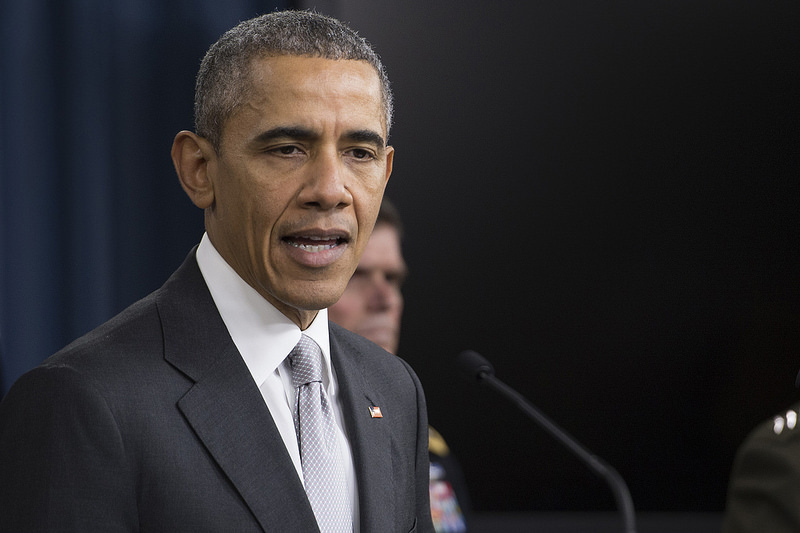
A set of rules that were originally written by the Obama administration has just been blocked, just the night before they would be implemented. The aim of these regulations would have been to keep a closer watch on broadband providers, compared to how websites are currently monitored to uphold personal privacy.
This decision was enforced by Trump administration’s U.S. Federal Communications Commission, with much acclaim from leading internet providers such as Comcast Corp, Verizon Communications and AT&T. All of these companies had been pushing strongly against the new rules since they were first announced.
Ultimately, it will be left up to the Federal Trade Commission and the FCC to agree on a decisive framework that will consistently and thoroughly watch for only privacy. According to the agency, the point of this decision was buying time until the matter is carefully debated. Even though Internet service providers highly praised the decision, consumer advocates are not as thrilled.
According to a statement by Sensa Fitzmaurice (vice president of government communications at Comcast), a lot of time and effort will be required to agree on a new approach that safeguards the best interests of the consumer. The Comcast representative shared the same enthusiasm as the representatives from AT&T and Verizon; she further stated how the recent suspension of the rules laid out by the Obama Administration will provide consumers with around two years of protection while the matter is scrutinized.
A different view was voiced by the vice president at Consumer Reports magazine, Laura MacCleery – who pointed out how she felt this had been a backward first step, with the dissection of privacy protection guidelines that had already been thought out to serve the best interests of the consumers.
The point of the new rules would have been keeping internet service providers to get data from consumers for marketing purposes – including their geographic location, health and financial information, data about children as their entire web browsing history. Consumers would have been allowed the choice to protect their less sensitive data such as e-mail addresses and details of the services used.
According to several speakers, the Consumer Reports was right, since they had consulted the opinions of over 50 thousand users, all of whom had expressly supported the provisional rules by contacting the FCC directly with their written opinions. MacCleery relied on this point to further reinforce her position.
The FCC itself expressed its position clearly through its representatives, including FCC Chair Ajit Pai as well as acting FTC Chair Maureen Ohlhausen, who made a joint statement to express how they would keep working tirelessly to make sure consumers remain consistently protected by a new and comprehensive framework.
Both FCC representatives emphasized how the federal government should stay neutral, taking great care to avoid benefiting a group of companies over the other. It shouldn’t be left up to the consumers to figure out whether their data is secure on a specific scenario, depending on who holds their information. Everyone is concerned about the privacy of the information they share online, so everyone should be protected whenever they happen to use the Internet, regardless of which part they’re using.
Objections to this line of thinking came from FCC Commissioner Mignon Clyburn (who happens to be a Democrat); he who stated the agency shouldn’t act like a police on watch. Instead, the representative thinks the role of the FCC should be making sure that broadband clients can be confident their personal data is safe with their internet service providers.
As early as last October, a group of Republican commissioners that actually included Pai had expressed their concerns about how troubling the new rules were. According to their position at the time, the Obama Administration rule would actually give more power to websites than internet service providers when it came to collecting data. The group expressed concerns at the time over how this would be an unfair decision.
The privacy of the consumers seems to be the main concern of all the organizations involved in the reconsideration of the new rules. However, there is also much at state from a financial standpoint, since client data is much valuable for marketing purposes. Time will tell whether the outcome of this political move will favor the people.







