


 European Allies Seek to Reassure Pentagon as US Reviews Troop Presence
  King Haakon VIII Honors Late Father Harald in First Address
  Itochu Offers $1.56 Billion to Privatize Dentsu Soken
  Salesforce Shares Surge as AI Demand Powers Q2 Earnings Beat
  German Industry Pushes Merz for Tougher China Trade Policy
  HP Stock Drops 9% Despite Q3 Earnings Beat and Raised 2026 Outlook
  OpenAI Data Center Chief Chris Malone Exits Ahead of Planned 2027 Listing
  Jefferies Names AMEC Top China Semiconductor Equipment Pick
  Trump Buys SpaceX Shares After Record IPO
  Iran Condemns New US Sanctions as Hormuz Standoff Deepens
  Tennessee Plans to Rename Nashville Airport After Dolly Parton
  Mojtaba Khamenei’s Absence Fuels Iran Leadership Doubts
  Judge Rejects Minnesota Bid to Force ICE Agent Extradition
  Israeli Airstrike Kills Hamas Operative, Two Others in West Bank
  Nvidia Reportedly Eyes $13 Billion Hugging Face Acquisition
  Ecuador Court Convicts Ex-President Lenin Moreno in Bribery Case
  Countries Tighten Social Media Bans for Children


 Add as a preferred source on Google
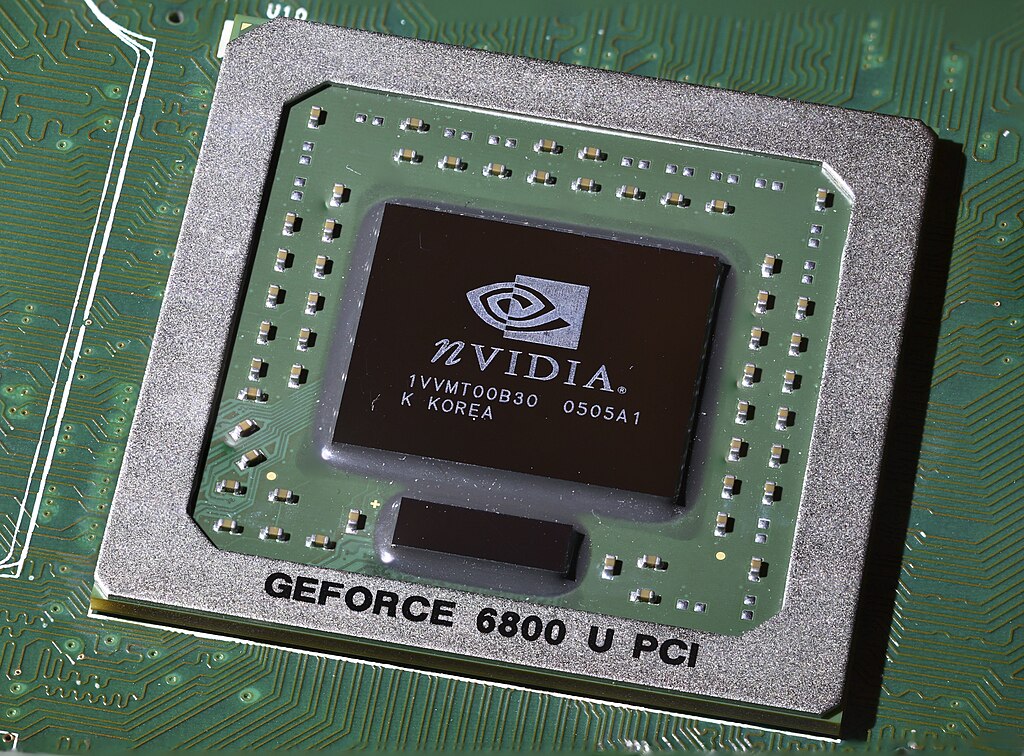
A multibillion-dollar deal between Nvidia Corporation (NASDAQ: NVDA) and the United Arab Emirates to supply advanced artificial intelligence chips remains on hold nearly five months after its announcement, according to a Wall Street Journal report.
The agreement, once seen as a landmark step in strengthening U.S. technology exports, has failed to move forward. In May, the UAE pledged to invest heavily in the United States in exchange for access to several hundred thousand Nvidia AI chips each year. However, no investment has yet been made, leaving the deal in limbo.
Commerce Secretary Howard Lutnick currently holds the key to the deal. His approval is required not only for the UAE’s proposed investments in the U.S. but also for the export of Nvidia’s chips to the Gulf nation. According to the report, Lutnick has pressed the UAE to finalize its U.S. commitments before any chip shipments are approved, creating a bottleneck that has delayed progress.
National security concerns have further complicated the situation. U.S. officials remain cautious given the UAE’s close economic ties with China, a country facing tighter restrictions on access to advanced AI technology. Nvidia’s overseas sales have already come under scrutiny as Washington attempts to regulate the flow of what it considers strategic technology.
Inside Nvidia, frustration is reportedly mounting. CEO Jensen Huang and other executives have expressed dissatisfaction with the delays, and some White House officials, along with members of the Trump administration, have also criticized Lutnick’s hardline stance. The chipmaker is simultaneously dealing with challenges in China, where the government has encouraged domestic companies to avoid foreign-made AI chips.
The stalled UAE deal underscores the broader struggle U.S. tech companies face: balancing lucrative international opportunities with geopolitical risks and regulatory barriers. For Nvidia, one of the world’s most valuable semiconductor companies, the delay highlights the uncertainty surrounding global AI chip supply at a time of soaring demand.







