


 Japan’s Yen Intervention and BOJ Rate Hike Bets Support Currency Recovery
  S&P 500, Nasdaq Hit Record Highs as AI Stocks Rally and Strong Jobs Data Boost Confidence
  Malaysia Unveils Energy Security Plan Amid Iran Conflict and Rising Oil Costs
  Wall Street Hits Record High as AI Chip Stocks and Strong U.S. Jobs Data Boost Markets
  China Car Sales Drop Again as EV Export Growth Surges in April
  Dollar Slips as Strong U.S. Jobs Data Reduces Fed Rate Cut Expectations
  Gold Prices Rise as Weaker Dollar and Iran Ceasefire Hopes Boost Safe-Haven Demand
  KOSPI Hits Record High as AI Chip Demand Boosts Samsung and SK Hynix
  European Stocks Fall as US-Iran Conflict Rekindles Energy Supply Fears
  US Stock Futures Slip as Trump Rejects Iran Peace Proposal Amid Rising Middle East Tensions
  Gold Prices Slip as Strong Dollar and Rising Oil Weigh on Market Sentiment
  Asian Currencies Slip as US Dollar Gains on Rising Iran Tensions and Awaited Jobs Data
  China Export Growth Surges in April as Global Buyers Rush to Secure Supplies
  Dollar Rises as Strait of Hormuz Crisis Pushes Oil Prices Higher
  U.S.-China Beef Trade Deal Hopes Rise Ahead of Trump-Xi Summit
  Asian Currencies Slide as Iran Tensions Boost Dollar and Oil Prices


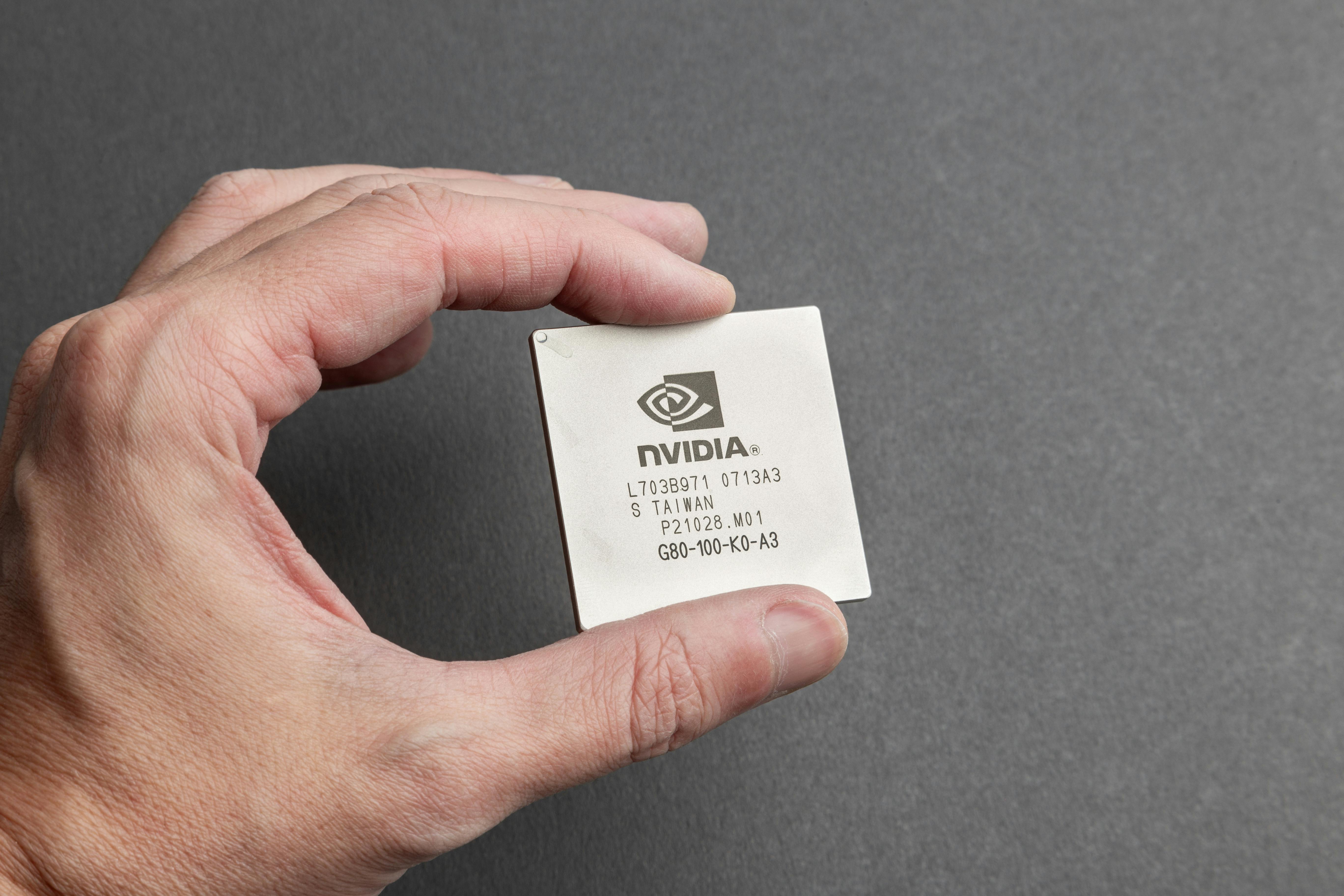
Nvidia Corporation (NASDAQ) saw its shares fall on Friday after reports emerged that Chinese regulators are encouraging local companies to buy artificial intelligence (AI) chips made in China rather than those produced by Nvidia, according to sources cited by Bloomberg.
The chipmaker's stock dropped about 3% in recent trading, as the report highlighted Beijing’s push to bolster its domestic semiconductor industry and reduce dependence on U.S. technology amid ongoing trade tensions.
Regulators Discourage Nvidia Chip Purchases
Chinese authorities are reportedly discouraging companies from purchasing Nvidia’s A800 and H800 chips, which are designed for developing and deploying AI models, sources familiar with the matter told Bloomberg. The move is part of China's effort to accelerate its semiconductor capabilities and cushion the impact of U.S. export restrictions on advanced technology.
Guidance, Not a Ban
The new policy is not an outright ban on Nvidia's chips, according to the sources. Instead, it is framed as guidance to promote domestic semiconductor solutions. Chinese regulators aim to support local AI startups without imposing strict prohibitions or exacerbating geopolitical tensions with the U.S.
By encouraging domestic companies to buy locally-made AI chips, Chinese officials hope to strengthen the country’s technology sector and reduce reliance on foreign suppliers. At the same time, they are cautious about impeding the growth of the burgeoning AI industry in China or igniting further conflict with U.S. policymakers.
No Comment from Nvidia or Chinese Ministries
Nvidia declined to comment when approached by Bloomberg. Additionally, China’s Ministry of Commerce, Ministry of Information and Technology, and Cyberspace Administration did not respond to Bloomberg's faxed requests for comment.
The reported shift in China's semiconductor policy comes as the global chip industry faces increasing scrutiny amid heightened U.S.-China trade tensions. Washington has imposed restrictions on advanced chip exports to China, which have affected American semiconductor companies such as Nvidia.
China's Push for Self-Reliance in Technology
China has been ramping up its efforts to develop its semiconductor industry in recent years, aiming to achieve self-reliance in key technologies, including AI chips. This move aligns with Beijing’s broader goal of reducing dependence on U.S. technology amid rising concerns over supply chain vulnerabilities and national security.
Nvidia, a leading provider of AI chips worldwide, has been impacted by these tensions and policies as the global semiconductor landscape continues to shift.







