


 The Realist’s Case: Lukas Kerrebijn of RD Dubai on the Narrative Dubai’s Agents Won’t Question
  OpenAI AI Agent Swarm Behind Hugging Face Hack
  Nvidia Options Price in $280 Billion Earnings Swing
  Pinterest Stock Falls as CFO Julia Brau Donnelly Resigns
  BofA Names ASML Top Semiconductor Equipment Pick on Growth, Valuation
  SoftBank Eyes $20 Billion Bond Sale to Refinance OpenAI Loan
  Countries Tighten Social Media Bans for Children
  HP Stock Drops 9% Despite Q3 Earnings Beat and Raised 2026 Outlook
  Nvidia Reportedly Eyes $13 Billion Hugging Face Acquisition
  New Zealand Moves to Ban Social Media for Children Under 16
  U.S. Probes Apex Logistics Over Nvidia AI Chip Shipments to China
  Toyota Global Sales Fall as China Demand Slumps
  Street Poller Media and The Boom of the Street Interview Ad Industry
  Meta, U.S. States Discuss Settlement in Teen Addiction Trial
  Nvidia Pauses AI Cloud Financing Deals Amid Antitrust Concerns


 Add as a preferred source on Google
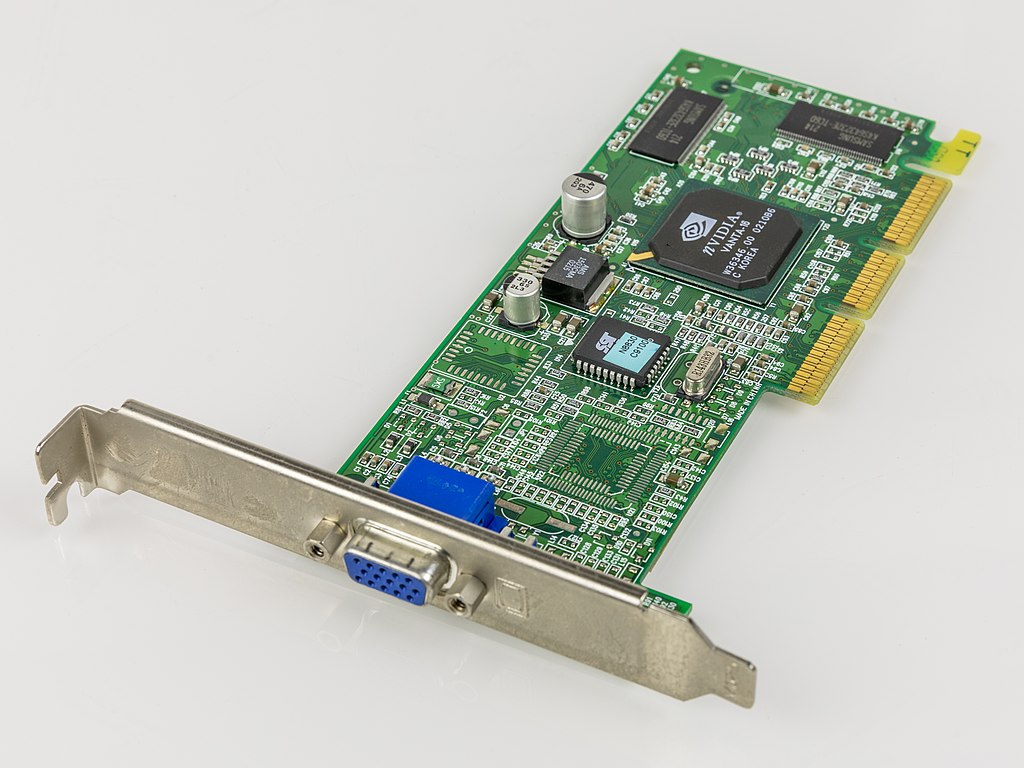
Nvidia (NASDAQ: NVDA) is expected to face increased regulatory scrutiny under a forthcoming U.S. bill that would enhance tracking of its artificial intelligence (AI) chips after they are sold, according to a report by Reuters. The legislation, spearheaded by Representative Bill Foster (D-Illinois), aims to ensure compliance with U.S. export controls, particularly in preventing advanced AI chips from reaching China.
The proposed bill will mandate U.S. regulators to implement a chip-tracking system and develop technologies that restrict AI chips from functioning if they violate export restrictions. The initiative targets not only direct sales but also aims to curb smuggling of Nvidia's high-performance chips into China.
Nvidia’s GPUs are critical to the development and deployment of advanced AI applications, including generative AI and machine learning. While the company was previously allowed to sell downgraded versions of its AI chips in China, tighter restrictions introduced under the Trump administration have further limited its access to the Chinese market.
The bipartisan measure is expected to gain broad support, with Democrats already backing the bill and Republicans likely to follow once it is formally introduced. The legislation builds on ongoing efforts by the U.S. government to prevent sensitive AI technologies from empowering geopolitical rivals.
This move could have significant implications for Nvidia’s international business, particularly in Asia, and reflects Washington’s intensifying focus on safeguarding AI innovation and semiconductor dominance. As AI adoption accelerates globally, regulators are seeking new mechanisms to enforce compliance and maintain national security.
Nvidia has not commented on the proposed legislation, but industry analysts suggest such regulatory steps could reshape global chip supply chains and impact the competitive landscape in the AI hardware sector.







