


 SpaceX Mobile Network Could Cost Up to $130 Billion, Bernstein Says
  Meta Agrees to $18 Billion Settlement, Tightens Teen Social Media Rules
  Lenovo Shares Fall After Dropbox Security Breach Exposes ID Vulnerability
  U.S. Probes Apex Logistics Over Nvidia AI Chip Shipments to China
  Google Changes EU Spam Policy Amid Antitrust Scrutiny
  Apple’s Phil Schiller Steps Back as Leadership Shake-Up Accelerates
  PayPal Shares Sink as $50 Billion Takeover Bid Collapses
  South Korea Unveils Record $597 Billion 2027 Budget to Boost AI and Chips
  BofA Names ASML Top Semiconductor Equipment Pick on Growth, Valuation
  MongoDB Stock Sinks 14% as Atlas Growth Misses Expectations
  OpenAI Data Center Chief Chris Malone Exits Ahead of Planned 2027 Listing
  Pinterest Stock Falls as CFO Julia Brau Donnelly Resigns
  Thomson Reuters C-Track Cyberattack Hits Courts Across U.S. and Canada
  U.S. Disrupts China-Linked Hacking Campaign Targeting Government Agencies


 Add as a preferred source on Google
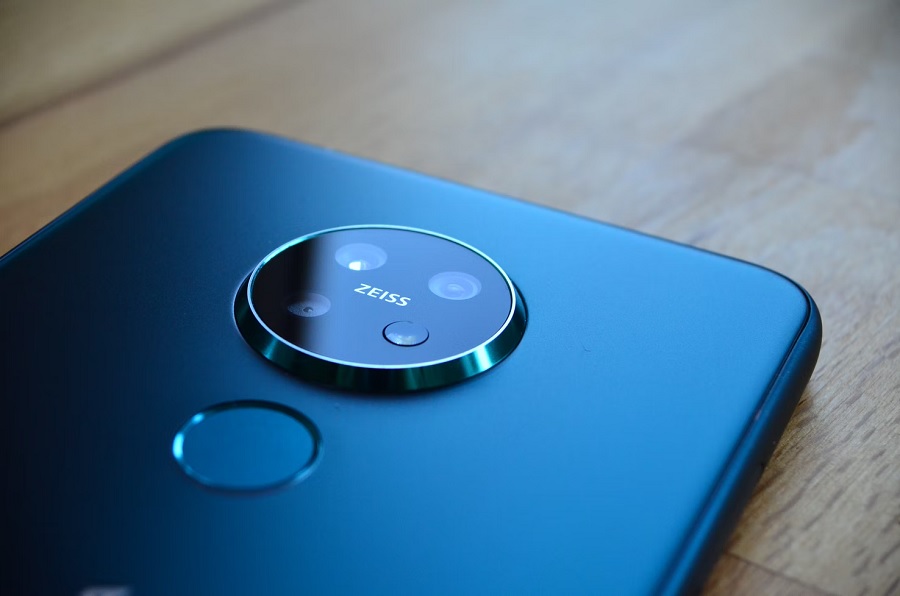
HMD Global, the company behind the Nokia-branded smartphones, confirmed that it has no plans to release flagship-caliber phones at the moment. That means tech fans will likely see more mid and low-range devices from the company in the foreseeable future.
The Mobile World Congress is often one of the events where companies announce their new high-end products. For this year, Nokia announced new products for the C-series at the MWC. It is clear from the phones’ technical specifications that they are not designed to rival Samsung’s S22 lineup or other flagship-level phones in the market.
Some tech enthusiasts might not be surprised by the move, though, because it has been a while since HMD Global unveiled a Nokia-branded phone with premium features and specs. It turns out that this has been the company’s strategy. “Making an $800 phone doesn’t make sense for us at the moment,” Adam Ferguson, HMD Global’s head of product marketing, told Android Authority.
This only confirms what many have already speculated since HMD Global has had more budget and mid-range phones released in the last couple of years, especially after Nokia 9 PureView entered the market. Ferguson told the same publication that HMD Global is currently not interested in “a massive spec war with other players.”
Nokiamob noted in a report last month, citing data from Counterpoint Research, that Q4 2021 was HMD Global’s best quarter since Q3 2019 after it shipped 3.2 million Nokia smartphones and 11.2 million feature phones. In retrospect, the improvement appears to be related to the company’s shift to focus on affordable and mid-range phones.
HMD Global unveiled the Nokia C21, Nokia C21 Plus, and Nokia C2 2nd Edition at the MWC. And the company’s official statements and promo materials for the devices all but confirm its strategy by promising to provide good quality budget phones. In this press release, HMD Global hailed the C21 lineup as an “economical” option with “even more improved experiences.” The company promised the new phones would get two years of security updates with “all-day battery life” while not raising the prices.







