


 U.S.-India Trade Framework Signals Major Shift in Tariffs, Energy, and Supply Chains
  Ohio Man Indicted for Alleged Threat Against Vice President JD Vance, Faces Additional Federal Charges
  China Warns US Arms Sales to Taiwan Could Disrupt Trump’s Planned Visit
  Trump Signs “America First Arms Transfer Strategy” to Prioritize U.S. Weapons Sales
  U.S. Lawmakers to Review Unredacted Jeffrey Epstein DOJ Files Starting Monday
  Jack Lang Resigns as Head of Arab World Institute Amid Epstein Controversy
  Iran–U.S. Nuclear Talks in Oman Face Major Hurdles Amid Rising Regional Tensions
  Trump Allows Commercial Fishing in Protected New England Waters
  Pentagon Ends Military Education Programs With Harvard University
  Trump Allegedly Sought Airport, Penn Station Renaming in Exchange for Hudson River Tunnel Funding
  TrumpRx Website Launches to Offer Discounted Prescription Drugs for Cash-Paying Americans
  Netanyahu to Meet Trump in Washington as Iran Nuclear Talks Intensify
  South Korea Assures U.S. on Trade Deal Commitments Amid Tariff Concerns
  Japan Election 2026: Sanae Takaichi Poised for Landslide Win Despite Record Snowfall
  U.S. to Begin Paying UN Dues as Financial Crisis Spurs Push for Reforms
  New York Legalizes Medical Aid in Dying for Terminally Ill Patients
  TrumpRx.gov Highlights GLP-1 Drug Discounts but Offers Limited Savings for Most Americans


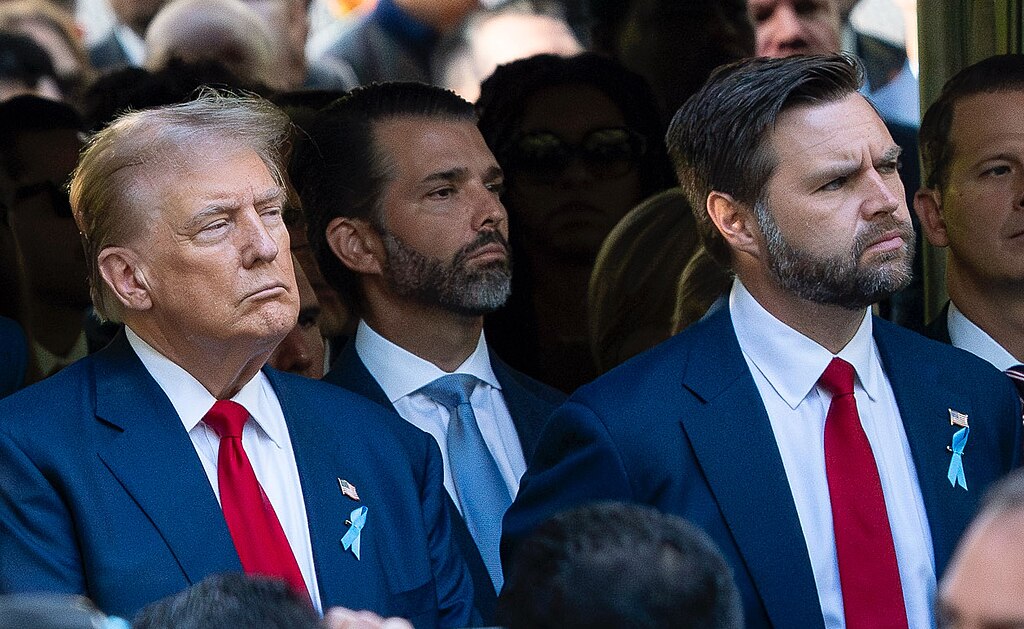
In a controversial statement during a recent interview, former President Donald Trump compared the treatment of the January 6 protesters still behind bars to the internment of over 120,000 Japanese Americans during World War II. Trump's remarks have sparked a wave of reactions as he continues to defend those who participated in the Capitol riot.
Trump Defends Jan. 6 Protesters
While discussing the ongoing legal battles surrounding individuals involved in the January 6 Capitol insurrection, Trump questioned why so many protesters remain jailed. “Why are they still being held? Nobody’s ever been treated like this,” he exclaimed, drawing a parallel between their imprisonment and the internment of Japanese Americans during WWII.
The former president’s statement referenced one of the darkest periods in U.S. history, when Japanese Americans were forcibly removed from their homes and placed in internment camps during the war. Trump’s comparison between that chapter of history and the ongoing detention of January 6 protesters has stirred controversy, with critics accusing him of minimizing the gravity of both events.
Controversy Over the Comparison
Trump’s remarks have ignited a fierce debate. His supporters argue that the former president is highlighting a double standard in the justice system, where the January 6 protesters—whom many view as political prisoners—are being treated more harshly than others involved in violent protests. Meanwhile, Trump’s critics have accused him of attempting to rewrite history by likening a violent attack on the U.S. Capitol to the wrongful imprisonment of innocent Japanese Americans during WWII.
“Trump’s remarks are dangerous and inflammatory,” said one political analyst. “He’s equating an act of insurrection with the systemic persecution of an entire community based solely on their race.”
Civil rights organizations also condemned Trump’s statement, with some saying it downplays the atrocities of Japanese American internment and the broader historical significance of that event. “The internment of Japanese Americans during World War II was a racial injustice,” said a spokesperson for a civil rights group. “To compare it to the lawful prosecution of individuals who participated in an attack on democracy is both inappropriate and offensive.”
Ongoing Legal Battles for Jan. 6 Protesters
More than 1,000 individuals have been charged for their involvement in the January 6 riot, with hundreds already receiving prison sentences. Some protesters remain in custody as they await trial or sentencing, and many argue that they are being held under excessively harsh conditions. Trump has consistently advocated for those who participated in the riot, describing them as patriots who were expressing their frustration over what they believe was a stolen election.
The former president’s comments come as the legal system continues to process cases related to the insurrection, and as the political battle over the events of that day rages on. For Trump, the defense of these individuals remains a key talking point as he prepares for a potential 2024 presidential run.
Conclusion
As Trump continues to draw attention to the treatment of January 6 protesters, his controversial comparison to the WWII internment of Japanese Americans has added fuel to an already polarizing national conversation. While his supporters see this as a defense of free speech and political expression, his detractors view it as an alarming distortion of history.













