


 The pandemic is still disrupting young people’s careers
  Time to buy local: war fuel price shocks reveal the folly of a long food supply chain
  The ghost of Robodebt – Federal Court rules billions of dollars in welfare debts must be recalculated
  OpenAI Pulls the Plug on Sora, Ending $1 Billion Disney Partnership
  Australia's Inflation Eases in February but Core Pressures Persist
  Sonova Shares Slip as Hearing Aid Giant Lowers Growth Outlook and Plans Sennheiser Exit
  Britain has almost 1 million young people not in work or education – here’s what evidence shows can change that
  Every generation thinks they had it the toughest, but for Gen Z, they’re probably right
  Oil Prices Climb as Iran Reviews U.S. Peace Proposal Amid Middle East Tensions
  Finnair Orders 18 Embraer E195-E2 Jets in Landmark Fleet Overhaul
  Middle East War Rattles Global Markets as Oil Tops $100 and Dollar Surges
  WTO Reform Talks Begin in Cameroon Amid Global Trade Tensions
  Japan Eyes Oil Futures Intervention to Stabilize Yen Amid Middle East Crisis
  Valero Port Arthur Refinery Explosion Prompts $1M Lawsuit Over Worker Safety Negligence
  Lynas Rare Earths Signs Vietnam Deal with LS Eco Energy to Boost Magnet Metal Production
  Bank of Japan Eyes April Rate Hike Despite Inflation Dip, ING Says


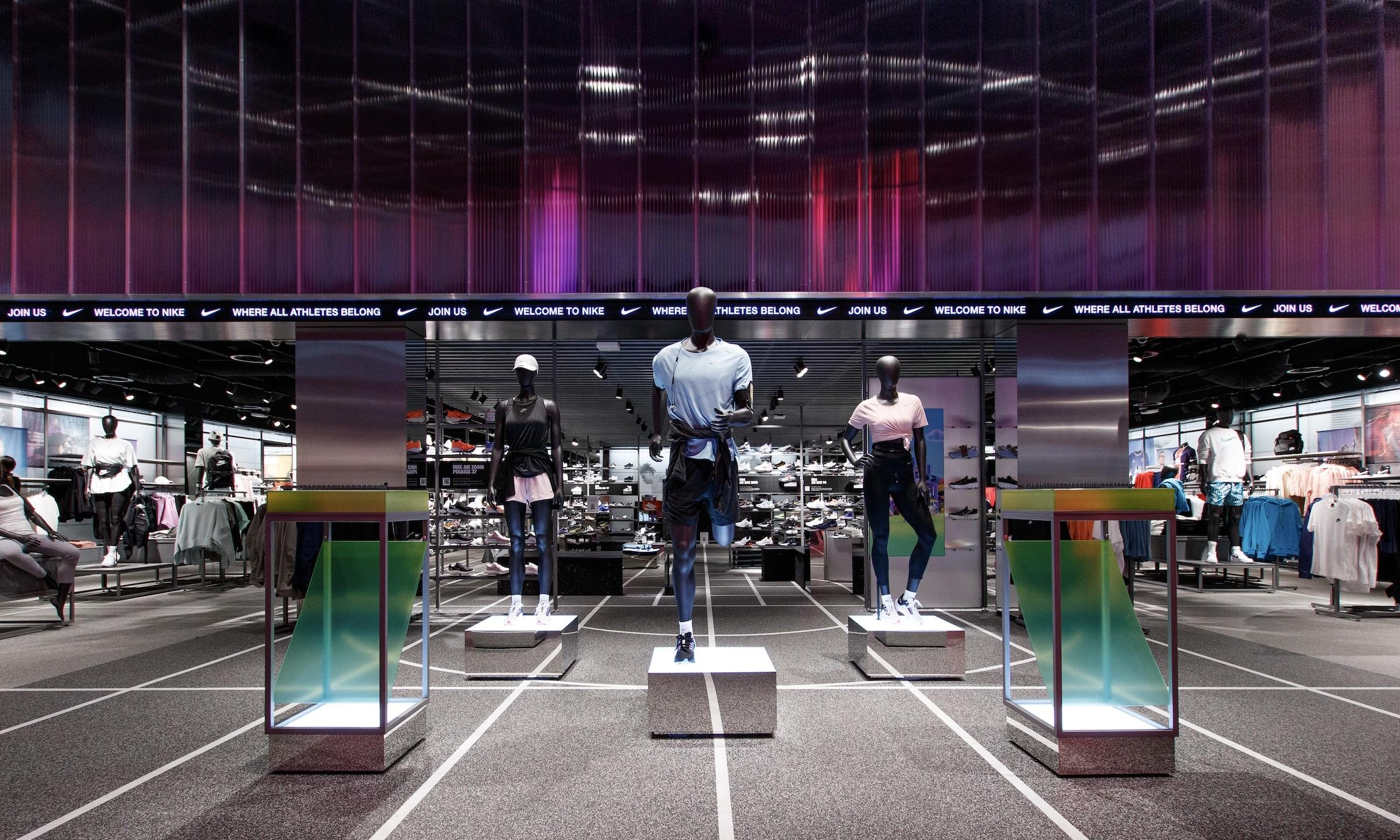
Nike's decision to indefinitely close its Portland factory store amid theft and safety concerns has rocked the community. Having been temporarily closed since last November, the move marks a significant economic setback for the area. Nike remains committed to Portland, seeking ways to support and revitalize the neighborhood.
The Soul District Business Association (SBDA), representing the local business community, confirmed Nike's decision in a phone conversation with the organization's leaders. The SBDA described the closure as a significant blow to the neighborhood's economy, further adding to the collective disappointment.
The news left many in the district in disbelief. Since November of last year, when the store quietly closed its doors, the community had been grappling with anticipation, hoping for a resolution from Nike, city officials, and community leaders. Sadly, it appears that this battle has come to an end.
Addressing the development, John Washington, the SDBA's executive director, stated, "We had been holding our breath, but it looks like it's game over." The closure highlights the ongoing challenges businesses face after the pandemic and protests. The community's resilience was tested, but hopes for a triumphant outcome have faded.
Responding to inquiries, Nike expressed deep concern for Portland's North and Northeast communities. The company emphasized its enduring commitment to the area and its nearly four-decade-long presence.
Nike has driven community change through volunteerism, investments, and partnerships with non-profit organizations that benefit the neighborhood. As the brand looks ahead, it aims to reimagine its retail space and contribute to the long-term revitalization plans of the community.
The location's closure at 2650 NE Martin Luther King Jr. Boulevard marks the beginning of a new, exciting chapter for Nike. The company pledges to engage local community organizations and leaders in determining the most suitable new location.
Earlier reports revealed that Nike had considered bolstering security measures at the store by offering to pay for off-duty police officers. However, this proposal did not materialize due to concerns surrounding officer staffing shortages in a city that recently made headlines for reallocating funds from its police force.
Photo: Craig Lovelidge/Unsplash







