


 Trump Taps Dennis Rodman as Kim Jong Un Outreach Continues
  US Waives Egypt Military Aid Conditions Over Iran War Role
  OPEC+ Keeps November Oil Output Targets Steady
  California Woman Arrested Over Alleged Spying on Taiwan President’s Son
  Lula Leads Flavio Bolsonaro 48%-45% in Datafolha Poll
  Trump Heads to Ohio to Boost Husted in Tight Senate Race
  Paraguay Opposition Wins Key Mayor Races in Blow to Colorado Party
  Merz to Meet ECB Frontrunners Knot and De Cos
  Yemen Launches Major Offensive to Retake Houthi-Held Areas
  Xi Rest Breaks Cut Trump Summit Schedule, WSJ Reports
  Flydubai FZ1073 Co-Pilot Accused of Terror Attack
  South Korea Warns Ukraine Over North Korean POW Dispute
  Iran Plans Stronger Response if US Attacks Resume
  Japan Protests to US After Marine Arrested in Okinawa Murder Case


 Add as a preferred source on Google
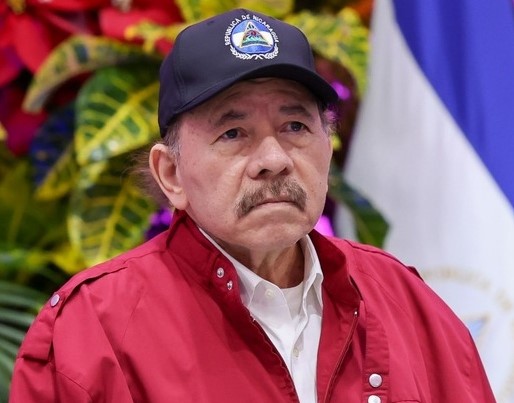
Nicaragua is withdrawing from the Central American Parliament, deepening the country's international isolation as President Daniel Ortega's government faces continued criticism over alleged human rights abuses and restrictions on political freedoms.
Nicaragua's Foreign Ministry announced the decision on Saturday, saying the government had chosen to denounce the 1987 treaty that established the six-country regional parliament. Officials said the withdrawal was made "in the full exercise of its sovereignty" and would take effect immediately.
The Nicaraguan government did not immediately provide additional comments on the decision.
The move came one day after the Organization of American States adopted a resolution calling on Nicaraguan authorities to release political prisoners and restore civil liberties. Nicaragua formally withdrew from the OAS in 2023, accusing the regional diplomatic organization of serving as an instrument of U.S. intervention.
Nicaragua has also distanced itself from other international institutions amid growing scrutiny of its human rights record. In 2025, the government announced plans to withdraw from the United Nations Human Rights Council after a UN report urged the international community to respond to alleged human rights violations in the country.
The latest withdrawal adds to Nicaragua's political and diplomatic isolation following years of tensions with international organizations and foreign governments.
Nicaragua's political crisis dates back to April 2018, when widespread social protests were met with a government crackdown. More than 350 people were killed and about 2,000 were injured, while thousands were detained or fled the country during the unrest.
Political restrictions have continued under Ortega and his wife, Rosario Murillo. In July, their government announced that Nicaragua would no longer hold elections, marking another major shift in the country's political system.
Ortega has remained continuously in power since returning to the presidency in 2007. He had previously served as Nicaragua's president during the 1980s.
The withdrawal from the Central American Parliament now represents another significant break between Nicaragua and regional institutions as international pressure over political prisoners, civil liberties and human rights continues.







