


 Israel Tightens Pilot Security After Flydubai Incident
  Trump Heads to Ohio to Boost Husted in Tight Senate Race
  US Waives Egypt Military Aid Conditions Over Iran War Role
  Marco Rubio to Visit Iceland, Greece and Portugal
  Iran Faces Rising Pressure as U.S. Builds Military Presence
  Trump Says Iran War Could End Soon After Midterms
  US Waives $320M Egypt Military Aid Conditions After Iran War Role
  Israeli Settler Attack in West Bank Kills Palestinian
  G20 Divided Over US Push to Curb Industrial Overcapacity
  Xi Rest Breaks Cut Trump Summit Schedule, WSJ Reports
  Tsai Ing-wen to Visit US for Stanford Security Conference
  Lula Leads Flavio Bolsonaro 48%-45% in Datafolha Poll
  South Korea Warns Ukraine Over North Korean POW Dispute
  Brazil Presidential Debate Canceled as Lula, Bolsonaro Skip Event
  Russia Strikes Kyiv Bridge as Ukraine Infrastructure Attacks Escalate


 Add as a preferred source on Google
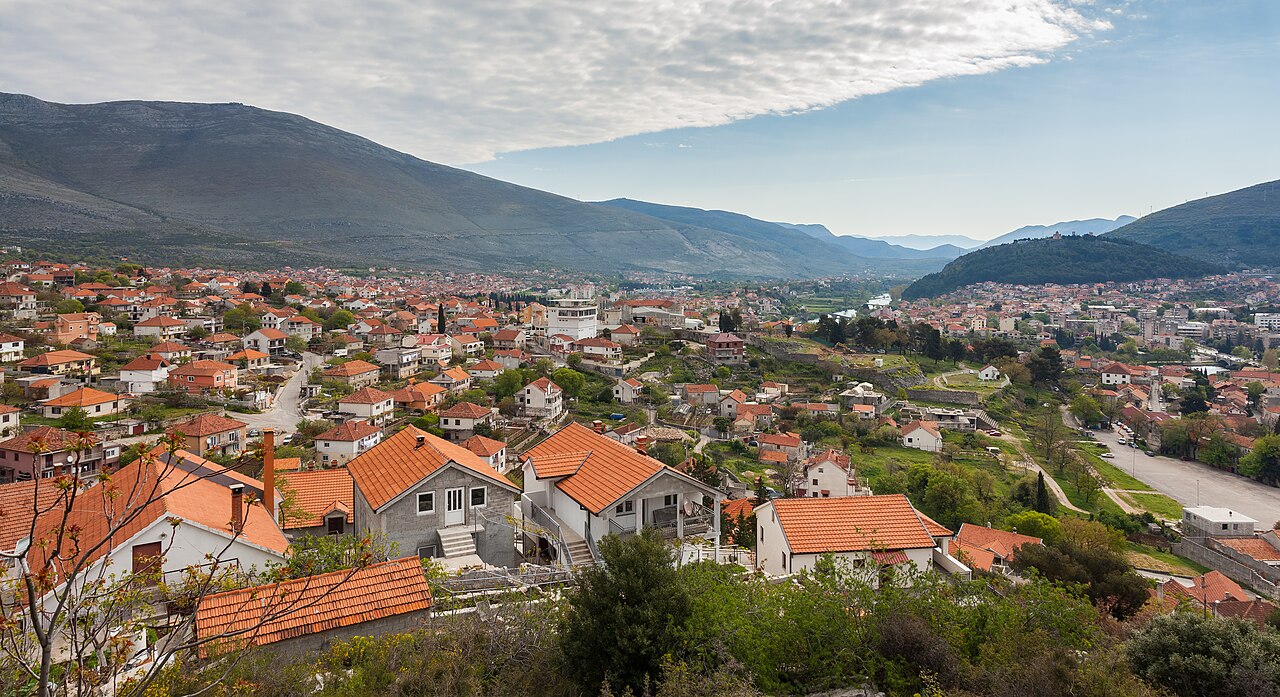
Bosnians voted Sunday in national and regional elections that could shape the country’s European Union membership ambitions and the influence of the United States and Russia in the Balkan nation.
Voters are choosing members of Bosnia’s tripartite presidency and national parliament, along with lawmakers in its two federal entities. Some polling stations temporarily closed because of electronic voting problems, according to Central Election Commission head Jovan Kalaba. Authorities introduced redesigned ballots, biometric voter identification and electronic scanners to reduce election fraud.
Bosnia received EU candidate status in December 2022 and approval to begin accession negotiations in 2024. However, formal talks have yet to start because political leaders have not completed key reforms, including stronger judicial oversight and anti-corruption legislation.
Political divisions remain rooted in the aftermath of the 1992-1995 Bosnian war. The U.S.-brokered Dayton peace agreement divided Bosnia into the Serb-dominated Republika Srpska and the Bosniak-Croat Federation, connected through a central government and three-member presidency.
Sunday’s election pits major ethnic parties, including the Bosniak SDA, Serb SNSD and Croat HDZ BiH, against multi-ethnic opposition groups led by the Social Democratic Party.
Polling tracker Poliwave showed the SDA leading nationally with 21.4%, ahead of the SDP at 16.7%. In Republika Srpska, Milorad Dodik’s SNSD led with 34.2%. Dodik has advocated closer relations with Serbia and Russia while frequently clashing with authorities in Sarajevo.
Turnout reached 11.94% by 11 a.m., compared with roughly 15% at the same point in the 2022 election.
The outcome could also affect geopolitical competition over Bosnia. The EU wants to expand further into the Balkans, while Russia maintains close ties with Republika Srpska. Washington, meanwhile, has promoted a $1.5 billion pipeline designed to bring U.S. liquefied natural gas into Bosnia, although the EU has raised concerns about transparency surrounding the project.
Preliminary election results are expected after polls close at 7 p.m. local time.







