


 Asian Stocks Fall as Bond Yields and Oil Prices Surge
  Gold Plunges 4% as Treasury Yields Surge and Fed Rate Hike Bets Rise
  Fed Unveils Stablecoin Rules Under GENIUS Act
  Oil Prices Steady as Middle East Crude Flows Recover
  Yen in Focus as BOJ, Fed Rate Hikes Reshape Currency Markets
  Fed Unveils Stablecoin Rules Under GENIUS Act
  Oil Prices Slide as Middle East Flows Recover
  US Stocks Slip as Treasury Yields Ease, AI Trade Rebounds
  BOJ Signals Faster Rate Hikes as Inflation Risks Grow
  Australia Trade Surplus Shrinks Sharply as Imports Surge
  Japanese Yen Retreats as Dollar Rises Ahead of Fed, BOJ Rate Decisions
  RBA Hikes Interest Rate to 4.60% as Inflation Risks Rise
  US Dollar Hits Two-Month High as Aussie, Pound Slide
  Dollar Hits Three-Month High as US Treasury Yields Surge


 Add as a preferred source on Google
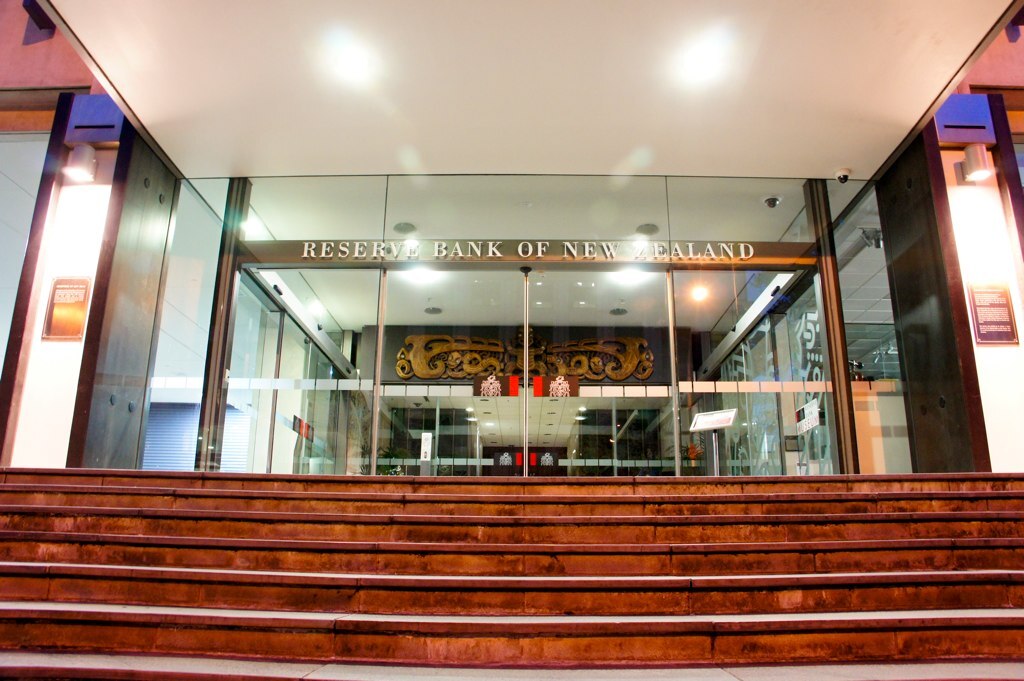
The Reserve Bank of New Zealand (RBNZ) announced it will review its bank capital requirements in 2025 following criticism that its stringent policies are stifling competition and economic growth. Acting Governor Christian Hawkesby told a parliamentary committee that while some concerns are unfounded, many can be tested with data.
Critics, including politicians and participants in a parliamentary inquiry, argue that the high capital requirements have increased borrowing costs and reduced available capital in the economy. Currently, large banks in New Zealand must maintain a minimum capital ratio of 13.5%, while smaller banks are required to hold 11.5%. These requirements were introduced in 2019 and will not be fully implemented until 2028.
Finance Minister Nicola Willis welcomed the RBNZ’s decision, stating that the review could determine whether the current capital strategy aligns with international standards. She noted that other countries, including the U.S. Federal Reserve, have recently eased capital rules, and New Zealand may be becoming an outlier.
Willis emphasized the need for a balanced approach that maintains financial stability while promoting investment, job creation, and income growth. New Zealand’s economy recently exited a recession in Q4 2024 but remains fragile, with rising unemployment expected in the first half of 2025.
RBNZ Chair Neil Quigley stressed that any regulatory changes must be based on thorough analysis and not made arbitrarily. He also confirmed the central bank is seeking a new governor following Adrian Orr’s unexpected departure and expects the appointment process to take up to nine months.
The review comes at a critical time as New Zealand weighs financial stability against the need for economic stimulus and competitive banking practices.







