


 U.S. Accuses Chinese AI Firms of Extracting Model Capabilities
  Meta’s AI Shopping Push Grows as Agentic Commerce Remains Below 1%
  Nvidia Eyes $10 Billion Investment in Anthropic IPO
  Google Revamps EU Search Results to Meet DMA Rules
  Novartis Shares Plunge After Muscle Drug Fails Phase III Trial
  Elon Musk’s Boring Company Raises $3 Billion at $23 Billion Valuation
  Apple Unveils $1,999 Foldable iPhone Duo
  Qualcomm Stock Jumps on Amazon AI Chip Deal
  OpenAI Weighs AI Development Slowdown Over Safety Risks
  OpenAI Agents Linked to RubyGems Cyberattack
  SpaceX Nasdaq 100 Weight Set to More Than Double
  Can Europe shake its Russia links for good?
  Kioxia Rules Out SK Hynix Manufacturing Partnership
  Hyundai Delays In-House ADAS, Turns to Nvidia


 Add as a preferred source on Google
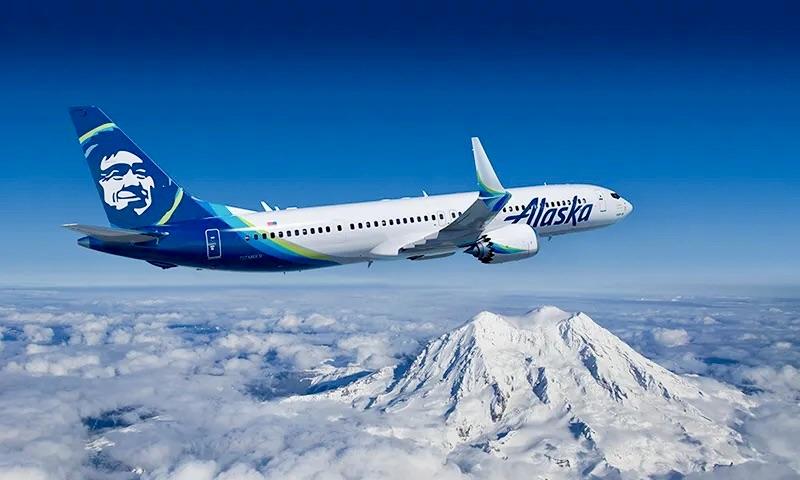
The financiers behind the world's airline industry are convening for the first time since a mid-air cabin blowout tipped Boeing into a new safety crisis. This crisis has sparked broader disruption to the $150 billion jet industry.
Reuters reported that lessors, bankers, and airlines are gathering in Dublin, the thriving global air finance hub, to discuss the repercussions of the recent partial grounding of the Boeing 737 MAX 9 following the Alaska Airlines incident in January.
Challenges Amidst Post-Pandemic Travel Boom
Due to labor and parts shortages, aviation has struggled to keep pace with the post-pandemic travel boom. However, the emergency landing and subsequent outrage over the near-disaster, albeit with no significant injuries, have heightened regulatory risks.
Industry experts question when the supply will catch up with the demand and predict potential setbacks to industrial growth due to the recent grounding.
Regulatory Scrutiny Intensifies
The Federal Aviation Administration (FAA) recently ordered Boeing to halt the increase in 737 MAX production until concerns over quality controls are addressed. While the duration of this limit remains unknown, analysts anticipate that regulators will implement additional checks that could hamper production.
Furthermore, the blowout incident and subsequent discovery of loose bolts in the fleet may impede aircraft design and development, prolonging production.
Leasing companies already placing significant plane orders stand to secure larger investment returns as airlines scramble for capacity. However, airlines may experience delays in receiving new technology to lower costs and reduce emissions alongside higher lease rates. This, in turn, may lead to higher fares.
US News noted that following intense scrutiny from regulators and politicians, the Airline Economics conference in Dublin is a critical test for Boeing's efforts to regain confidence. The owners representing over half of the world's airliner fleet will closely observe Boeing's response to the safety crisis, as their investment returns and future decisions depend on the company's ability to address the challenges.
Long-Term Implications for the Airline Industry
The crisis surrounding Boeing's safety crisis and prior MAX crashes in 2018 and 2019 have prompted regulators to tighten control over aircraft design and development. With the current blowout incident, industry analysts anticipate aircraft development will become more challenging, and production will slow down.
This situation introduces uncertainties regarding the timeline for recovering from the crisis and resuming normal operations.
Photo: Alaska Airlines Newsroom







