


 TrumpRx.gov Highlights GLP-1 Drug Discounts but Offers Limited Savings for Most Americans
  Trump Signs “America First Arms Transfer Strategy” to Prioritize U.S. Weapons Sales
  Netanyahu to Meet Trump in Washington as Iran Nuclear Talks Intensify
  U.S. Lawmakers to Review Unredacted Jeffrey Epstein DOJ Files Starting Monday
  Trump Allegedly Sought Airport, Penn Station Renaming in Exchange for Hudson River Tunnel Funding
  U.S. Announces Additional $6 Million in Humanitarian Aid to Cuba Amid Oil Sanctions and Fuel Shortages
  Iran–U.S. Nuclear Talks in Oman Face Major Hurdles Amid Rising Regional Tensions
  Jack Lang Resigns as Head of Arab World Institute Amid Epstein Controversy
  Missouri Judge Dismisses Lawsuit Challenging Starbucks’ Diversity and Inclusion Policies
  New York Legalizes Medical Aid in Dying for Terminally Ill Patients
  India–U.S. Interim Trade Pact Cuts Auto Tariffs but Leaves Tesla Out
  US Pushes Ukraine-Russia Peace Talks Before Summer Amid Escalating Attacks
  Trump Allows Commercial Fishing in Protected New England Waters
  Trump’s Inflation Claims Clash With Voters’ Cost-of-Living Reality
  Trump Signs Executive Order Threatening 25% Tariffs on Countries Trading With Iran
  China Warns US Arms Sales to Taiwan Could Disrupt Trump’s Planned Visit


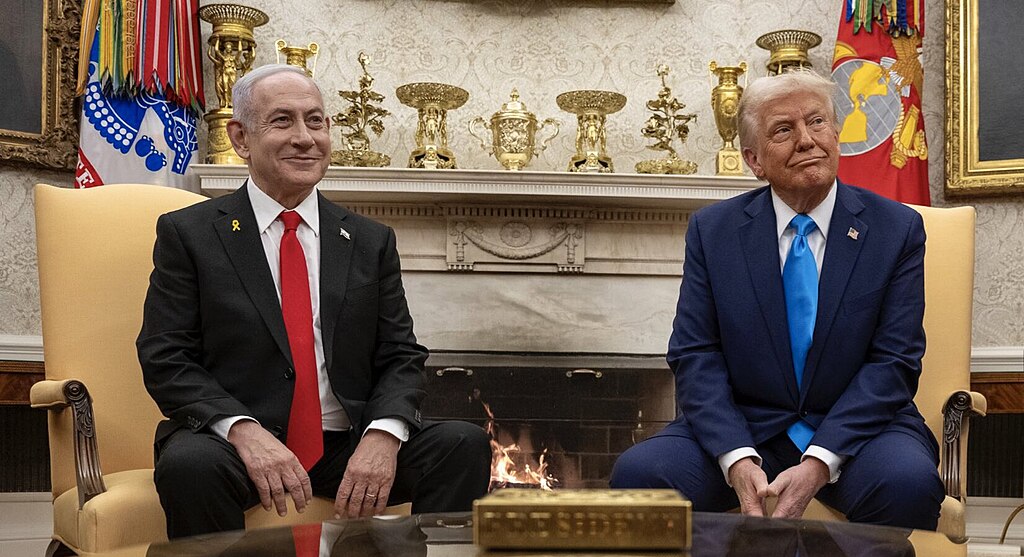
Israeli Prime Minister Benjamin Netanyahu said he will discuss Iran’s nuclear activities and regional security challenges during his visit next week to Washington, where he is scheduled to meet U.S. President Donald Trump. Speaking on Monday at a joint press conference in Jerusalem with Greek Prime Minister Kyriakos Mitsotakis and Cypriot President Nikos Christodoulides, Netanyahu emphasized that Israel remains closely monitoring Iran’s military actions and strategic intentions.
Netanyahu noted that Israel is aware Iran has recently conducted unspecified “exercises,” a remark that followed reports from Iranian state media confirming missile drills in several cities. These drills marked the second such exercise reported within a month. Western powers have long viewed Iran’s ballistic missile program as a significant threat to Middle East stability and a potential delivery system for nuclear weapons, should Tehran pursue atomic arms. Iran, however, continues to deny any intention to develop nuclear weapons.
Despite heightened tensions, Netanyahu stressed that Israel is not seeking confrontation with Iran. He said that Israel and the United States maintain consistent expectations, including a demand that Iran reduce its uranium enrichment levels. According to Netanyahu, these issues will “obviously” be part of his discussions with Trump, alongside broader regional concerns.
The prime minister added that his Washington talks will also focus on advancing the next phase of Trump’s Gaza plan, addressing security threats posed by Iran-backed Hezbollah in Lebanon, and countering the actions of Yemen’s Houthi forces, which Israel accuses of disrupting international shipping routes. Netanyahu reiterated Israel’s desire to see a stable and sovereign Lebanon free from militant influence.
Relations between Israel, Greece, and Cyprus have strengthened significantly over the past decade, driven by shared concerns over regional stability and Turkey’s influence. During the meeting, the three leaders agreed to deepen security cooperation and advance strategic infrastructure projects, including a proposed sea-and-rail corridor linking India to Europe via the Middle East. They also expressed commitment to an undersea electricity cable project aimed at integrating regional power grids with Europe and the Arabian Peninsula.
Greek Prime Minister Mitsotakis highlighted Greece’s growing role as a liquefied natural gas hub in southeastern Europe, underscoring the importance of energy interconnection projects. Israeli Energy Minister Eli Cohen described the trilateral meeting as timely, citing ongoing efforts by unnamed countries to undermine regional stability.













