


 Kim Jong Un Oversees North Korea Destroyer Missile Tests, Orders Rapid Naval Deployment
  Australia Sues Amazon Over Prime Video Ads and Subscription Terms
  ICC Judges Sue Trump Administration Over Sanctions, Calling Measures Unlawful
  U.S. Supreme Court to Review Trump Administration Appeal on Immigrant Detention Without Bond Hearings
  Trump Marks America’s 250th Anniversary With National Mall Rally Amid Political Divide
  Russian Attacks Kill Six Across Ukraine as Kyiv Mourns Deadly Strike
  Iran Begins Oil Sale Talks With Japan Under U.S. Sanctions Waiver Amid Shipping Risks
  Burgum Defends Free Speech as Patriot Front July 4 March Sparks Debate
  DOJ Opens Investigation Into NYC Coffee Shop Over Anti-Goldman Social Media Post
  Michigan Senate Race Narrows as Mallory McMorrow Ends Democratic Campaign
  In a rebuke to Trump, the Supreme Court rules that birthright citizenship is the law of the land
  Iran Holds State Funeral for Ali Khamenei as Security Fears Shape Succession
  Trump Administration Proposes Repeal of 702 Federal Regulations in Major Deregulation Push
  Brazil Supreme Court Convicts Eduardo Bolsonaro Over U.S. Lobbying Efforts
  Texas Man Charged After Fatal Tesla Full Self-Driving Crash in Katy
  HSBC Australia Faces A$35M Penalty Over Scam Protection Failures


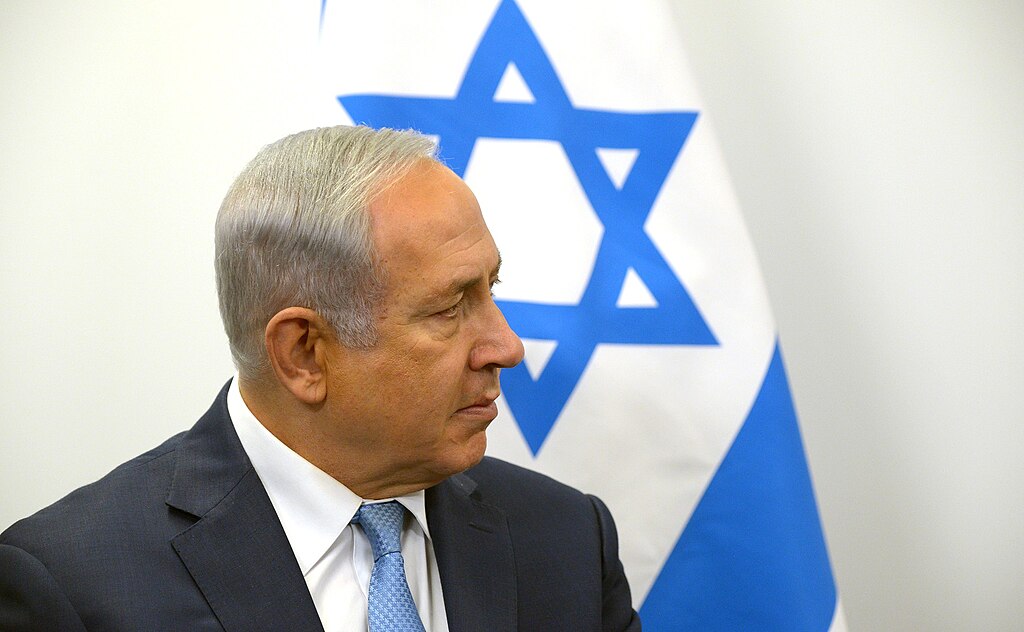
Israeli Prime Minister Benjamin Netanyahu has formally requested a presidential pardon in his long-running corruption case, arguing that the trial is undermining his ability to lead the country effectively. Netanyahu, Israel’s longest-serving prime minister, denies charges of bribery, fraud, and breach of trust. His legal team maintains he will ultimately be fully acquitted but insists the ongoing proceedings have become a national burden.
In a video released by his Likud party, Netanyahu urged Israelis to support the move, saying the legal process has placed unreasonable demands on him, including testifying multiple times a week while managing state affairs. His lawyers argued that ending the trial would help ease political divisions and promote national unity.
The request, described as “extraordinary” by President Isaac Herzog’s office, will now be reviewed by the Justice Ministry’s pardons department. Traditionally, Israeli presidents consider pardons only after a conviction, but Netanyahu’s legal team claims the president has authority to intervene earlier when public interest is at stake. Herzog will evaluate recommendations provided by his legal advisers before making a decision.
The move has reignited fierce debate across Israel’s political landscape. Opposition leader Yair Lapid criticized the request, arguing that no pardon should be granted without Netanyahu admitting guilt, expressing remorse, and stepping away from political life. Other opposition figures, such as Yair Golan, urged the president to reject the appeal and called for Netanyahu’s resignation.
Meanwhile, coalition partners including National Security Minister Itamar Ben-Gvir and Finance Minister Bezalel Smotrich voiced firm support for the prime minister.
Netanyahu was indicted in 2019 over allegations that he provided benefits to influential business figures in exchange for lavish gifts and favorable media coverage. The cases remain some of the most divisive in Israel’s political history, further intensified by the aftermath of Hamas’s October 7, 2023 attack and the ensuing Gaza war, which has drawn global criticism for its humanitarian toll.
As the next Israeli election approaches in 2026, polls suggest Netanyahu’s right-wing coalition may face major challenges—making the outcome of this pardon request even more consequential for Israel’s political future.







