


 U.S.-India Trade Framework Signals Major Shift in Tariffs, Energy, and Supply Chains
  New York Legalizes Medical Aid in Dying for Terminally Ill Patients
  U.S. to Begin Paying UN Dues as Financial Crisis Spurs Push for Reforms
  Trump Allows Commercial Fishing in Protected New England Waters
  Trump Says “Very Good Talks” Underway on Russia-Ukraine War as Peace Efforts Continue
  China Warns US Arms Sales to Taiwan Could Disrupt Trump’s Planned Visit
  Nicaragua Ends Visa-Free Entry for Cubans, Disrupting Key Migration Route to the U.S.
  Trump Signs Executive Order Threatening 25% Tariffs on Countries Trading With Iran
  India–U.S. Interim Trade Pact Cuts Auto Tariffs but Leaves Tesla Out
  Jack Lang Resigns as Head of Arab World Institute Amid Epstein Controversy
  Anutin’s Bhumjaithai Party Wins Thai Election, Signals Shift Toward Political Stability
  Trump Congratulates Japan’s First Female Prime Minister Sanae Takaichi After Historic Election Victory
  Pentagon Ends Military Education Programs With Harvard University
  Sydney Braces for Pro-Palestine Protests During Israeli President Isaac Herzog’s Visit
  Trump Administration Appeals Court Order to Release Hudson Tunnel Project Funding
  U.S. Lawmakers to Review Unredacted Jeffrey Epstein DOJ Files Starting Monday
  Ohio Man Indicted for Alleged Threat Against Vice President JD Vance, Faces Additional Federal Charges


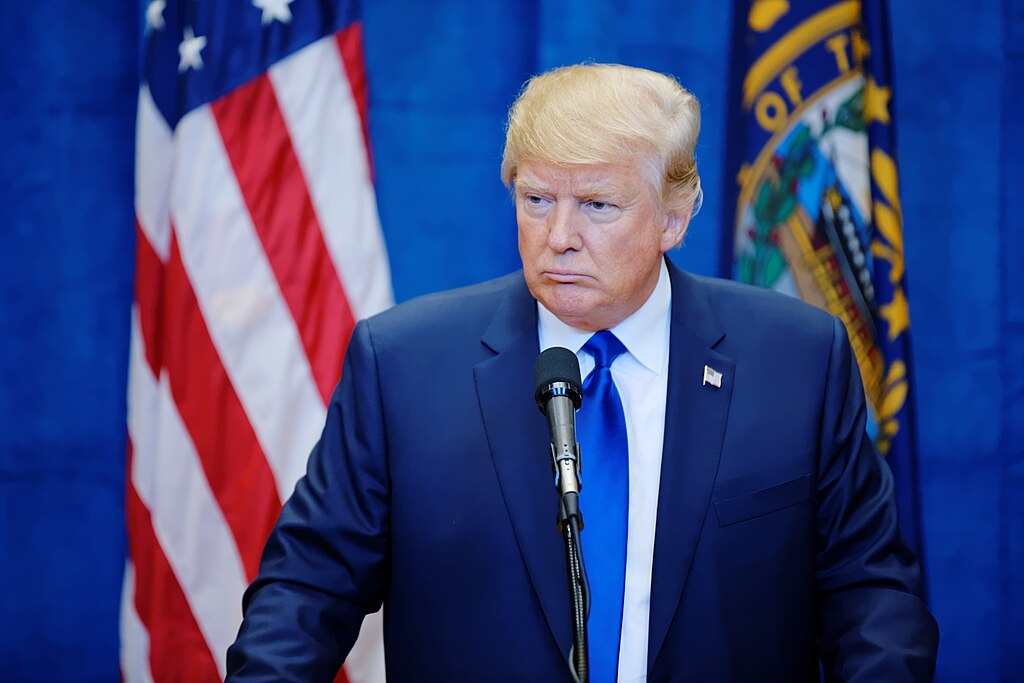
Israeli Prime Minister Benjamin Netanyahu officially nominated U.S. President Donald Trump for the Nobel Peace Prize, presenting the nomination letter during their meeting at the White House on Monday.
The meeting, held in Washington, emphasized U.S.-Israel cooperation on advancing peace in the Middle East. At the start of their talks, Netanyahu praised Trump’s efforts to reshape regional dynamics and normalize ties between Israel and Arab nations. He highlighted the U.S.-brokered Abraham Accords, which led to historic agreements between Israel and countries such as the United Arab Emirates, Bahrain, and Morocco.
Speaking to reporters, Netanyahu said Israel and the United States were collaborating to find more countries willing to support peace initiatives that would provide Palestinians with a more promising future. While no new agreements were announced, both leaders expressed optimism about further diplomatic breakthroughs in the region.
Trump, who has previously been nominated by others for his role in Middle East peace efforts, accepted the letter with gratitude. His administration has focused on unconventional approaches to diplomacy, including economic incentives and political normalization between long-time adversaries.
The Nobel Peace Prize nomination adds to Trump's legacy in international diplomacy, particularly in the context of the Abraham Accords and efforts to reduce tensions in the region. Netanyahu’s endorsement reinforces the strong alliance between the two leaders and their shared vision for a new era of peace in the Middle East.
The timing of the nomination also comes amid broader geopolitical developments and ongoing conversations around Israeli-Palestinian relations. As regional partnerships evolve, both leaders underscored their commitment to exploring new avenues for peace and cooperation in the Middle East.
This nomination marks another symbolic moment in the Trump-Netanyahu partnership and their mutual pursuit of diplomatic transformation.













