


 Westinghouse Targets $50 Billion Valuation in U.S. IPO
  Trump Bans CNN, MS NOW and Politico From White House
  Office design isn’t keeping up with post-COVID work styles - here’s what workers really want
  Supertanker Orders Surge as US-Iran War Reshapes Oil Trade
  Trump Plans Federal AI Force and AI Czar
  Paramount Skydance Faces $30 Million Film Penalty in Warner Bros. Deal
  SpaceX Nasdaq 100 Weight to More Than Double in Rebalance
  Glastonbury is as popular than ever, but complaints about the lineup reveal its generational challenge
  Volkswagen Shares Slide After 2026 Profit Outlook Cut
  Volvo Cars Plans 13 New Models by 2030 to Boost Sales
  Can your cat recognise you by scent? New study shows it’s likely
  ‘Buy now, pay later’ doesn’t feel like debt. For young people, that can be a big problem
  Paramount-Warner Bros $110 Billion Deal Draws Antitrust Backlash
  The American mass exodus to Canada amid Trump 2.0 has yet to materialize
  Heritage, desire and diplomacy: why China still values scotch whisky
  Debate over H-1B visas shines spotlight on US tech worker shortages


 Add as a preferred source on Google
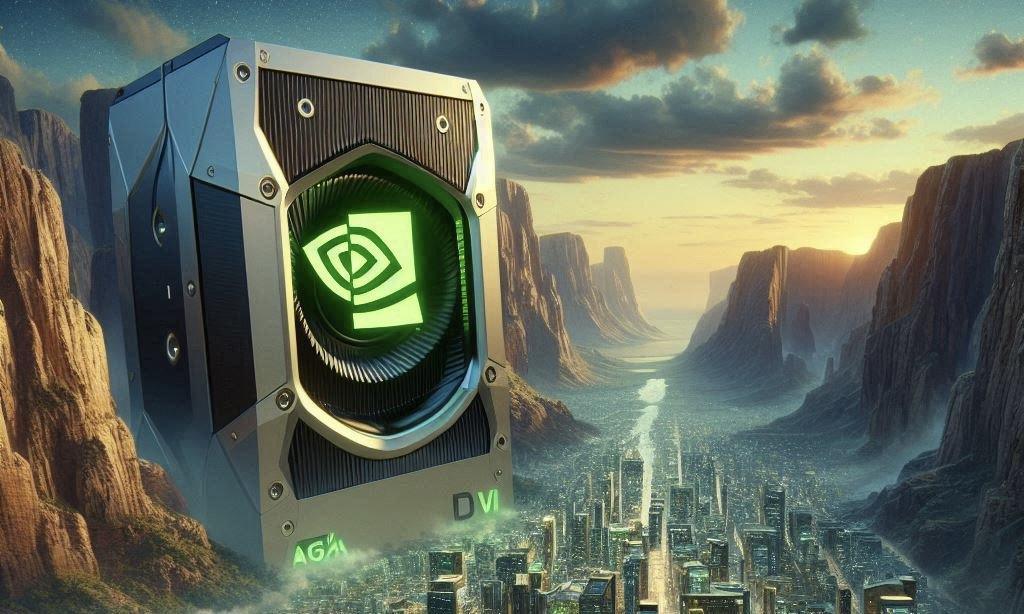
NVIDIA's stock dropped by 7% following its latest earnings report, despite exceeding revenue forecasts. Investors are concerned as the company's net profit margin declines for the first time since 2022, marking the potential end of its peak growth phase.
NVIDIA’s Stock Dips 7% as Profit Margins Fall, Signaling Potential End of Uninterrupted Growth
In the wake of its most recent quarterly earnings report, NVIDIA shares have declined by approximately 7 percent. Investors are currently evaluating an otherwise exceptional financial performance, which is slightly tainted by the specter of the peak growth phase, which is now evident. This has resulted in the expected post-party hangover and reduced the stock's nosebleed premium at the margins.
Despite the market's reaction, NVIDIA's financial performance remains resilient. According to Wccftech, the company surpassed analysts' consensus estimates for top-line and bottom-line metrics. It provided a staggering revenue forecast for the current quarter of $32.5 billion, exceeding the consensus estimates by approximately $600 million.
Nevertheless, several significant caveats exist. NVIDIA's net profit margin has experienced its first decline since the second quarter of 2022.
Additionally, it is essential to note that NVIDIA is currently projecting a gross profit margin of 74.4 percent for the current quarter, which is lower than the actual margin of 76.7 percent and the guidance of 74.8 percent for the quarter ending in June.
Another potential area for improvement in NVIDIA's armor is that its revenue from data centers in China has declined from the levels it experienced before the United States implemented export controls.
NVIDIA Addresses Blackwell Design Flaw, Faces Weaker Margins and Delayed Shipments in Q4
On the Blackwell front, NVIDIA has taken a proactive approach. While the company validated the rumors of a minor design flaw, it also stated that the shortcomings were promptly resolved by modifying the photomask, a specific template employed to generate customized patterns on semiconductor wafers.
The company anticipates that Blackwell products will be shipped in the December-ending quarter, and due to these modifications, Hopper shipments are expected to increase in H2 2024.
Blackwell's minor delay, however, is accompanied by a substantial expense: During the earnings call, NVIDIA disclosed that it anticipates "weaker margins in the fourth quarter."
Therefore, NVIDIA's period of rampant, uninterrupted, and flawless growth has concluded. Naturally, the organization continues to generate substantial revenue. However, the stock market is a highly efficient discounting mechanism that incorporates a temporary growth hiatus—albeit one only associated with specific metrics—into the price of NVIDIA's stock by reducing a portion of its vertigo-inducing high premium.







