


 OpenAI Nears Astra AI Model Launch With Safety Focus
  South Korea Unveils Record $597 Billion 2027 Budget to Boost AI and Chips
  U.S. Probes Apex Logistics Over Nvidia AI Chip Shipments to China
  OpenAI Rejects Apple Trade Secret Theft Claims
  BofA Names ASML Top Semiconductor Equipment Pick on Growth, Valuation
  Nvidia Reportedly Eyes $13 Billion Hugging Face Acquisition
  SoftBank Eyes $20 Billion Bond Sale to Refinance OpenAI Loan
  Google Expands Gemini Enterprise With AI Tools for Legal Sector
  Apple’s Phil Schiller Steps Back as Leadership Shake-Up Accelerates
  Nvidia Pauses AI Cloud Financing Deals Amid Antitrust Concerns
  U.S. Disrupts China-Linked Hacking Campaign Targeting Government Agencies
  SpaceX Mobile Network Could Cost Up to $130 Billion, Bernstein Says
  Meta Agrees to $18 Billion Settlement, Tightens Teen Social Media Rules
  Luxshare Shares Rise as First-Half Profit Jumps 18%


 Add as a preferred source on Google
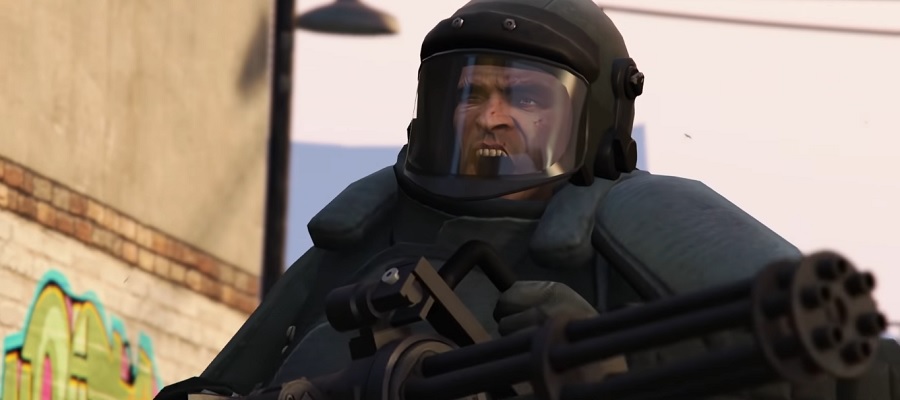
Rockstar Games recently updated its policy for the use of “GTA” Roleplay servers following reports that a rapper’s server was forced to close over the weekend. The developer reminded players that servers could not be used to sell a number of things, including cryptocurrencies and crypto assets like non-fungible tokens (NFTs).
A rapper known as Lil Durk, who maintained a “GTA” RP server called Trenches, reportedly received a notice from Rockstar Games and its parent company Take-Two Interactive ordering the immediate shutdown of his server. A screenshot of the rapper’s message to his followers was shared on Twitter on Sunday, where his team says they were “notified [by] the legal counsel” of the game publisher.
The RP server is essentially a “GTA V” multiplayer mod, but, as its name suggests, it allows fans to play the game while assuming different roles. They can even choose to be one of the NPCs and use customization options available on a server.
Lil Durk’s message posted on Twitter did not specify why the server was asked to cease operation. But PCGamesN said, aside from hosting events, Lil Durk’s “GTA” RP server was also used to offer in-game items. But the purchase would have to be done through the rapper’s Tebex-hosted website OFT Gaming. The rapper’s statement indicated that his Trenches RP server was closed last Sunday at midnight.
Reports later noticed that Rockstar Games updated its “GTA” RP policy last Nov. 18, clarifying prohibited activities within the servers. Most notably, the developer told players that it does not allow “commercial exploitation.”
“Rockstar Games has always believed in reasonable fan creativity and wants creators to showcase their passion for our games,” the developer said in the policy update. “Third-party ‘Roleplay’ servers are an extension of the rich array of community-created experiences within ‘Grand Theft Auto’ that we hope will continue to thrive in a safe and friendly way for many years to come.”
In Rockstar’s definition, commercial exploitation includes the use of cryptocurrencies and crypto assets like NFTs. It also prohibits the sale of loot boxes for real money and in-game items, the exchange of virtual currencies, and running corporate sponsorships or in-game integrations from generating revenue.







