


 Ohio Man Indicted for Alleged Threat Against Vice President JD Vance, Faces Additional Federal Charges
  Norway Opens Corruption Probe Into Former PM and Nobel Committee Chair Thorbjoern Jagland Over Epstein Links
  Trump Signs “America First Arms Transfer Strategy” to Prioritize U.S. Weapons Sales
  US Pushes Ukraine-Russia Peace Talks Before Summer Amid Escalating Attacks
  U.S.-India Trade Framework Signals Major Shift in Tariffs, Energy, and Supply Chains
  U.S. Lawmakers to Review Unredacted Jeffrey Epstein DOJ Files Starting Monday
  China Warns US Arms Sales to Taiwan Could Disrupt Trump’s Planned Visit
  Pentagon Ends Military Education Programs With Harvard University
  Jack Lang Resigns as Head of Arab World Institute Amid Epstein Controversy
  India–U.S. Interim Trade Pact Cuts Auto Tariffs but Leaves Tesla Out
  South Korea Assures U.S. on Trade Deal Commitments Amid Tariff Concerns
  Nighttime Shelling Causes Serious Damage in Russia’s Belgorod Region Near Ukraine Border
  Trump Says “Very Good Talks” Underway on Russia-Ukraine War as Peace Efforts Continue
  Missouri Judge Dismisses Lawsuit Challenging Starbucks’ Diversity and Inclusion Policies
  New York Legalizes Medical Aid in Dying for Terminally Ill Patients
  Trump Signs Executive Order Threatening 25% Tariffs on Countries Trading With Iran
  Trump Backs Nexstar–Tegna Merger Amid Shifting U.S. Media Landscape


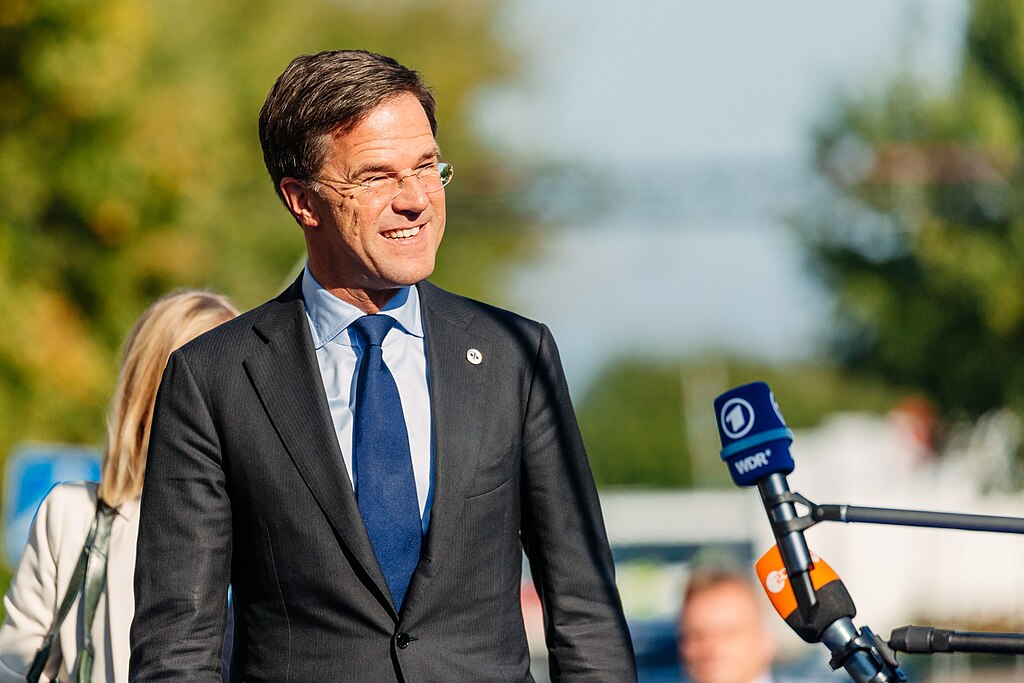
NATO member countries are actively discussing the next steps to strengthen collective security in the Arctic, underscoring the region’s growing strategic importance amid rising geopolitical tensions. NATO Secretary General Mark Rutte confirmed on Monday that allies are working to ensure the Arctic remains safe and stable, particularly as melting ice opens new sea lanes and attracts increased interest from global powers such as Russia and China.
Speaking at a press conference in Croatia, Rutte emphasized that all NATO allies agree on the critical importance of Arctic security. He noted that discussions have been ongoing since last year and are now entering a more practical phase, focusing on concrete actions and operational follow-ups. According to Rutte, the opening of Arctic sea routes increases the risk of heightened activity by Russia and China, making coordinated defense planning more urgent than ever.
The renewed focus on the Arctic also comes as U.S. President Donald Trump reiterated his controversial stance that the United States needs to own Greenland to prevent potential occupation by rival powers. Greenland, however, is an autonomous territory within the Kingdom of Denmark and hosts a U.S. airbase under existing international agreements. Danish and Greenlandic officials have firmly stated that the island is not for sale and that any security concerns should be addressed collaboratively within NATO.
European diplomats told Reuters that NATO members are exploring the possibility of a new operation aimed at boosting Arctic security. While no formal decisions have been made, some officials have suggested that such an initiative could be modeled on existing NATO missions like Baltic Sentry and Eastern Sentry, which were designed to reinforce security along the alliance’s eastern flank.
Adding to this, a spokesperson for the German government confirmed that discussions on strengthening security in the Arctic region are currently underway within NATO frameworks. These talks reflect broader efforts by allies to address U.S. concerns while maintaining unity and respecting existing treaties.
As climate change accelerates Arctic accessibility, NATO’s strategic planning in the region is likely to remain a key focus, balancing defense, diplomacy, and alliance cohesion in an increasingly contested geopolitical landscape.













