


 Blue Origin’s New Glenn Achieves Breakthrough Success With First NASA Mission
  Jared Isaacman Confirmed as NASA Administrator, Becomes 15th Leader of U.S. Space Agency
  Trump and Merck KGaA Partner to Slash IVF Drug Costs and Expand Fertility Coverage
  Eli Lilly’s Inluriyo Gains FDA Approval for Advanced Breast Cancer Treatment
  Cogent Biosciences Soars 120% on Breakthrough Phase 3 Results for Bezuclastinib in GIST Treatment
  Trump Administration to Launch Autism Initiatives Targeting Acetaminophen Use and New Treatment Options
  FDA Adds Fatal Risk Warning to J&J and Legend Biotech’s Carvykti Cancer Therapy
  SpaceX’s Starship Completes 11th Test Flight, Paving Way for Moon and Mars Missions
  SpaceX Delays Starship V3 Launch Ahead of Potential Record IPO
  NASA Artemis II: First Crewed Moon Mission Since Apollo Takes Four Astronauts on 10-Day Lunar Journey
  Trump Signs Executive Order to Boost AI Research in Childhood Cancer


 Add as a preferred source on Google
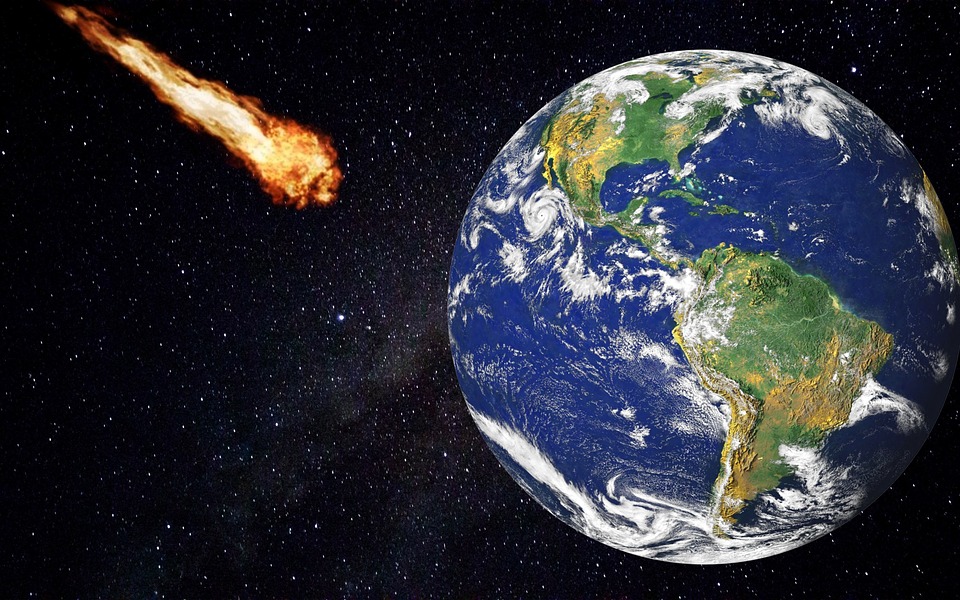
Back in July, an asteroid going by the name of 2019 OK nearly hit our planet, whizzing past Earth at a distance of 48,000 miles. What’s even worse is that NASA admits it didn’t detect the space rock early, highlighting the need to upgrade the planet’s detection system.
But even if an asteroid is detected, what can humanity do against a threat such as this? Well, NASA recently released a report proposing various methods in dealing with Potentially Hazardous Objects (PHO).
There are four propositions that have been put forward to deal with deadly asteroids. The use of Nuclear weapons, non-nuclear kinetic impactors, “slow push” mitigation techniques, and trajectory altering methods. Of the four, the nuclear option has been deemed the best method, with NASA measuring its efficacy by 10-100 times more potent, the report read.
How to deal with killer asteroids
“Nuclear standoff explosions are assessed to be 10-100 times more effective than the non-nuclear alternatives analyzed in this study. Other techniques involving the surface or subsurface use of nuclear explosives may be more efficient, but they run an increased risk of fracturing the target NEO (near-Earth Objects,” NASA said. So how exactly are these methods going to be implemented against an asteroid?
One of the proposed avenue is to launch a nuclear weapon towards the PHO and detonate it in an attempt to alter its trajectory. Other methods involve detonating the nuclear device on the surface or sub-surface of the asteroid, but as has been mentioned earlier, this could fragment the space rock and shower multiple locations with deadly debris.
Asteroids should be detected early
As for the non-nuclear means, one of the things that NASA is considering is employing a large mirror to focus solar energy on a particular spot to boil off the asteroid’s surface. Another is to fly close to the target, attached a spacecraft on it, and push it off the trajectory it’s tracking.
Of course, the asteroid needs to be detected early for any of this to work. As such, NASA is also boosting its asteroid-detection capabilities to spot these oncoming threats. A combination of ground and space observatory systems will be launched that use a combination of optical and infrared technology. Bill Nye hailed the renewed effort of NASA in ramping up their detection program, adding that this investment is crucial in dealing with future threats originating from space.







