As a US government organization funded by the taxpayers, one would think that NASA is one of the most well-funded bodies in the world. However, it turns out that the space agency is far too broke to send people to Mars, contradicting what the Trump administration recently touted. Now, the only hope of humanity becoming a multi-planet species is SpaceX, which does have money.
There’s no denying that an endeavor like sending people to Mars would be a costly one and with the US political climate being what it is, committing resources to something that a lot of people believe is non-essential would be incredibly unpopular. In the case of NASA, the agency recently admitted during a meeting that even landing on Mars is beyond them.
"I can't put a date on humans on Mars, and the reason really is the other piece is, at the budget levels we described, this roughly 2 percent increase, we don’t have the surface systems available for Mars," William H. Gerstenmaier, the head of human spaceflight at NASA said. "And that entry, descent and landing is a huge challenge for us for Mars."
As Ars Technica notes, there were plenty of skeptics and naysayers who doubted that NASA even had the time or the capability to send people to Mars when the goal was announced. After this admission, those people just got, even more, ammunition to hurl towards the space agency.
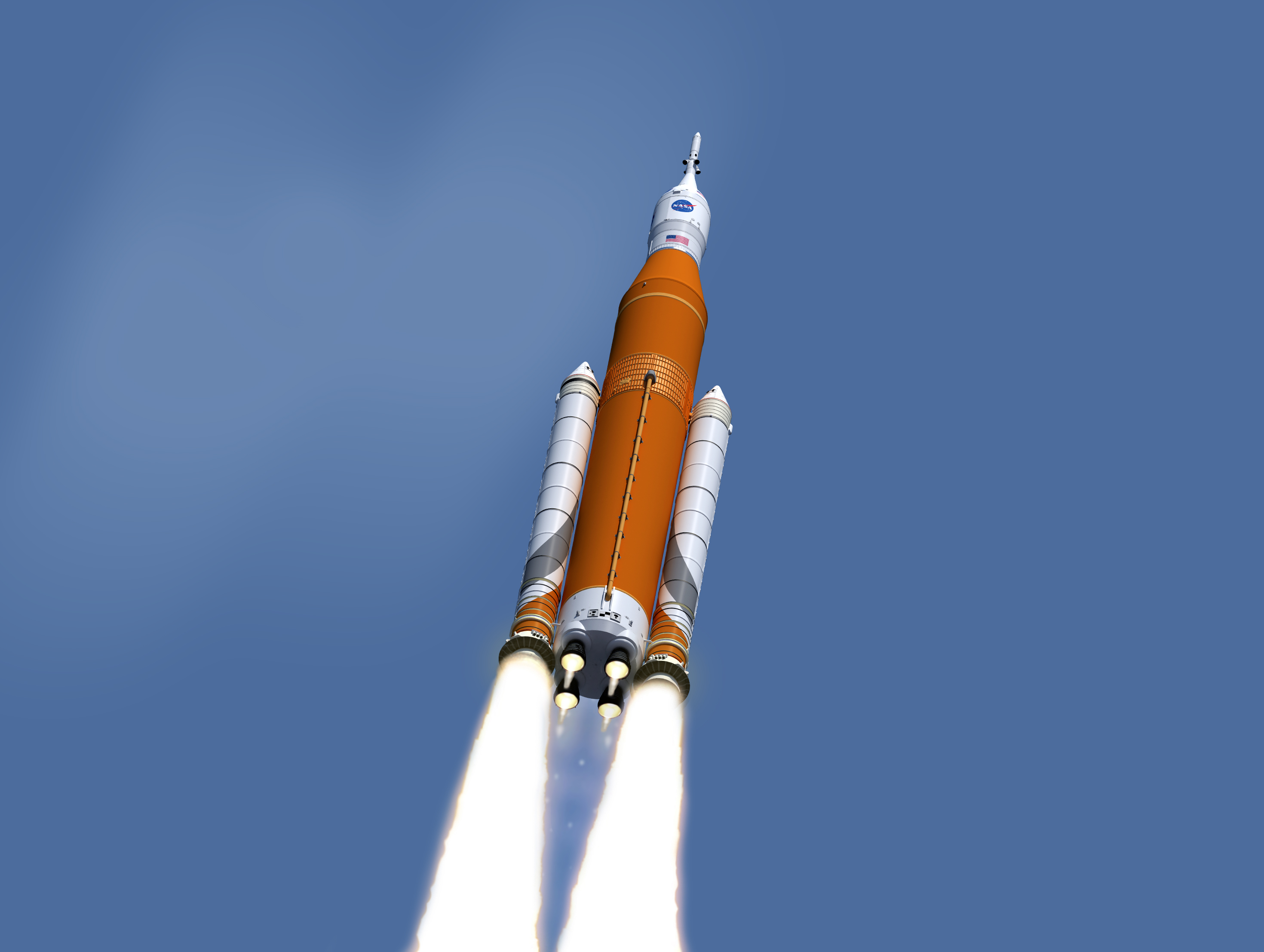
For the most part, it would seem that some of the biggest obstacles that prevent the US space agency from achieving such a goal are the costs that its current rocket technology would incur. Unlike what SpaceX has already achieved, NASA does not have reusable rockets.
This would make launches incredibly expensive, and landing on Mars would be out of the question. Basically, as of this moment, Elon Musk’s private space company is the best hope that humanity has.