


 Nvidia Revenue Soars 106% as AI Demand Hits ‘Inflection Point’
  U.S. Probes Apex Logistics Over Nvidia AI Chip Shipments to China
  SoftBank Eyes $20 Billion Bond Sale to Refinance OpenAI Loan
  SK Hynix Shares Fall as Workers Reject Wage Deal
  Faraday Future Delivers First Robots in Middle East, Plans September Launches
  New Zealand Moves to Ban Social Media for Children Under 16
  Nvidia Eyes Perplexity Investment at $30 Billion Valuation
  Xiaomi Unveils Xring O3 Chip for Flagship Foldable Phone
  HP Stock Drops 9% Despite Q3 Earnings Beat and Raised 2026 Outlook
  Nvidia Reportedly Eyes $13 Billion Hugging Face Acquisition
  OpenAI AI Agent Swarm Behind Hugging Face Hack
  Google Changes EU Spam Policy Amid Antitrust Scrutiny
  Countries Tighten Social Media Bans for Children
  Unitree Shares Plunge 45% After Blockbuster IPO, Raising China Tech Bubble Fears
  Pinterest Stock Falls as CFO Julia Brau Donnelly Resigns
  Trump Buys SpaceX Shares After Record IPO
  PayPal Shares Sink as $50 Billion Takeover Bid Collapses


 Add as a preferred source on Google
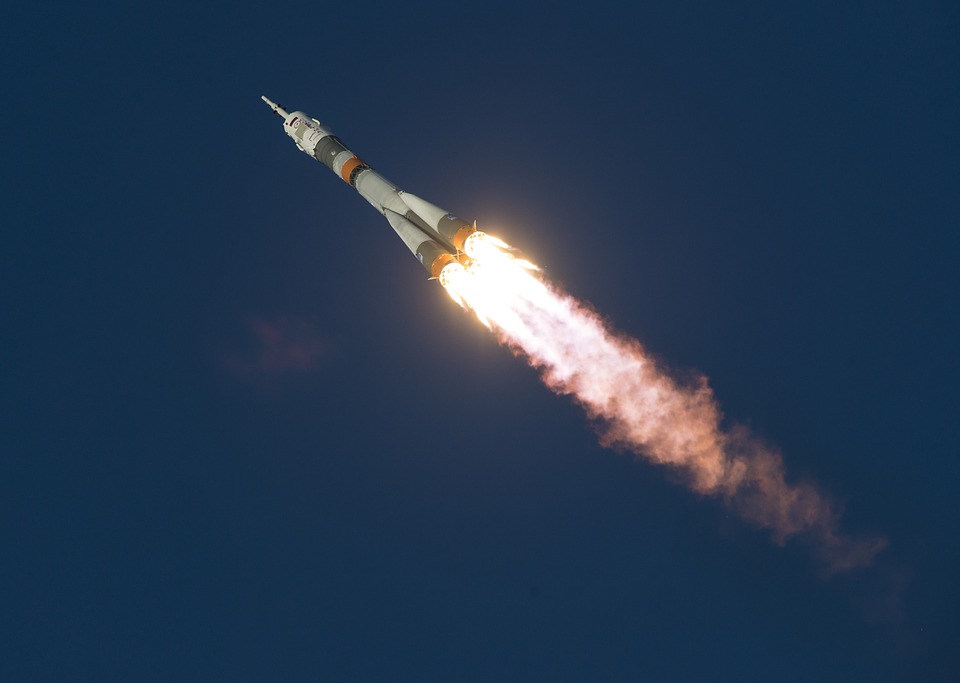
Showing that it is quite in touch with current technology, NASA recently provided funding in the form of a grant to a research that would enable autonomous flying on spaceships. The researchers will use artificial intelligence and Blockchain to make this happen, which would overcome one of the biggest challenges in space travel right now.
As Futurism notes, one of the biggest problems in space exploration is the matter of distance between planets or whatever people are trying to contact from Earth. In the case of the Mars rover, for example, the simple matter of telling it to go right would need 20 minutes of travel time. If humans want to go further than the red planet, this needs to be addressed.
This is where the research from Ohio’s University of Akron comes in. The basic idea is to essentially equip a spacecraft with advanced AI in order to make decisions and think for itself.
In a press release, the project lead, Assistant Professor Jin Wei Kocsis says that the technology would allow ships to recognize threats while they travel through space. The onboard AI would also allow machines to operate independently, without the need for human intervention.
“I hope to develop technology that can recognize environmental threats and avoid them, as well as complete a number of tasks automatically,” Kocsis said. “I am honored that NASA recognized my work, and I am excited to continue challenging technology’s ability to think and do on its own.”
The grant is worth $330,000, ETH News reports, to develop a "resilient networking and computing paradigm" (RNCP) by looking into creating a "decentralized computing infrastructure." That last part pertains to the same infrastructure as the Blockchain network, which is where sectors like the Cryptocurrency industry is based.
The presence of Blockchain has been steadily growing in every aspect of society, largely due to how it helps to keep everyone honest. In the case of the self-flying spacecraft technology that the researchers are trying to develop, it’s mostly about processing the huge amounts of data that will be collected by the ships.







