


 Asian Stocks Edge Higher as Tech Shares Rise Ahead of Trump-Xi Beijing Summit
  Trump DOJ Challenges Colorado’s Large-Capacity Magazine Ban in Second Amendment Lawsuit
  Judge Orders Release of Family After Longest ICE Detention Under Trump Administration
  US-China Trade Talks Sideline Chip Export Controls as Nvidia China Sales Draw Attention
  OpenAI Finds No Evidence of User Data Breach in TanStack npm Supply-Chain Attack
  DOJ May Drop Gautam Adani Fraud Charges Amid $10 Billion U.S. Investment Plan
  U.S. Urges China to Help Curb Iran’s Actions in Gulf, Rubio Says
  S&P Global Revises Mexico Credit Outlook to Negative Amid Rising Debt Concerns
  AI is driving down the price of knowledge – universities have to rethink what they offer
  Honda Shares Jump as Automaker Forecasts Profit Recovery Despite Historic Loss
  Florida Launches Criminal Probe Into OpenAI Over FSU Shooting Incident
  Alibaba Stock Surges After Strong Q4 Earnings Boosted by AI and Cloud Growth
  Samsung Shares Drop as Labor Union Confirms Planned Strike
  Aung San Suu Kyi Moved to House Arrest Amid Myanmar Political Crisis
  Oil Prices Hold Above $100 as Trump-Xi Meeting and Iran Conflict Keep Markets on Edge
  Every generation thinks they had it the toughest, but for Gen Z, they’re probably right
  Locked up then locked out: how NZ’s bank rules make life for ex-prisoners even harder


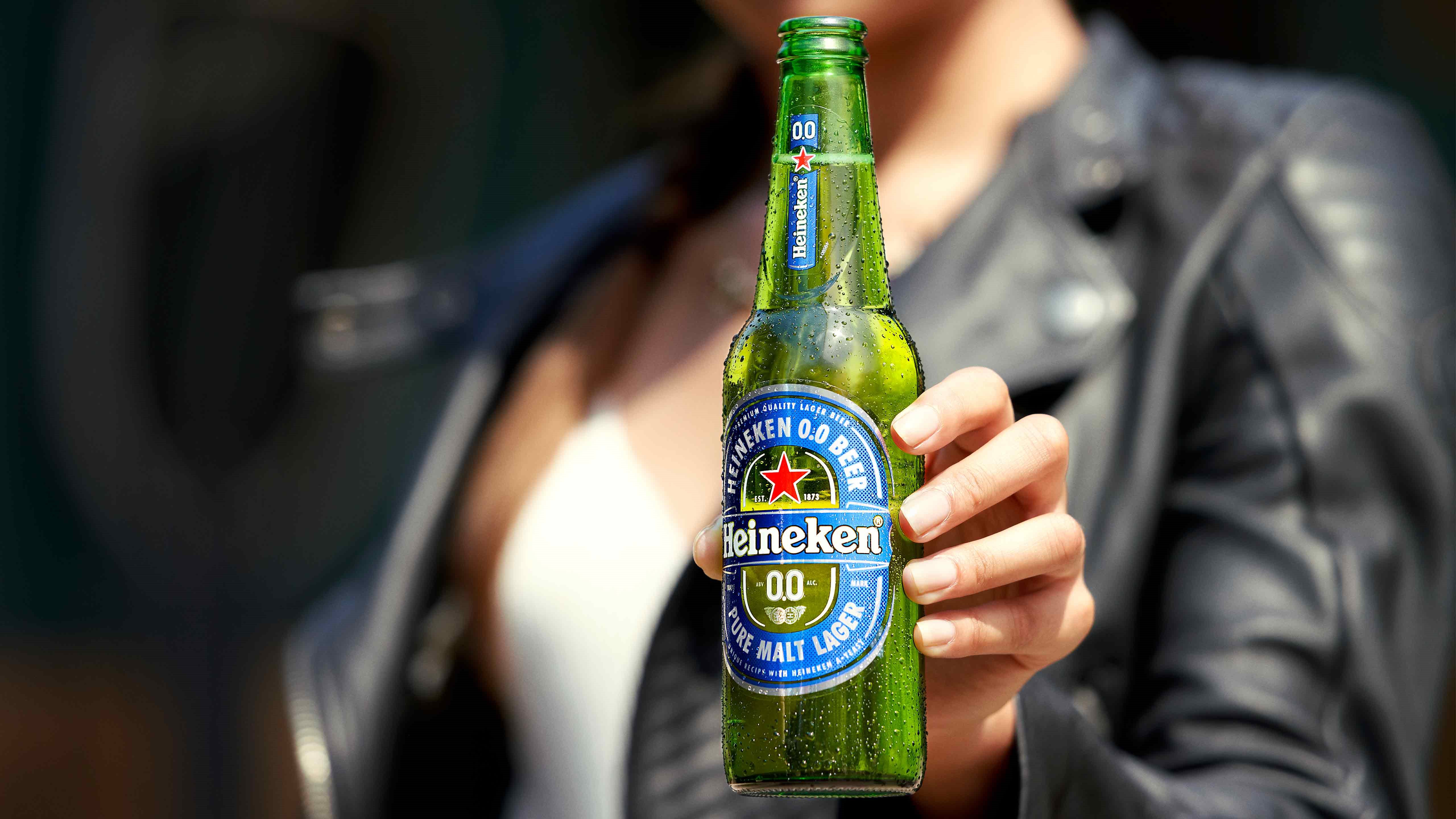
A Louisiana woman sued Heineken USA for misleading consumers with its alcohol-free label of Heineken 0.0 which contains 0.03 percent alcohol.
The Louisiana Record showed that Heineken USA allegedly violated the Louisiana Unfair Trade Practices Act, state consumer fraud acts, breaches of express warranty, implied warranty of merchantability, Magnuson Moss Warranty Act, as well as committed fraud, and unjust enrichment.
The lawsuit filed in U.S. District Court in the Middle District of Louisiana pointed out that in Heineken 0.0's own FAQ page, the brand admits it contains “an extremely small amount of alcohol, maximum 0.03 percent ABV."
The plaintiff Kathleen M. Wilson argues that some who bought the beer don't want even this "minuscule amount of alcohol" and shouldn't be called "0.0" at all.
Wilson added that consumers should be fully informed of the ingredients in the product even if it contains less than .03 alcohol to give them the option to choose.
The plaintiff says she wanted a product with no alcohol and was misled by Heineken's "false and deceptive representation," which caused her to purchase their N/A beer; therefore, she has suffered damages.
Wilson asked for injunctive relief demanding that Heineken change its labeling of the product, monetary damages, and court costs.
On its website, the brand noted that 0.03 percent of ABV has the same or even lower alcohol level than other food products, such as bread, bakery products, juices, and bananas. This was due to the natural fermentation of ingredients, such as cereals and fruits.
Heineken pointed out that fermentation is a natural process, and minuscule alcohol levels can be found everywhere.
The website also insists that its Heineken 0.0 label and ingredient declaration do not violate local food laws and regulations.







