


 Agentic AI Boom to Drive Massive Growth in CPU Market, UBS Says
  Asian Currencies Slip as US Dollar Gains on Rising Iran Tensions and Awaited Jobs Data
  AWS Data Center Overheating Disrupts Cloud Services in Northern Virginia
  Japan’s Yen Intervention and BOJ Rate Hike Bets Support Currency Recovery
  Anthropic’s $1.5B AI Venture with Wall Street Firms Targets Private Equity Market
  Apple Explores Intel and Samsung Partnerships to Diversify Chip Supply Chain
  Trump Signals Possible U.S.-Iran Peace Deal as Markets Rally on Hopes of War Ending
  U.S.-China Beef Trade Deal Hopes Rise Ahead of Trump-Xi Summit
  Iran-U.S. Peace Deal Near as Oil Prices Fall and Nuclear Disputes Persist
  Russian LNG Shadow Fleet Expands Amid Arctic LNG 2 Sanctions
  Samsung Surpasses $1 Trillion Market Cap Amid AI Chip Boom and Apple Partnership Talks
  Wall Street Futures Edge Higher as Iran Tensions and AI Optimism Shape Markets
  China EV Truck Boom Accelerates as Iran War Drives Diesel Prices Higher
  European Stocks Fall as US-Iran Conflict Rekindles Energy Supply Fears
  Trump-Xi Meeting 2026: U.S.-China Trade Tensions Escalate Ahead of Beijing Summit
  Gold Prices Rise as Weaker Dollar and U.S.-Iran Peace Hopes Boost Demand


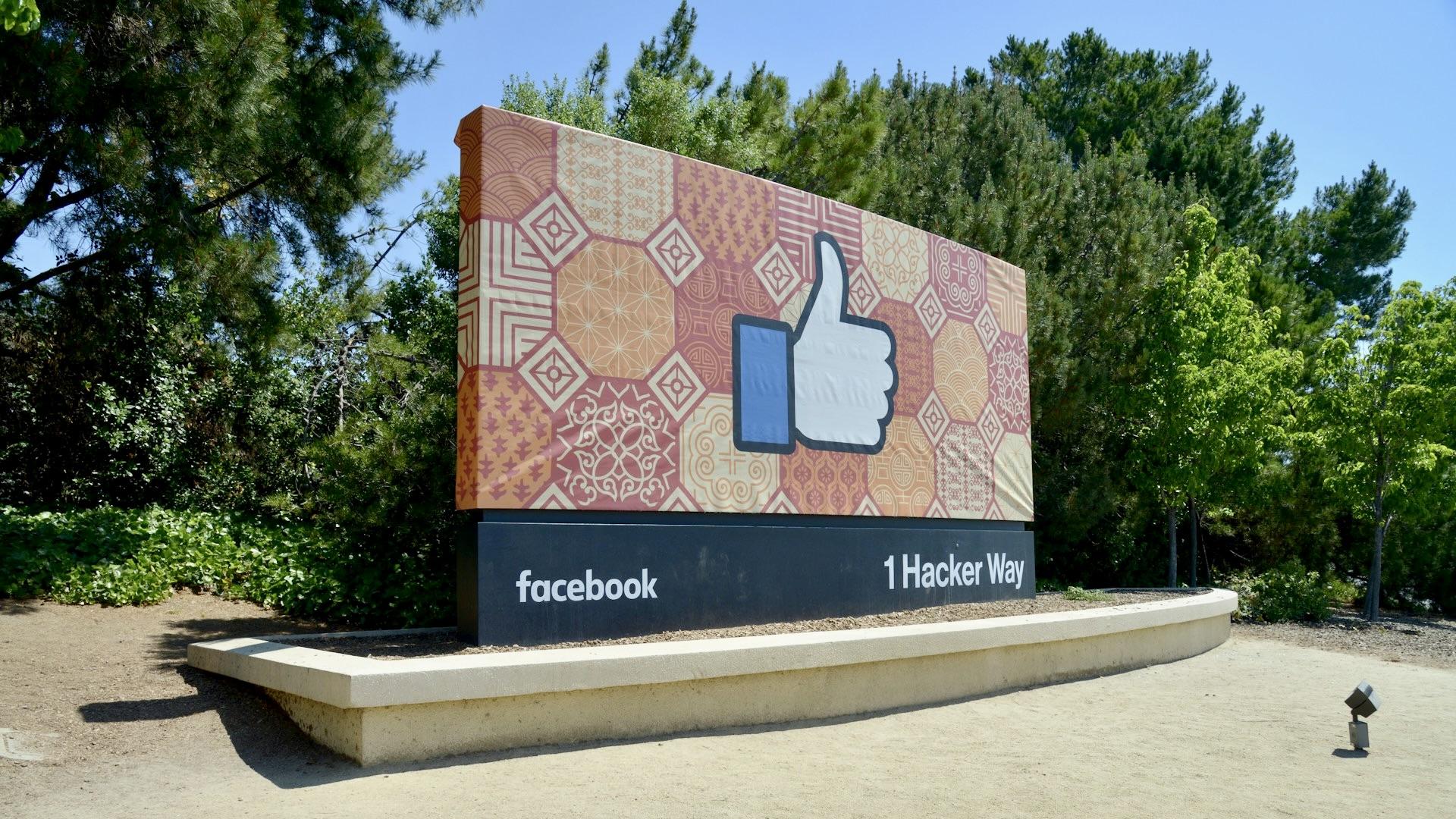
Meta is turning to nuclear power to address its growing AI and data center energy needs, planning to add up to 4 GW of U.S. nuclear capacity by the early 2030s as energy demand triples.
Meta Looks to Nuclear Energy for AI and Environmental Goals
Joining the ranks of other major tech companies showing interest in nuclear power in anticipation of an anticipated surge in electricity demand, Meta announced on Tuesday that it is soliciting proposals from developers of nuclear power as a means to achieve its environmental and artificial intelligence objectives, Reuters reports.
In a press statement, the business stated its intention to increase the United States' nuclear generation capacity by 1 to 4 gigawatts beginning in the early 2030s. About 1 gigawatt is the usual capacity of a nuclear power station in the United States.
"At Meta, we believe nuclear energy will play a pivotal role in the transition to a cleaner, more reliable, and diversified electric grid," a release from the company stated.
Surging Data Center Energy Demands and Industry Challenges
In the United States, data center power consumption is projected to almost quadruple from 2023 to 2030, necessitating around 47 gigawatts of additional generation capacity, as estimated by Goldman Sachs.
Companies confront a number of challenges when trying to use nuclear reactors to quickly meet the increasing demand for electricity. These include local opposition, a potentially overworked U.S. Nuclear Regulatory Commission, and difficulties in obtaining uranium fuel.
In September, Microsoft and Constellation Energy made headlines when they announced a partnership to reactivate a data center unit at Pennsylvania's Three Mile Island plant. This would be a first of its kind. That news came after Amazon.com and Talen Energy had already reached a comparable arrangement in March, when the former bought a data center fueled by nuclear power.
Meta Seeks Innovative Nuclear Solutions
Per Investing.com, Meta is looking for developers that have experience in community participation, development, and permitting. They could be interested in either smaller modular reactors, which are a new and uncommercialized sector of the industry, or larger nuclear reactors like the ones in the United States today.
According to Meta, developers interested in participating in the request for proposals have until January 3, 2025, to submit their entries.
Nuclear Energy’s Long-Term Potential for Clean Power
The business justified its use of the RFP process by pointing out that nuclear power plants are more expensive to build, take longer to complete, and are subject to stricter regulations than other forms of renewable energy, such as wind and solar power.
"An RFP process will allow us to approach these projects thoroughly and thoughtfully with these considerations in mind," according to the report.







