


 Bank of America Says These Overlooked AI Stocks Could Be the Next Winners
  South Korea’s Coupang Fine Sparks U.S. Criticism, Raising Concerns Over Bilateral Ties
  Wistron Opens $700M Texas AI Factory to Build Nvidia GB300 Superchips
  KKR, AEW Seek China Property Sales as Commercial Real Estate Slump Deepens
  Samsung Electronics America to Cut 739 New Jersey Jobs as Texas Headquarters Move Advances
  Lockheed Martin Unveils Lower-Cost Patriot ACE Interceptor to Meet Rising Air Defense Demand
  TSMC Sees Multi-Year AI Chip Demand as Arizona Expansion Reaches $265 Billion
  Australia ASIC Tightens Auditor Oversight After KPMG Leak Scandal
  Nike Shifts China Online Sales Strategy to Boost Brand and Fight Local Rivals
  Tesla Stock Outlook: Strong EV Sales Boost Earnings, but AI Projects Drive Long-Term Value
  Why Maruti Suzuki Is Losing Market Share in India as SUVs and Premium Features Gain Popularity
  Foxconn Wins First SpaceX AI Server Contract Worth Estimated $52 Billion
  SpaceX Q2 Earnings on Aug. 4 Set Stage for Historic Insider Share Unlock
  Alaska Air Q3 Outlook Misses Estimates as Higher Fuel Costs Weigh on Profit Forecast
  Morgan Stanley Downgrades Adobe, Workday as AI Transition Raises Growth Concerns


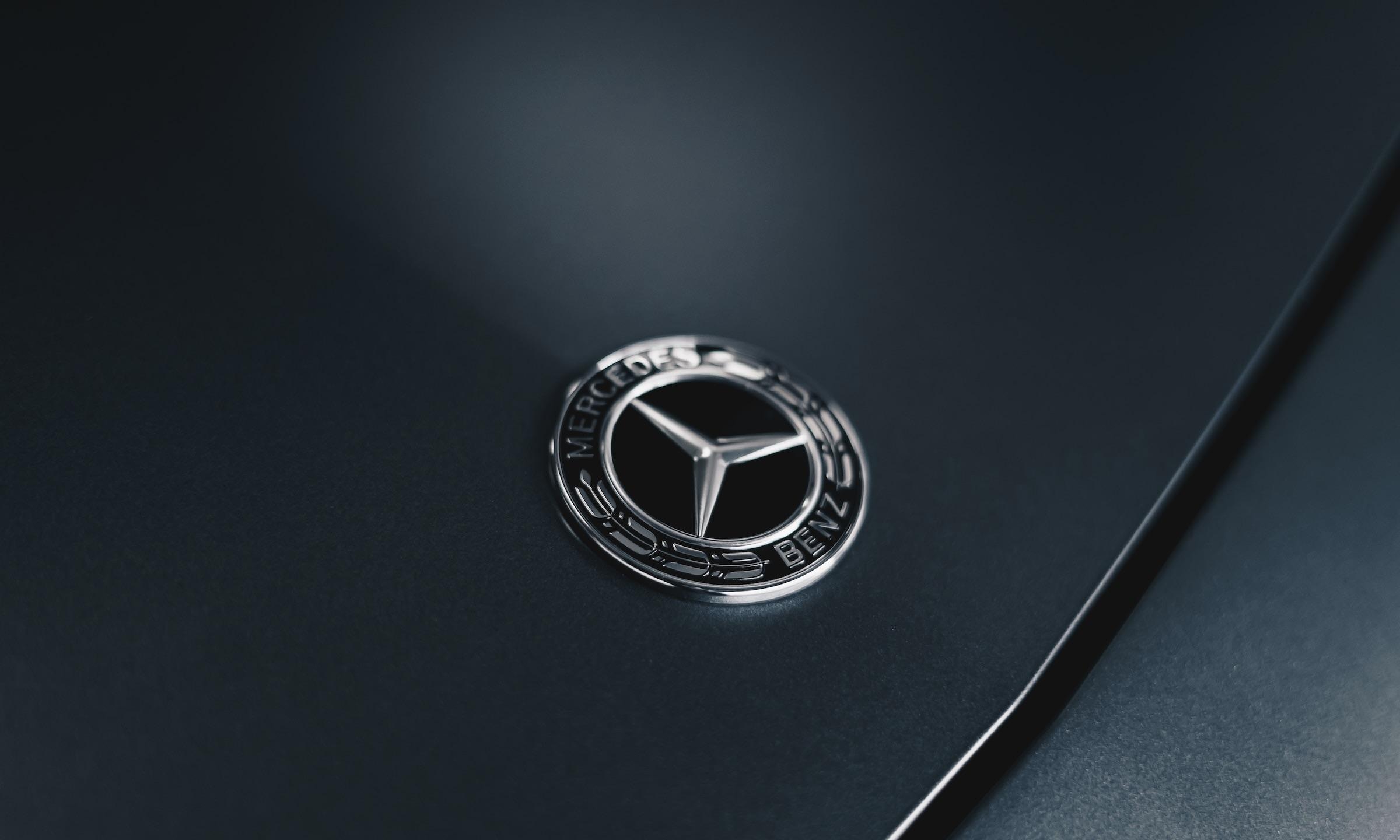
Mercedes-Benz acknowledges the intensifying competition in the electric vehicle (EV) market, with heavy price cuts and supply chain issues impacting their earnings. The luxury carmaker anticipates hitting the lower end of its 12-14% adjusted return on sales forecast,
In the third quarter, the company witnessed a decline in earnings.
Commitment to EV Targets and Margin Considerations
According to Reuters, Mercedes-Benz remains committed to its EV targets despite the hurdles. In an analyst call, the company's chief financial officer revealed they could enhance earnings by focusing on better returns from their combustion engine portfolio if EV margins fall below their previous assumptions. Financial Times noted that this strategic approach aims to balance the short-term challenges in the EV market.
The competitive landscape within the EV market is fierce, with traditional players selling battery electric vehicles at prices lower than those of internal combustion engine cars. Mercedes-Benz's representative, Harald Wilhelm, described this environment as "brutal." Furthermore, he expressed skepticism about the sustainability of the current status quo for all industry players.
Pricing Strategy and Margins
Unlike rivals, Mercedes-Benz has maintained its pricing strategy, focusing on higher margins rather than volume. The recent discounts offered in Germany during the fourth quarter do not reflect a shift in this strategy. The company emphasizes its commitment to prioritizing margin growth over sales volume.
Mercedes-Benz's shares experienced a significant decline, reaching their lowest point in nearly a year. As of 0733 GMT, they were the biggest fallers on the euro zone blue-chip index. Alongside Mercedes-Benz, other prominent carmakers, such as BMW and VW, also faced notable drops in their stock prices.
Carmakers worldwide have been implementing substantial price cuts throughout the year to stimulate demand. However, Mercedes-Benz has generally resisted following this strategy. The company seeks to uphold its premium positioning despite the challenges posed by global competitors.
Q3 Financial Performance
Mercedes-Benz reported a 12.4% adjusted return on sales in its cars division for the third quarter. Although this figure indicates a healthy margin, it represents a decline compared to previous periods. Earnings before interest and taxes across the group fell 6.8% to 4.8 billion euros ($5.1 billion), slightly above market consensus.
Despite the overall decline in earnings, Mercedes-Benz witnessed a significant increase in its vans division. Earnings from vans jumped by 44%, reaching 715 million euros with an adjusted return on sales of 15%.







