


 Nvidia Partners With Fanuc and Yaskawa to Accelerate AI Robotics in Japan
  Uber to Acquire Delivery Hero in $14.8 Billion Deal to Expand Global Food Delivery Business
  United Airlines Beats Q2 Earnings, Raises 2026 Profit Outlook Despite Higher Fuel Costs
  Trump Criticizes ABC, NBC and CNN for Limiting Coverage of Election Speech
  Moonshot Launches Kimi K3, China's Largest Open-Source AI Model
  Apple Intelligence Cleared for China as Alibaba and Baidu AI Power iPhone Features
  Eli Lilly Eyes AtaiBeckley Acquisition to Expand Psychedelic Mental Health Pipeline
  Jamie Dimon Warns Anthropic's Mythos AI Poses National Security Risks
  NTSB Leads Investigation Into Ryanair Boeing 737 Engine Failure Over Greece
  Airbus Signs Cloud Deal With Scaleway to Power Secure AI and Defense Applications
  Volvo Cars Q2 Profit Falls as Automaker Bets on EX60 EV to Drive Recovery
  NY Times Challenges Trump Administration Subpoenas Over Air Force One Report
  SpaceX Eyes Pentagon AI Deal as Cloud Pricing Strategy Pressures CoreWeave
  xAI Sues Man for Allegedly Using Grok to Generate AI Child Abuse Deepfakes
  Apple Intelligence China Approval Lifts Alibaba and Baidu Shares
  BHP Q4 Iron Ore Output Rebounds as Copper Prices Boost Revenue
  GameStop Raises eBay Stake to 9.8% as Ryan Cohen Pushes $56 Billion Takeover Bid


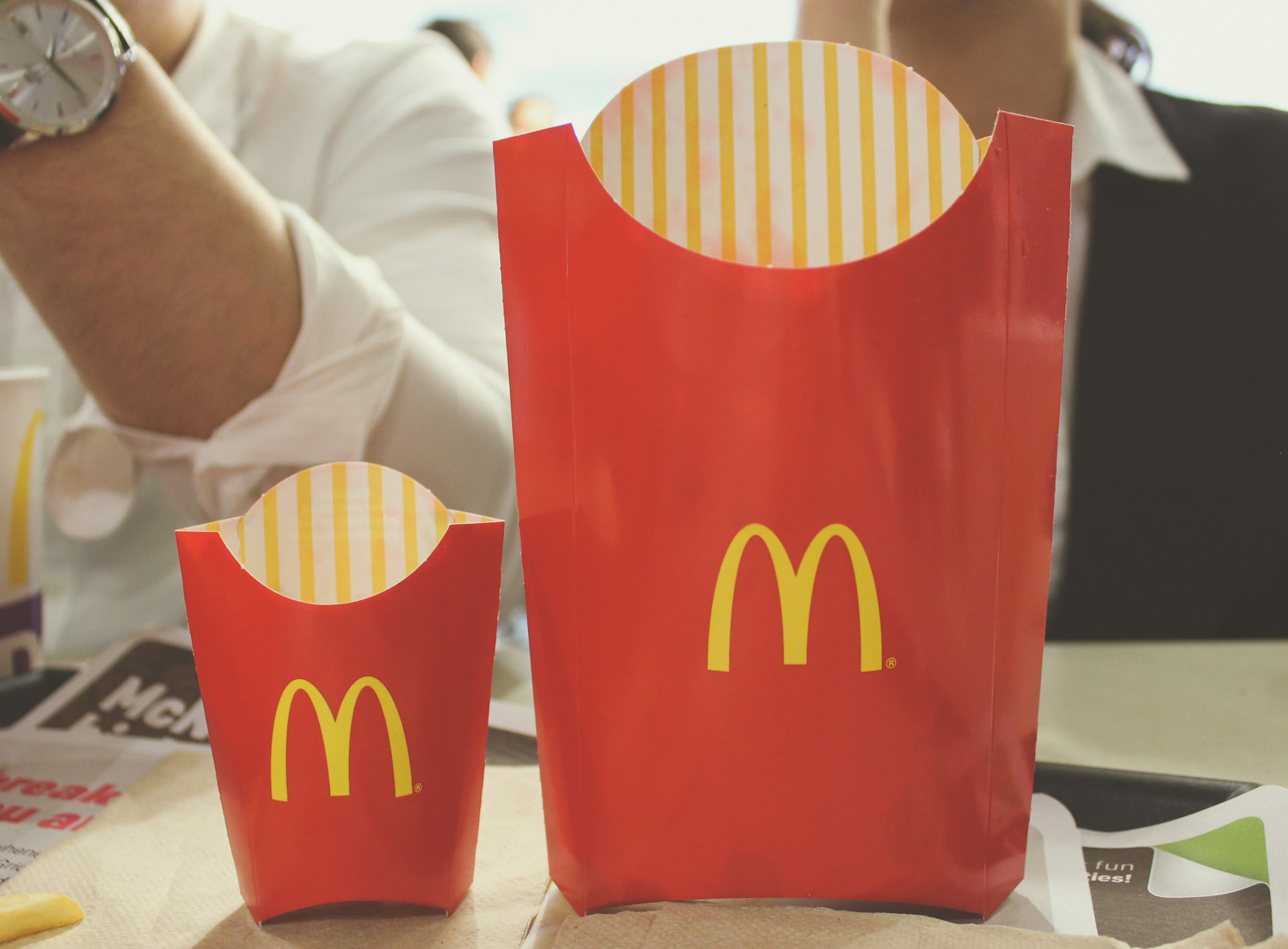
Executives at popular fast-food chains like McDonald's and Wendy's have expressed apprehension over potential declines in business from budget-conscious consumers. The escalating prices at fast-food establishments across the United States are causing ripples of concern among those with tighter financial constraints.
Impact on Low-Income Consumers
According to Reuters, a recent study revealed that approximately a quarter of low-income consumers earning less than $50,000 annually are reducing their fast-food consumption. Furthermore, about half of these individuals are cutting down on visits to fast-casual and full-service dining venues due to the economic strain caused by rising food prices.
Financial Strain and Dining Habits
TV 5 reported that the surge in food prices has resulted in budget-conscious diners scaling back on their dining expenses. Whether eating at home or in restaurants, food costs surged by 20% from January 2021 to January 2024, marking a record increase in prices.
Statistics highlight income disparities, with approximately one-third of Black American households and 21% of white American households earning less than $35,000 in 2022. This income variability underscores the financial challenges a significant portion of the population faces.
Shifting Business Strategies
In response to changing consumer behaviors, fast-food chains are adjusting their approaches to customer engagement. Rather than widespread menu reductions and broad discounts, companies are tailoring strategies to target specific consumer demographics or restrict promotions to designated meal times or channels.
Acknowledging the significance of the low-income consumer segment, fast-food giants like McDonald's focus on leveraging their "value menu" to attract price-sensitive customers. The emphasis lies on retaining the loyalty of individuals earning less than $45,000 annually.
Major fast-food brands are increasingly turning to loyalty apps as a strategic tool to enhance customer retention and spending. Loyalty programs enable chains to gather valuable transaction and demographic data, facilitating targeted marketing initiatives.
Market Variances and Consumer Behavior
Despite a general trend of reduced spending among low-income customers, not all fast-food chains are experiencing the same impact. Taco Bell reported stronger performance in low-income markets than in other locations, signaling varied consumer behaviors across different brands.
Amidst evolving consumer preferences and economic shifts, fast-food companies are reassessing their operational strategies to navigate the industry's dynamic landscape. Maintaining a delicate balance between profitability and consumer appeal remains a key priority for industry players.
Photo: Crystal Jo/Unsplash







