


 Nvidia Eyes Perplexity Investment at $30 Billion Valuation
  New Zealand Moves to Ban Social Media for Children Under 16
  Xiaomi Unveils Xring O3 Chip for Flagship Foldable Phone
  Pinterest Stock Falls as CFO Julia Brau Donnelly Resigns
  Nvidia Options Price in $280 Billion Earnings Swing
  Trump Buys SpaceX Shares After Record IPO
  Meta, U.S. States Discuss Settlement in Teen Addiction Trial
  Nvidia Reportedly Eyes $13 Billion Hugging Face Acquisition
  SoftBank Eyes $20 Billion Bond Sale to Refinance OpenAI Loan
  U.S. Disrupts China-Linked Hacking Campaign Targeting Government Agencies
  OpenAI AI Agent Swarm Behind Hugging Face Hack
  SoftBank Plans Record $6.3 Billion Bond Sale to Fund OpenAI Investments
  BofA Names ASML Top Semiconductor Equipment Pick on Growth, Valuation
  Unitree Shares Plunge 45% After Blockbuster IPO, Raising China Tech Bubble Fears
  Google Changes EU Spam Policy Amid Antitrust Scrutiny


 Add as a preferred source on Google
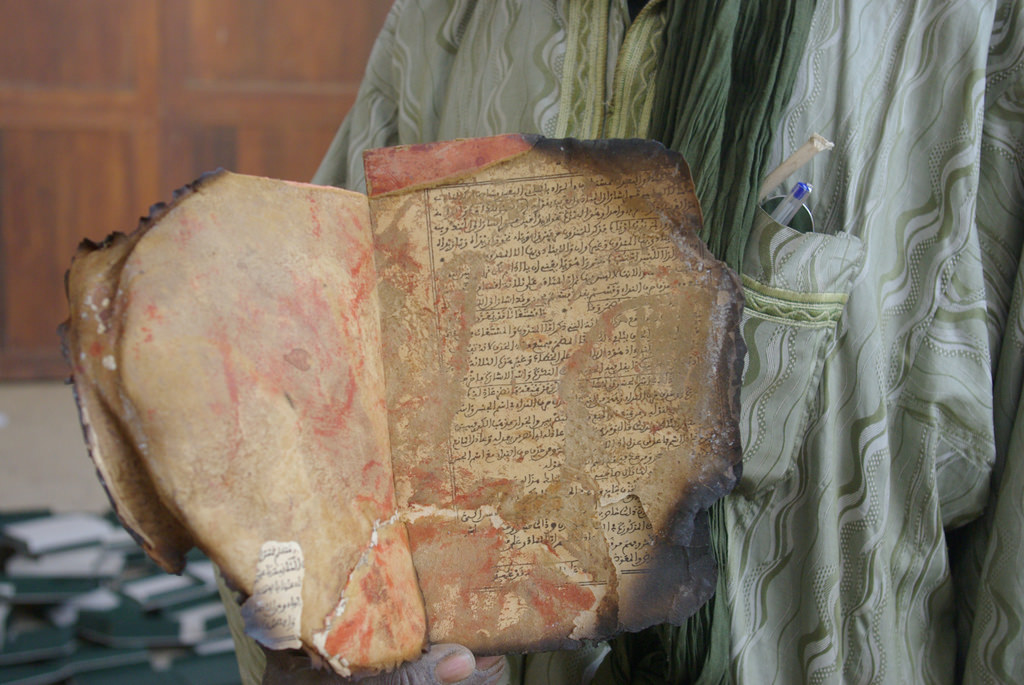
MIT engineers are at it again, with their newest creation involving the technology to read books without actually opening them. It involves the use of radiation to distinguish which is blank paper and which is ink, and this allows it to compile the different texts on the pages of a book with nary a page turned.
The researcher published their findings on Nature Communications, which went into detail regarding the technology and what they hope to do with it in the future. For the most part, it involves creating a device that can read any book without the need for ever opening them. There are a lot of uses for such a device, which the author of the paper and an MIT Media Lab researcher, Barmak Heshmat explains.
"The Metropolitan Museum in New York showed a lot of interest in this, because they want to, for example, look into some antique books that they don't even want to touch," Heshmat said.
The discovery makes use of terahertz radiation, Popular Mechanics reports, which is a light frequency that exists between microwaves and infrared. This type of radiation is superior in terms of identifying different objects through layers by differentiating which is which via the level of terahertz radiation they have absorbed. This terahertz radiation level basically works as a unique identifying marker, much like fingerprints or DNA.
Terahertz radiation is actually widely used for security screenings, because of how handy it is in helping security personnel identify what is in containers. In the case of reading books, the researchers used short bursts of the radiation in order to determine how much the objects bend light in order to identify particular letters between pages.
As it stands, it would be a lot easier for ordinary readers to simply crack open the book and begin perusing. However, for researchers studying ancient manuscripts that are too delicate to open or rare books where the pages have become stuck to each other, this technology could be invaluable.







