


 Kraken Parent Payward Adds 24/7 Settlement With Singapore Gulf Bank
  Euro Hits 17-Month Low as France Debt Fears Boost Dollar
  Gold Prices Slip as Strong Dollar and High Treasury Yields Weigh
  Huawei, Qualcomm Sign Multi-Year AI and 5G Patent Deal
  India-US Trade Deal Talks Hit Plateau, Sitharaman Says
  Bajaj Finance Shares Rise 3.4% as AUM Jumps 27%
  Berenberg Rates Domino’s Pizza ‘Buy’ on Chick ’N’ Dip Growth
  Asian Stocks Rally as Soft US Jobs Data Boosts Tech
  Firmus Grid IPO Draws Strong Demand, Nvidia and Blackstone Could Raise Stakes
  Gold Prices Rise as Weak US Jobs Data Cuts Fed Hike Bets
  China Shuts 670 Banks as Bitcoin Eyes Financial Risks
  OPEC+ Expected to Hold November Oil Output Quotas Steady
  Zcash Mining Profits Surge as Liquidity Risks Grow
  Samsung, SK Hynix Shares Fall Ahead of Q3 Earnings
  RBI Rate Hike Bets Surge as Inflation Rises


 Add as a preferred source on Google
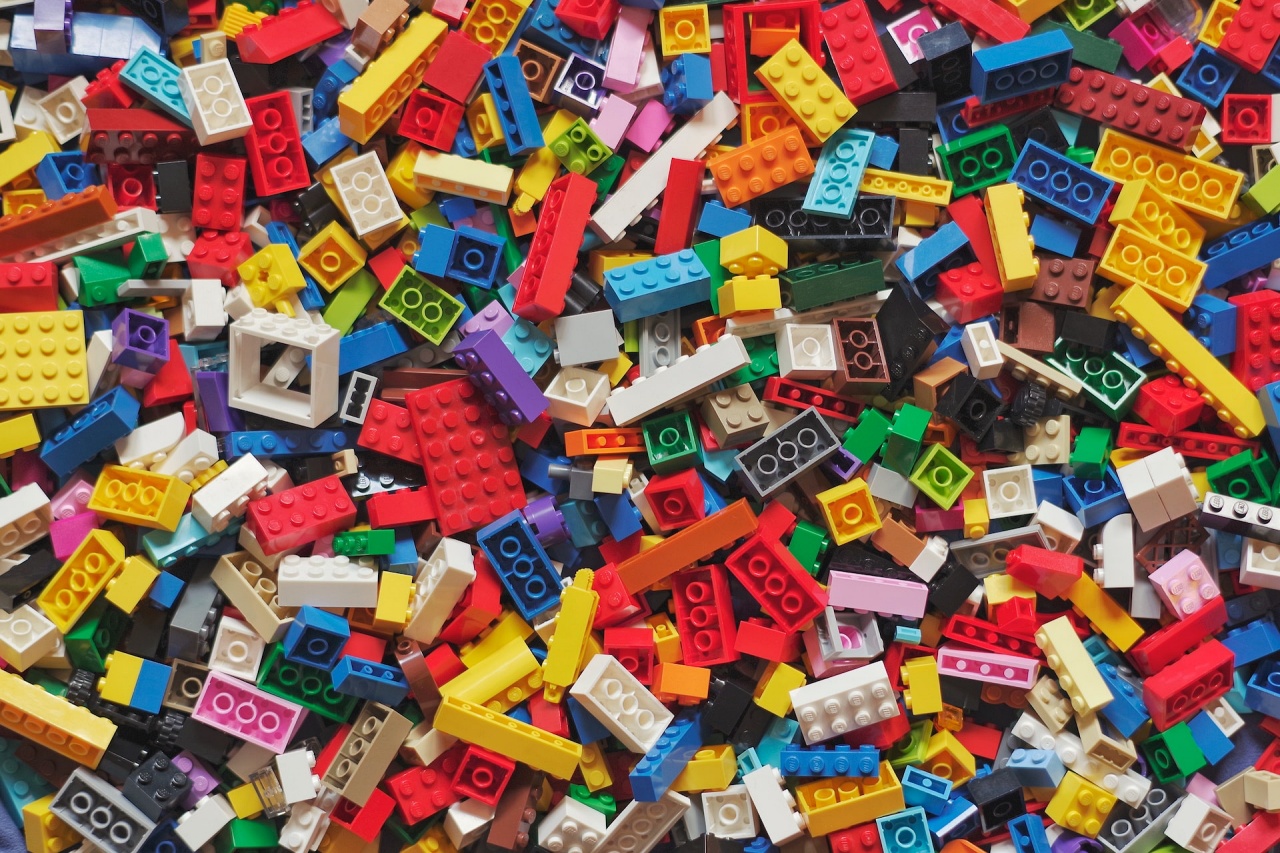
The Lego Group backtracks on its oil-free toy bricks initiative, citing higher carbon emissions from recycled material. CEO Niels Christiansen highlights challenges in finding a sustainable alternative to their oil-based plastic.
Lego will no longer follow through with its scheme of making its toy bricks oil-free. The Danish toymaker abandoned this sustainability project as its carbon emissions increased instead of going lower.
The company explained it discovered that its new material made from recycled bottles had a bigger carbon footprint, which means higher carbon emissions. Many companies are searching for sustainability, and Lego apparently failed with its own venture.
According to The Financial Times, the plastic bricks toymaker announced in 2020 that it tested a prototype brick that was formed using recycled plastic bottles, which substituted the oil-based Acrylonitrile Butadiene Styrene (ABS), which is said to be currently being used in around 80% of the billions of pieces the company produces per year.
Lego’s chief executive officer, Niels Christiansen, said that using recycled polyethylene terephthalate (RPET) bottles they tested as a substitute would produce higher carbon emissions throughout the bricks’ lifetime, so the plan has been deactivated.
The Denmark-based company said that rather than the RPET, it will just try to improve the carbon footprint of ABS over time. The firm admitted this material requires about 2 kilograms of petroleum to manufacture 1 kilogram of plastic.
Meanwhile, Energy Portal reported that Lego’s decision to continue with oil-based plastics shows the difficulties of transitioning from conventional plastic materials to sustainable alternatives.
“In the early days, the belief was that it was easier to find this magic material or this new material that would solve the sustainability issue,” Lego’s CEO said. “But that does not seem to be there. We tested hundreds and hundreds of materials. It’s just not been possible to find a material like that.”
Photo by: Xavi Cabrera/Unsplash







