


 Morgan Stanley Names Marks & Spencer Top European Retail Pick, Sees Strong Upside
  DOJ Grand Jury Investigates UAW President Shawn Fain Ahead of Union Election
  Paramount-Warner Bros. Discovery Merger Faces Lawsuit From 12 States
  SK Hynix Soars 13% in Nasdaq Debut After Record $26.5 Billion IPO
  AstraZeneca Shares Sink After Wainua Trial Misses Key Heart Disease Goal
  Samsung to Launch First Yongin Chip Plant by 2029 as South Korea Speeds Up Semiconductor Hub
  Fast Retailing Raises Full-Year Forecast After Uniqlo Owner Beats Q3 Profit Estimates
  TSMC Q2 Revenue Surges 36% as AI Chip Demand Powers Growth Ahead of Earnings
  Morgan Stanley Says China’s Reusable Rocket Progress Poses Long-Term Challenge to SpaceX
  Genesis Minerals to Acquire Vault in A$5.6 Billion Deal After Regis Withdraws
  SK Hynix Prices Record U.S. ADR Offering at $149 After $200 Billion Investor Demand
  Muji Owner Ryohin Keikaku Stock Soars After Raising Full-Year Earnings Forecast
  Oppenheimer Sees CNH Industrial as Top 2026 Agriculture Stock Pick on Dealer Consolidation Strategy
  Australia Flags Child Safety Gaps at Apple, Meta, Google Over Online Sexual Extortion
  OpenAI Executive Fidji Simo to Step Down Amid Health Challenges Ahead of IPO
  Levi Strauss Raises 2026 Outlook After Q2 Earnings Beat, Shares Drop Despite Strong Results
  Kitron Q2 Revenue Beats Estimates as Defense Demand Lifts Growth


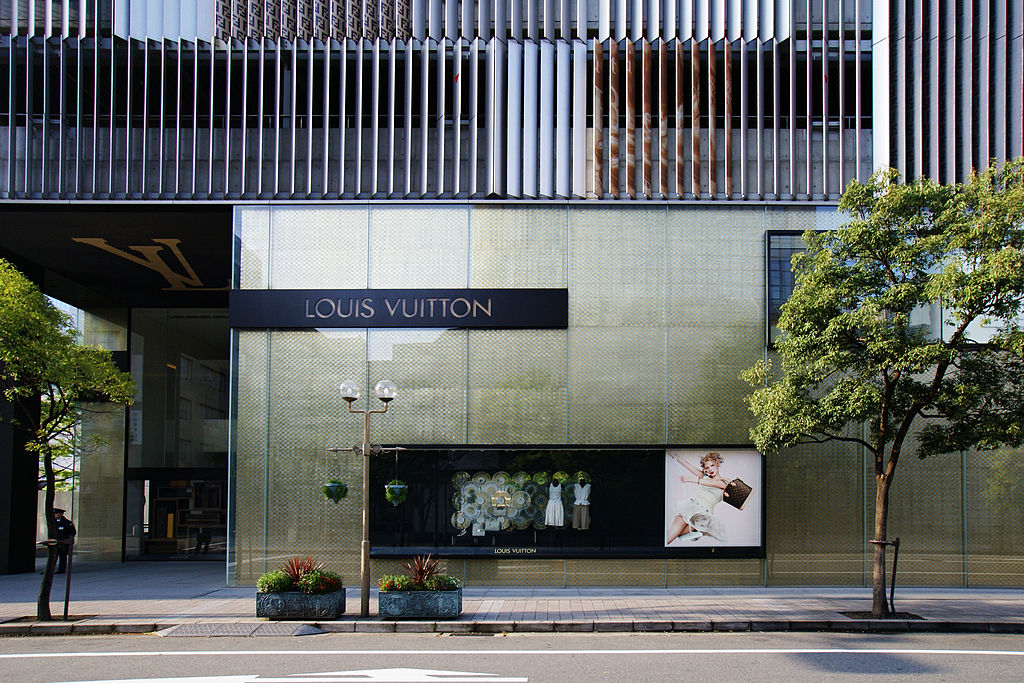
Some LVMH shareholders are increasingly concerned about the lack of transparency surrounding succession planning at the world’s largest luxury group, warning that the issue could become a growing governance risk. Bernard Arnault, the 76-year-old chairman and CEO who has led LVMH for nearly four decades, has yet to name a successor despite overseeing a $350 billion luxury empire that includes more than 70 prestigious brands such as Louis Vuitton, Dior, and Tiffany & Co.
Arnault has five children actively involved in the business, fueling ongoing speculation about who might eventually take over leadership. However, no clear succession plan has been communicated to investors. Last April, Arnault extended the age limit for his combined CEO and chair role to 85, marking the second such extension and prompting renewed scrutiny from shareholders and analysts. Many investors view the move as an attempt to buy time rather than a signal of clarity.
Several institutional investors told Reuters that the unclear succession strategy is now a material risk factor. Fund managers from Deutsche Bank’s DWS and Edmond de Rothschild noted that the opacity around leadership transition is contributing to what they describe as a “governance discount” on LVMH’s share price. Investors also expressed concern over the absence of a publicly known emergency or interim leadership plan in the event of sudden change.
LVMH maintains that succession plans do exist but are not disclosed publicly, adding that they account for both medium-term transitions and unexpected events. Arnault himself has downplayed the urgency of the issue, suggesting in a recent interview that discussions can wait another decade.
Regulatory filings from a 2022 restructuring show that Arnault’s five children each hold equal stakes in a new holding entity that will assume control when he steps down, with decisions made by majority vote. Governance experts warn that this structure could lead to internal tensions or decision-making deadlock over time.
While most shareholders supported the recent age-limit extension, some prominent investors abstained or voted against it, citing concerns over succession transparency. As Arnault continues to delay naming a successor, market scrutiny is expected to intensify, potentially weighing on LVMH’s valuation and long-term investor confidence.







