


 U.S. Lawmakers to Review Unredacted Jeffrey Epstein DOJ Files Starting Monday
  China Overturns Death Sentence of Canadian Robert Schellenberg, Signaling Thaw in Canada-China Relations
  Bangladesh Election 2026: A Turning Point After Years of Political Suppression
  Trump Administration Appeals Court Order to Release Hudson Tunnel Project Funding
  New York Legalizes Medical Aid in Dying for Terminally Ill Patients
  Sydney Braces for Pro-Palestine Protests During Israeli President Isaac Herzog’s Visit
  Trump Slams Super Bowl Halftime Show Featuring Bad Bunny
  Israel Approves West Bank Measures Expanding Settler Land Access
  Trump Allows Commercial Fishing in Protected New England Waters
  Anutin’s Bhumjaithai Party Wins Thai Election, Signals Shift Toward Political Stability
  Nicaragua Ends Visa-Free Entry for Cubans, Disrupting Key Migration Route to the U.S.
  Trump’s Inflation Claims Clash With Voters’ Cost-of-Living Reality
  Jack Lang Resigns as Head of Arab World Institute Amid Epstein Controversy
  Taiwan Says Moving 40% of Semiconductor Production to the U.S. Is Impossible
  China Warns US Arms Sales to Taiwan Could Disrupt Trump’s Planned Visit
  Japan Election 2026: Sanae Takaichi Poised for Landslide Win Despite Record Snowfall
  India–U.S. Interim Trade Pact Cuts Auto Tariffs but Leaves Tesla Out


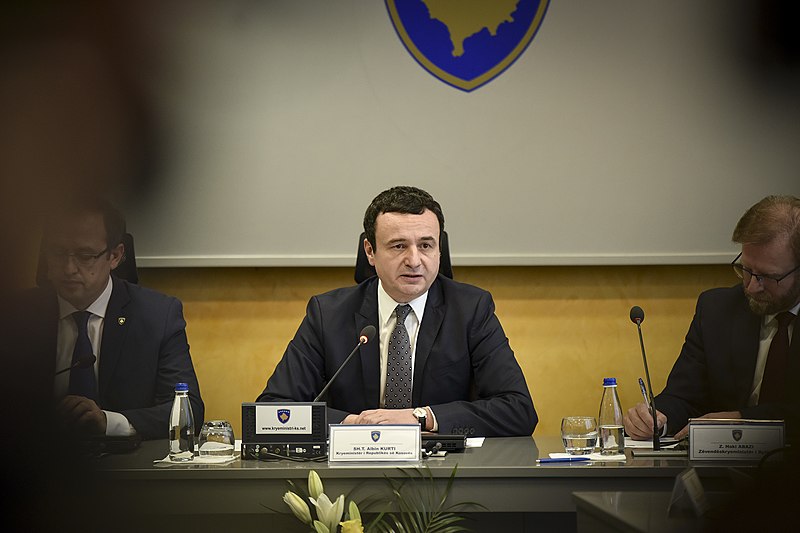
The leaders of Kosovo and Serbia met in Brussels for talks to normalize ties while implementing the European Union’s 11-point normalization plan. However, the bloc’s foreign policy chief said the talks did not come to an agreement between both sides in easing the tensions in Northern Kosovo.
Serbian President Aleksandar Vucic and Kosovan Prime Minister Albin Kurti sat down for talks in Brussels with EU foreign policy chief Josep Borrell overseeing the discussions. The leaders were expected to discuss establishing a body made up of predominantly Serb municipalities in Kosovo, which gained independence in 2008 but Belgrade has refused to recognize. Kosovo’s overall population is over 90 percent ethnic Albanian.
Both sides were also expected to address the issue of over 1,600 people that still remain missing since the 1998-1999 Kosovo War, which broke out when ethnic Albanian separatists rebelled against Serbia and resulted in Belgrade enforcing a brutal crackdown. Around 13,000 people died from the conflict, most of which were also ethnic Albanians. By 1999, an intervention by the NATO Alliance forced Serbia to withdraw from the territory.
The proposal put forward by the bloc included normalizing ties between Serbia and Kosovo with their future paths toward gaining EU membership. Following Russia’s invasion of Ukraine in February last year, the EU and the United States have been intervening to ease tensions between the two nations.
A point of contention between the two sides was Serbia’s insistence that Kosovo implements the 2013 agreement that would establish an association of Northern Kosovo municipalities that have predominantly Serb populations. The Kosovan Constitutional Court has ruled such a plan was unconstitutional. Belgrade said that progress in the talks could only be made if the issue is addressed.
Vucic has since criticized Western officials, calling them liars and frauds and saying that the Serb minority would no longer tolerate foreign “occupation.”
The talks, however, did not result in any breakthrough, according to Borrell on Tuesday. Borrell also warned that any escalation would undermine the EU-brokered deal that aimed to normalize relations between the two nations. During the meeting between Vucic and Kurti, Borrell expressed “grave concern about the situation in north Kosovo” following the recent elections that produced a low turnout.
Borrell also urged both sides to compromise.













