


 Trump Lifts 25% Tariff on Indian Goods in Strategic U.S.–India Trade and Energy Deal
  Japan Election 2026: Sanae Takaichi Poised for Landslide Win Despite Record Snowfall
  China Warns US Arms Sales to Taiwan Could Disrupt Trump’s Planned Visit
  Netanyahu to Meet Trump in Washington as Iran Nuclear Talks Intensify
  U.S.-India Trade Framework Signals Major Shift in Tariffs, Energy, and Supply Chains
  Trump Signs Executive Order Threatening 25% Tariffs on Countries Trading With Iran
  U.S. Lawmakers to Review Unredacted Jeffrey Epstein DOJ Files Starting Monday
  Ohio Man Indicted for Alleged Threat Against Vice President JD Vance, Faces Additional Federal Charges
  Trump Endorses Japan’s Sanae Takaichi Ahead of Crucial Election Amid Market and China Tensions
  South Korea Assures U.S. on Trade Deal Commitments Amid Tariff Concerns
  Jack Lang Resigns as Head of Arab World Institute Amid Epstein Controversy
  Iran–U.S. Nuclear Talks in Oman Face Major Hurdles Amid Rising Regional Tensions
  Trump Backs Nexstar–Tegna Merger Amid Shifting U.S. Media Landscape
  India–U.S. Interim Trade Pact Cuts Auto Tariffs but Leaves Tesla Out
  Trump Says “Very Good Talks” Underway on Russia-Ukraine War as Peace Efforts Continue
  Missouri Judge Dismisses Lawsuit Challenging Starbucks’ Diversity and Inclusion Policies
  TrumpRx.gov Highlights GLP-1 Drug Discounts but Offers Limited Savings for Most Americans


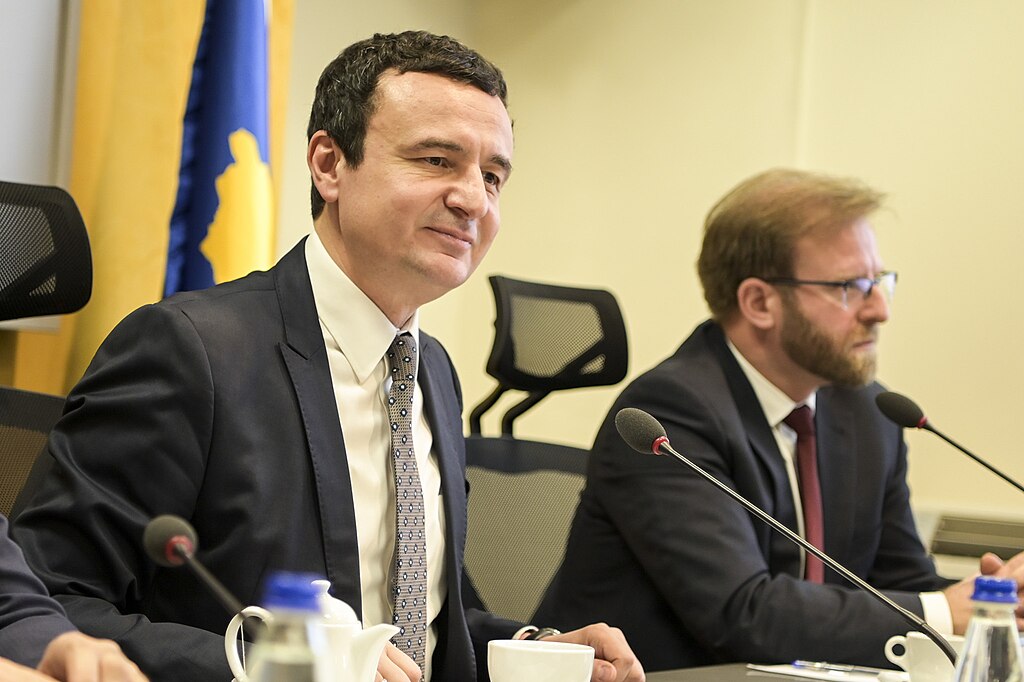
Kosovo Prime Minister Albin Kurti has announced plans to swiftly form a new government after his Vetevendosje party emerged as the clear winner in Sunday’s parliamentary election, raising hopes of ending a prolonged political stalemate that has stalled reforms and delayed crucial international funding.
With 99% of ballots counted, Vetevendosje secured around 49.3% of the vote, stopping just short of an outright majority in Kosovo’s 120-seat assembly. This marks Kosovo’s second election of the year, following months of failed coalition negotiations after Kurti’s party fell short of a majority in February. The deadlock ultimately led President Vjosa Osmani to dissolve parliament in November and call an early vote.
Speaking at a press conference in Pristina, Kurti said that once the election results are certified, parliament should be constituted quickly so a new government can be formed without delay. He emphasized the urgency of moving forward, particularly as Kosovo faces pressing economic and political challenges. Kurti also appealed to opposition lawmakers to back international loan agreements that require a two-thirds parliamentary majority, warning that Kosovo cannot afford further delays.
Celebrations erupted in the capital as Kurti’s supporters gathered in freezing temperatures, waving party flags and setting off fireworks. However, political analysts caution that forming a government may still require coalition partners, as conditional ballots and votes from the Kosovo diaspora have yet to be fully counted. Experts say Kurti may need support from smaller Albanian or minority parties to secure the 61 seats needed for a governing majority.
The main opposition parties, the Democratic Party of Kosovo and the Democratic League of Kosovo, trailed with about 21% and 13.6% of the vote, respectively. Both have been critical of Kurti’s approach to relations with Western allies and his policies in Kosovo’s Serb-majority north.
The stakes are high, as Kosovo must soon elect a new president and ratify around €1 billion in European Union and World Bank loans that are set to expire. With voter turnout at 45%, the election outcome reflects both public frustration and cautious optimism. As Kosovo continues to grapple with economic hardship, regional tensions, and EU sanctions linked to disputes with Serbia, Kurti’s ability to form a stable government will be crucial for the country’s political and economic future.













