


 GameStop Raises eBay Stake to 9.8% as Ryan Cohen Pushes $56 Billion Takeover Bid
  BHP Q4 Iron Ore Output Rebounds as Copper Prices Boost Revenue
  SpaceX Eyes Pentagon AI Deal as Cloud Pricing Strategy Pressures CoreWeave
  Uber to Acquire Delivery Hero in $14.8 Billion Deal to Expand Global Food Delivery Business
  Airbus Signs Cloud Deal With Scaleway to Power Secure AI and Defense Applications
  Sam Altman Admits OpenAI Missteps, Promises Major AI Comeback Focused on User Freedom
  Moonshot Launches Kimi K3, China's Largest Open-Source AI Model
  NTSB Leads Investigation Into Ryanair Boeing 737 Engine Failure Over Greece
  UBS Boosts China Tech Bets, Adds Kuaishou and Meituan to Focus List
  Volkswagen Launches €28,000 ID. Cross EV as Europe’s Electric Vehicle Demand Accelerates
  Netflix Stock Drops After Weak Q3 Outlook Overshadows Mixed Q2 Earnings
  Apple Intelligence Cleared for China as Alibaba and Baidu AI Power iPhone Features
  Hyundai Takes Full Control of Boston Dynamics to Accelerate Humanoid Robot and AI Strategy
  Mikron H1 2026 Sales Fall 5.9% as Automation Weakness Weighs on Profit
  Alibaba Stock Jumps as China Approves Apple Intelligence Powered by Qwen AI
  Apple Intelligence China Approval Lifts Alibaba and Baidu Shares
  Sodexo Unveils Shift & Grow 2030 Strategy, Targets Over 5% Revenue Growth by Fiscal 2030


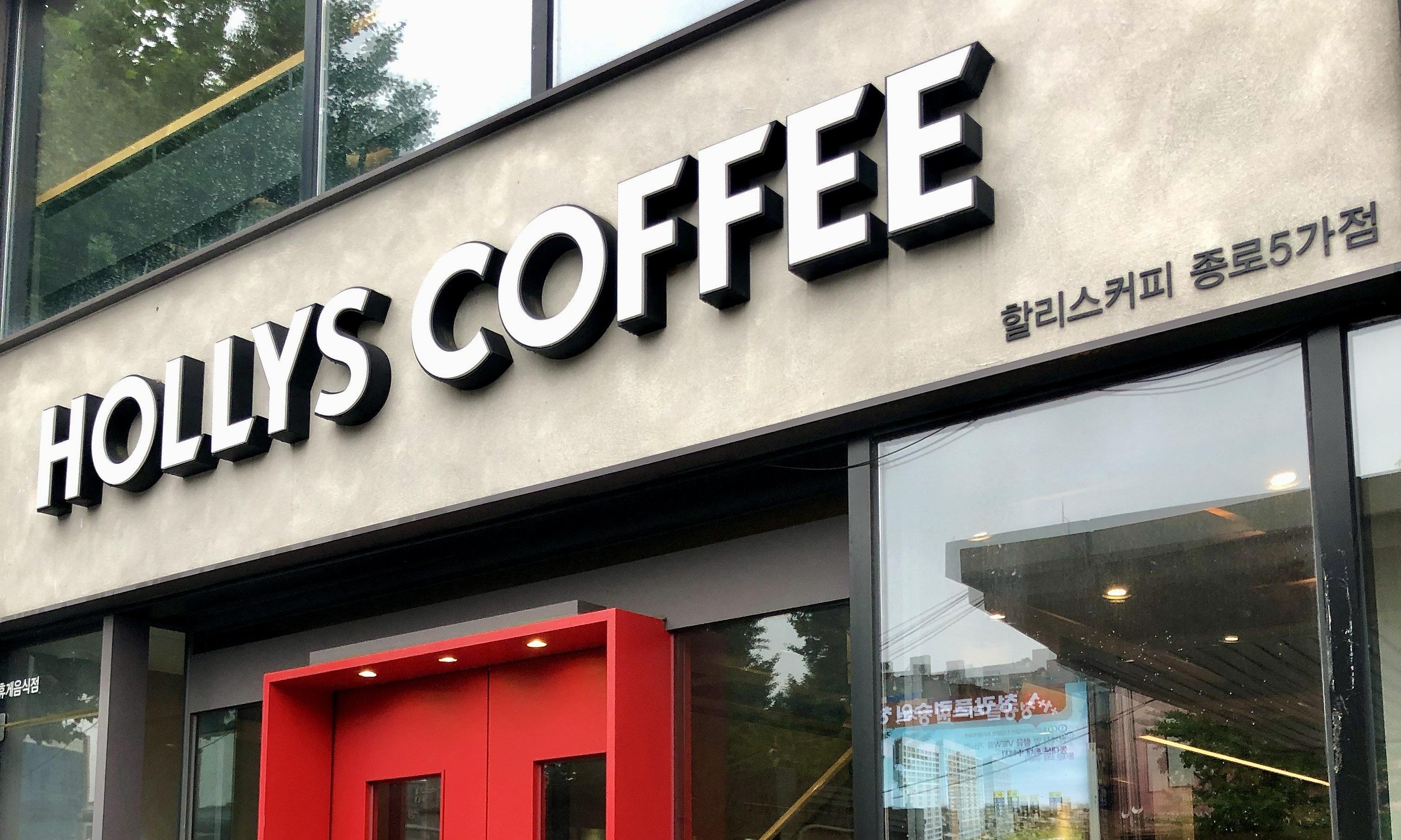
In a strategic shift, an increasing number of South Korean food and beverage franchises are choosing Japan for their overseas ventures, eschewing traditional hotspots like China and North America.
As revealed by industry insiders on Monday, this decision is primarily fueled by the burgeoning allure of the Korean lifestyle in Japan, a nation once regarded as unwelcoming to international dining chains.
Popularity Paves the Way
Mom's Touch, a Korean chicken sandwich franchise set to inaugurate its first directly managed store in Tokyo this month, exemplifies the pivot to Japan. According to the Korea Times, this move comes after a highly successful pop-up event in the Japanese capital last October, drawing over 33,000 visitors in just three weeks. The new establishment will be in Shibuya, taking over a location that has hosted a McDonald's outlet for nearly four decades.
Strategic Shifts
Mom's Touch's venture into Japan marks a notable change in its international strategy. Due to increasing losses, the brand retracted from several markets, including Vietnam, Taiwan, the US, Singapore, and the Philippines. However, it has cautiously resumed international expansion. This venture into Japan represents its first endeavor to operate a store abroad directly, and plans are underway to partner with a Japanese entity for franchised operations.
Cultural Integration and Expansion
With Japan's hamburger market valued at 7 trillion won ($5.1 billion), Mom's Touch aims to leverage the nation's sophisticated dining culture and broaden its international footprint. Lee Jong-hyun, CEO of Hollys, another Korean brand eyeing expansion, shared similar sentiments. According to KED Global, Hollys will introduce Korea's vibrant coffee culture to Japan, starting with its first store in Osaka's Namba Marui Department Store.
Similarly, Blu Shaak, a Busan-based coffee shop, plans to capture the hearts of Japan's youth with its Korean coffee and desserts, beginning with its inaugural Shibuya branch.
Capitalizing on the Hallyu Wave
These expansions are buoyed by the "fourth Korean wave," propelled by the international success of Korean entertainment content. The Korea Trade-Investment Promotion Agency (KOTRA) notes that Korean food enjoys substantial recognition among Japanese consumers, thanks in part to its portrayal in dramas, films, and online content.
This familiarity and fondness, especially among Japanese women, present a fertile ground for Korean franchises. Additionally, the Korea Agro-Fisheries & Food Trade Corp. suggests tapping into the interests of Japanese men through popular Korean games and dramas to widen their customer base.
As Korean franchises like Mom's Touch, Hollys, and Blu Shaak make inroads into the Japanese market, they are not just selling food or coffee but embedding Korean culture into the fabric of Japanese society, leveraging the sustained popularity of the Korean lifestyle.








