


 Salesforce Shares Surge as AI Demand Powers Q2 Earnings Beat
  New Zealand Moves to Ban Social Media for Children Under 16
  Samsung Shares Tumble 8% as $79 Billion Return Plan Disappoints
  Countries Tighten Social Media Bans for Children
  Meta Agrees to $18 Billion Settlement, Tightens Teen Social Media Rules
  SK Hynix Shares Fall as Workers Reject Wage Deal
  Trump Buys SpaceX Shares After Record IPO
  Google Changes EU Spam Policy Amid Antitrust Scrutiny
  U.S. Disrupts China-Linked Hacking Campaign Targeting Government Agencies
  PayPal Shares Sink as $50 Billion Takeover Bid Collapses
  Nvidia Pauses AI Cloud Financing Deals Amid Antitrust Concerns
  Luxshare Shares Rise as First-Half Profit Jumps 18%
  OpenAI Data Center Chief Chris Malone Exits Ahead of Planned 2027 Listing
  Xiaomi Unveils Xring O3 Chip for Flagship Foldable Phone
  BofA Names ASML Top Semiconductor Equipment Pick on Growth, Valuation


 Add as a preferred source on Google
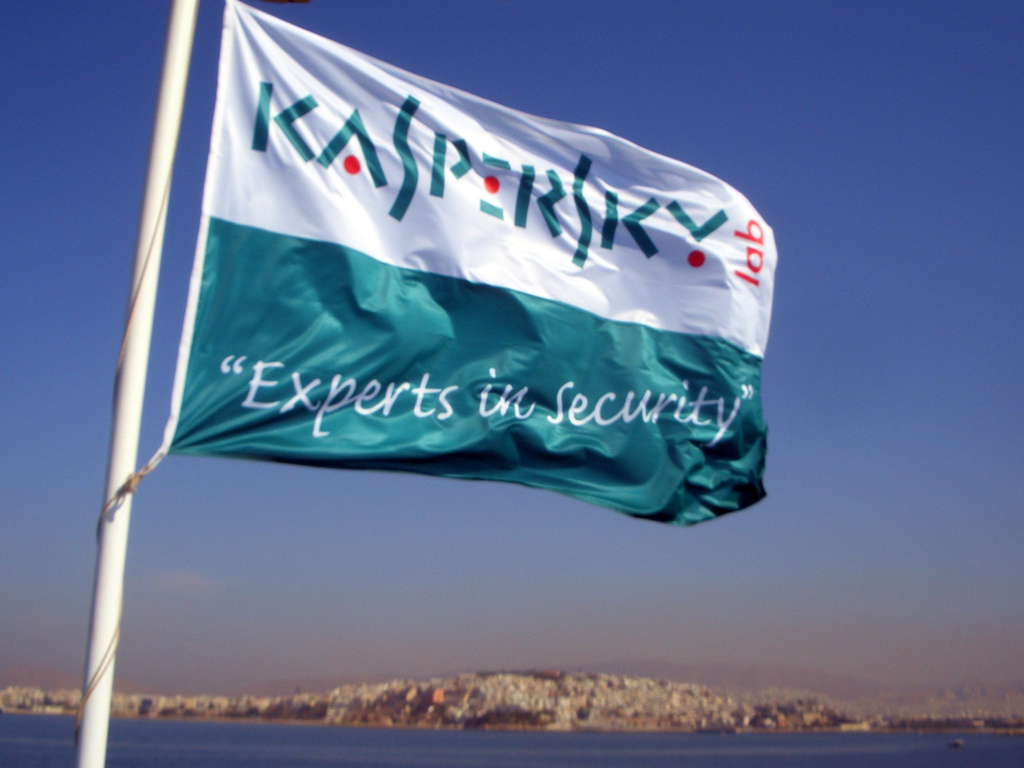
As one of the most well-known paid antivirus software providers in the market, Kaspersky has earned the reputation of being one of the most reliable anti-hacking tools around. In response to the recent worries caused by the Russian hacking scandal, the company is releasing a version of its antivirus software that’s free of charge.
According to the announcement post with regards to the free antivirus software, the US will be the first to try it out, with the rest of the world needing to wait four months for it to be available everywhere else. It’s worth noting that this software will be essentially bare bones, so users can’t expect the premium features to be included. Those will cost a good $50 to get.
“The roll-out won’t be fully global instantaneously; it’s going to be done over four months in waves as per different regions,” the post reads. “The first wave will be the U.S.A., Canada, and many of the Asia Pacific countries. September: India, Hong Kong, Middle East, Africa, Turkey and Latin America. October: Europe, Japan and South Korea. November: Vietnam and Thailand. And that, I do believe, will be it – the whole planet covered.”
Then again, those who are unsatisfied with their current antivirus tool might want to give the Kaspersky software a try since it still packs a nice set of features. There is the email and computer virus protection, as well as the ability to quarantine infected files. Automated updates will also be available, Tech Crunch reports.
As to what users are missing out on with the premium version, there’s the virtual private network (VPN) for secure browsing, parental controls for those who have kids, and boosted security for online financial transactions. It would seem that the company decided to release this version in order to provide users all over the world with a little reassurance with regards to the Russian hacking trend.







