


 Trump's Signature to Appear on U.S. Currency Starting Summer 2025
  Ukraine-Russia War: Frontline Updates as Spring Offensive Looms
  Russia Accused of Helping Iran Target U.S. Forces, European Powers Tell G7
  Kristi Noem Ends Western Hemisphere Tour in Diminished Role After DHS Firing
  Iran Allows Oil Tankers Through Strait of Hormuz Amid U.S. Negotiations
  Trump Seeks Quick End to U.S.-Iran Conflict Amid Ongoing Middle East Tensions
  Iran-U.S. Negotiations: Tehran Reviews American Peace Proposal Amid Ongoing Gulf Conflict
  Iran Demands Lebanon Be Part of Any Ceasefire Deal With Israel and the U.S.
  US Accelerates Taiwan Arms Deliveries Amid Rising China Threat
  Russia Strikes Kharkiv and Izmail as Cross-Border Drone War Escalates
  G7 Foreign Ministers Gather in France Amid Global Tensions and U.S. Policy Uncertainty
  Taiwan Arms Deal on Track Despite U.S.-China Summit Uncertainty
  Russia-Iran Military Alliance Deepens With Drone Shipments Amid Middle East Tensions
  China Opens Door to Stronger U.S. Trade Ties Amid Rising Tensions
  California Renames Cesar Chavez Day to Farmworkers Day Following Sexual Abuse Allegations
  Trump's Overhaul of American History: Museums, Monuments, and Cultural Institutions
  Trump Administration Settles Lawsuit Barring Federal Agencies from Pressuring Social Media Censorship


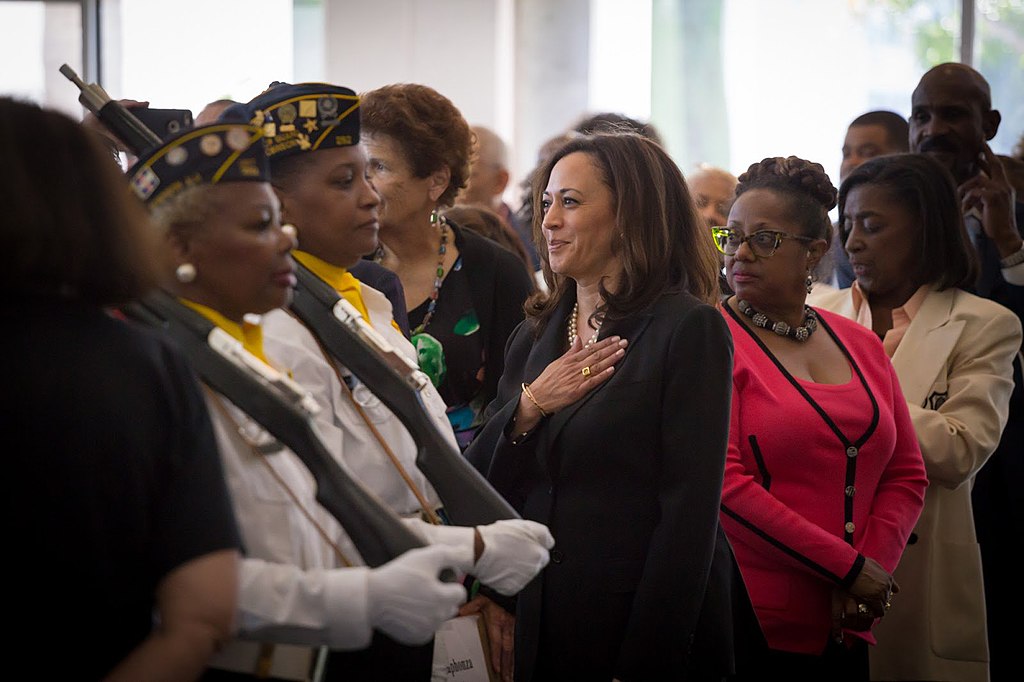
Vice President Kamala Harris has repeatedly emphasized her middle-class background, proudly highlighting her upbringing as a key part of her identity. However, as she continues to speak about her roots, critics are accusing Harris of failing the very people she claims to represent. Many argue that her policies have done more harm than good for the middle class, sparking controversy over her leadership.
In numerous speeches and public appearances, Harris has made a point to mention her middle-class upbringing, often using it as a way to connect with everyday Americans. “I’m proud of where I come from, and I know what it means to work hard,” she said at a recent event. Harris has positioned herself as a leader who understands the struggles of working-class families and claims her policies are designed to lift them up.
Yet, despite her rhetoric, critics argue that Harris’s policies, particularly during her time as vice president, have had a negative impact on the middle class. From inflation to increased taxes and economic policies that some say favor the wealthy, Harris has faced growing criticism for failing to deliver on her promises to working Americans. “For someone who’s so proud of her middle-class roots, she’s done a lot to hurt them,” one political analyst remarked.
One of the most controversial aspects of Harris’s leadership is the economic strain that middle-class families have experienced under the current administration. Inflation has risen sharply, leading to higher costs for everyday goods and services, from groceries to gas. Critics argue that the administration’s economic policies, including spending plans and tax increases, have disproportionately affected middle-income households, making it harder for them to keep up with rising expenses.
In addition, Harris’s involvement in pushing for policies like the expanded child tax credit and infrastructure spending has sparked debate over their long-term impact on the economy. While these initiatives were initially intended to help middle-class families, some argue that the resulting increase in government spending has contributed to inflationary pressures, ultimately making life more difficult for those she claims to champion.
Her stance on tax policy has also come under fire. Critics claim that the tax hikes proposed by the Biden-Harris administration, while aimed at the wealthy, have indirectly hurt small business owners and middle-class earners. “She’s out of touch with the people she says she represents,” said one small business owner. “Rising taxes and inflation are crushing the middle class.”
Despite these criticisms, Harris continues to assert that her policies are working to support working-class Americans. She highlights measures like expanding healthcare access, improving education, and addressing income inequality as proof of her commitment to the middle class. However, for many, these efforts fall short of addressing the real challenges facing middle-income families today.
As Harris prepares for the 2024 election season, her connection to her middle-class roots will likely remain a central talking point in her campaign. Whether she can bridge the gap between her rhetoric and the realities faced by the middle class remains to be seen. For now, her critics aren’t buying it, and the debate over her policies and their impact on the middle class is far from over.







