


 Vietnam Plans AI-Driven Propaganda Push With Influencers and Podcasts
  Iran Military Readiness Intensifies After Meeting With Mojtaba Khamenei
  Germany Rejects Putin’s Proposal for Schroeder to Mediate Ukraine Peace Talks
  Trump Administration Releases New UFO Files and Apollo Mission Records
  Russia Accuses Ukraine of Ceasefire Violations Amid Drone and Artillery Attacks
  Mexico President Claudia Sheinbaum Reconsiders Early School Closure Plan Ahead of 2026 World Cup
  China-Made Fireworks Power U.S. Independence Day Celebrations Amid Trade Truce
  Qatar LNG Tanker Crosses Strait of Hormuz Amid Iran War Tensions
  Senate Stablecoin Bill Sparks Clash Between Banks and Crypto Industry
  U.S., South Korea Launch Shipbuilding Partnership Initiative
  Malaysia Unveils Energy Security Plan Amid Iran Conflict and Rising Oil Costs
  Australia’s Wealthy Donors Shift Support to One Nation Amid Conservative Party Decline
  Ukraine-Russia Ceasefire Confirmed as Prisoner Swap Deal Advances
  Israeli Strikes in Gaza Kill Three as Ceasefire Tensions Continue
  Judge Rules DOGE Humanities Grant Cuts Unconstitutional
  U.S.-China Beef Trade Deal Hopes Rise Ahead of Trump-Xi Summit
  Qatar Condemns Drone Strike as Iran Conflict Threatens Gulf Shipping and Global Markets


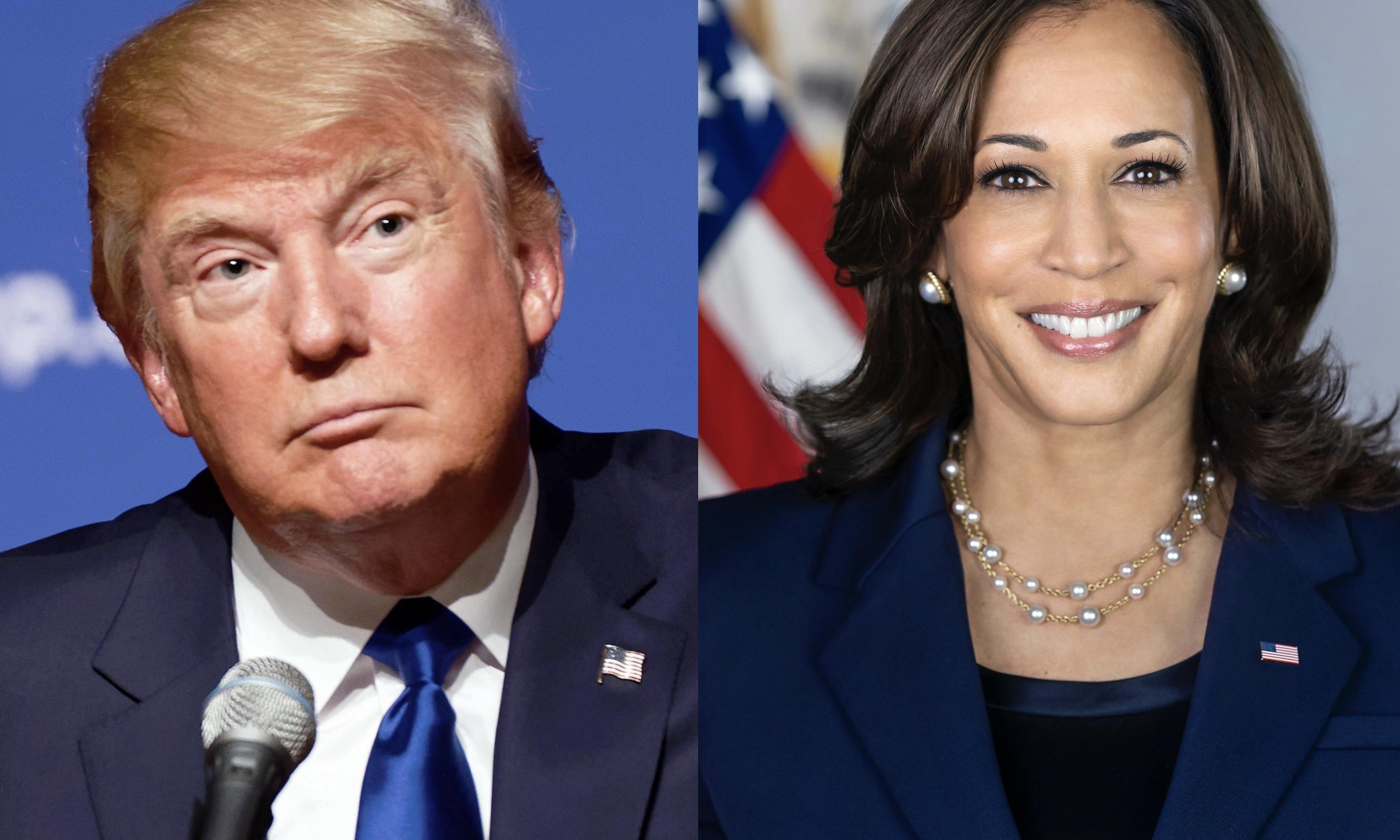
As the 2024 presidential race heats up, a new prediction model from The Economist has caused waves across the political landscape, showing Vice President Kamala Harris leading Donald Trump in the electoral college. The model, which has sparked considerable debate, projects Harris securing 281 electoral votes to Trump’s 257, highlighting a razor-thin margin that could shape the future of the United States.
This bold prediction has stunned many political analysts, given that Trump remains a dominant force in the Republican Party and has maintained a strong base of supporters. However, the model suggests that Harris, the first female vice president, may have the edge as the country heads toward a potentially historic election.
The Economist’s Shocking Prediction
According to The Economist, the prediction model is based on a variety of factors, including current polling data, economic indicators, and the approval ratings of both candidates. Harris, who has seen a rise in support from key demographics, particularly women and minority voters, appears poised to outperform Trump in several battleground states.
The prediction assigns 281 electoral votes to Harris, crossing the critical 270-vote threshold needed to win the presidency. Trump, on the other hand, trails closely with 257 electoral votes, indicating a fiercely competitive race that could go down to the wire.
Political insiders are already buzzing about the significance of this projection. “If this model is accurate, it means Kamala Harris could pull off what many have doubted—a win over Donald Trump,” said one political analyst.
Controversy Surrounding the Model
Despite the headline-grabbing numbers, the model has faced pushback from Trump’s supporters and some political commentators, who argue that the prediction doesn’t account for certain dynamics. Donald Trump, who lost the 2020 election to President Joe Biden, continues to rally his base, which remains highly motivated and loyal.
“Models like these are designed to sway public perception, but Trump’s voters know better,” said a conservative commentator. “There’s no way Harris will win—this is just another attempt to make her look more electable than she is.”
In fact, some have pointed to Harris’s challenges in the past, particularly her difficulty gaining momentum during the 2020 Democratic primaries, where she struggled to connect with voters on the same level as candidates like Joe Bidenand Bernie Sanders. This has left many skeptical about her ability to lead a national campaign effectively.
Harris’s Path to Victory
For Harris, the key to securing victory lies in maintaining her growing support among women, African American, and Latino voters—demographics that have increasingly turned away from Trump. The Economist’s model also predicts that Harris will perform well in states such as Pennsylvania, Michigan, and Arizona, which were pivotal in deciding the 2020 election.
However, Trump remains a formidable opponent, with strong support in rural areas and swing states like Florida and Ohio. His campaign has already launched efforts to undercut Harris, framing her as out of touch with the concerns of middle-class voters.
What’s Next?
With 2024 fast approaching, the outcome of the race is anything but certain. While The Economist’s prediction model offers an early glimpse into how the election could unfold, many factors—such as economic changes, debate performances, and unforeseen events—could dramatically shift the balance.
For now, the model’s results have added fuel to the political fire, raising questions about what the future holds for Kamala Harris and Donald Trump. One thing is clear: if this prediction proves accurate, the 2024 election could mark a monumental shift in American politics.







