


 Barclays Q2 Profit Beats Forecasts as Investment Banking Strength Offsets Higher Costs
  CATL Shares Jump as $5.6 Billion Buyback Signals Confidence in Long-Term Growth
  Johnson & Johnson Proposes $5.5 Billion Talc Settlement to Resolve U.S. Ovarian Cancer Lawsuits
  Exosens H1 Profit Beats Forecasts as Defense Demand Drives Growth
  Stellantis Sells Free2move Car-Sharing Business to Mutares to Strengthen Core Auto Strategy
  Seagate Stock Jumps as AI-Fueled Earnings Beat and Strong FY2027 Outlook Impress Investors
  Nvidia Eyes $250B Guarantee for OpenAI’s Massive Ohio AI Data Center Project
  Air Liquide Q2 Sales Growth Tops Forecast as Electronics Business Drives Strong Performance
  SK Hynix Q2 Profit Hits Record as AI Memory Chip Demand Fuels Growth
  TSMC Gradually Restarts Japan Chip Plant After Kumamoto Earthquake
  Zhongji Innolight Raises $6.8 Billion in Hong Kong IPO as AI Demand Fuels Growth
  AstraZeneca Q2 Earnings Beat Forecasts as Oncology Growth Supports 2026 Outlook
  TeamViewer Shares Fall Despite Profit Growth as ARR and Customer Base Decline
  CXMT IPO Debut in Shanghai Puts $85.5 Billion Chipmaker in Spotlight
  Galp Shares Fall After Q2 EBITDA Miss Despite Profit Beat and Higher Dividend
  Meta CEO Zuckerberg Opposes U.S. Ban on Chinese AI Models, Warns Against Overregulation
  Sika Raises 2026 Sales Outlook After Strong First-Half Results Beat Expectations


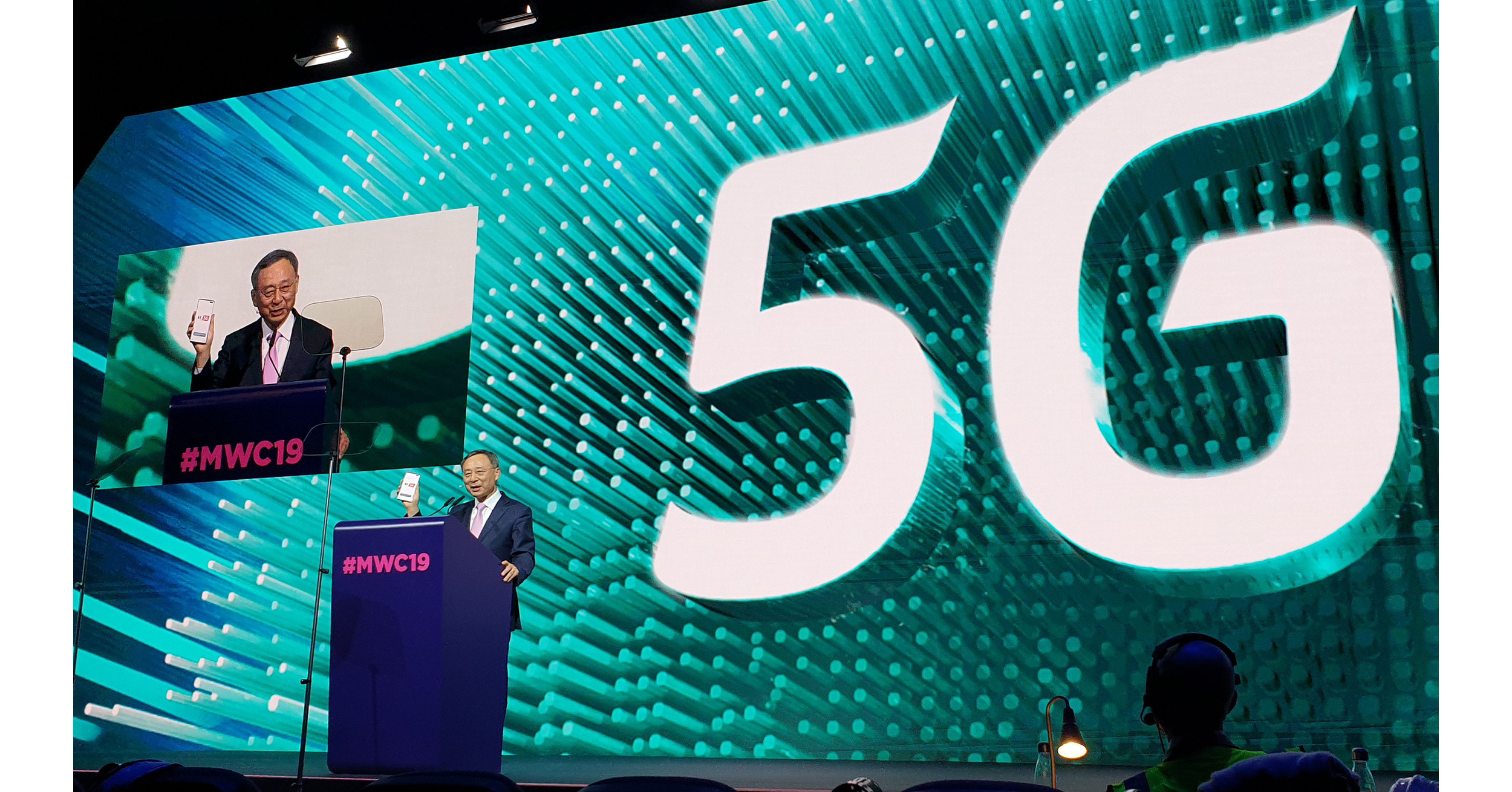
KT Corp. worked closely with Samsung Electronics to develop a core network technology that allows local 5G subscribers to use the standalone version of the network, which has the advantage of lower latency.
South Korean 5G users are currently limited to the non-standalone version, requiring support from the 4G LTE network.
The new technology is the first in South Korea.
KT is planning to introduce the technology to eight of the carrier's telecommunication centers across the country.
Before the pandemic, South Korean carriers were expected to commercialize the standalone version of 5G by year's end to support the growing number of users.
South Korea has 9.25 million 5G users as of end-September, making up 13.2 percent of its 70.2 million mobile accounts.







