


 Trump Backs Nexstar–Tegna Merger Amid Shifting U.S. Media Landscape
  Federal Judge Restores Funding for Gateway Rail Tunnel Project
  Nicaragua Ends Visa-Free Entry for Cubans, Disrupting Key Migration Route to the U.S.
  Bosnian Serb Presidential Rerun Confirms Victory for Dodik Ally Amid Allegations of Irregularities
  Taiwan Says Moving 40% of Semiconductor Production to the U.S. Is Impossible
  Trump Administration Appeals Court Order to Release Hudson Tunnel Project Funding
  Israel Approves West Bank Measures Expanding Settler Land Access
  Trump Allows Commercial Fishing in Protected New England Waters
  Trump Congratulates Japan’s First Female Prime Minister Sanae Takaichi After Historic Election Victory
  Netanyahu to Meet Trump in Washington as Iran Nuclear Talks Intensify
  Trump Lifts 25% Tariff on Indian Goods in Strategic U.S.–India Trade and Energy Deal
  Bangladesh Election 2026: A Turning Point After Years of Political Suppression
  Japan’s Prime Minister Sanae Takaichi Secures Historic Election Win, Shaking Markets and Regional Politics
  Sydney Braces for Pro-Palestine Protests During Israeli President Isaac Herzog’s Visit
  Trump Signs Executive Order Threatening 25% Tariffs on Countries Trading With Iran
  Ohio Man Indicted for Alleged Threat Against Vice President JD Vance, Faces Additional Federal Charges


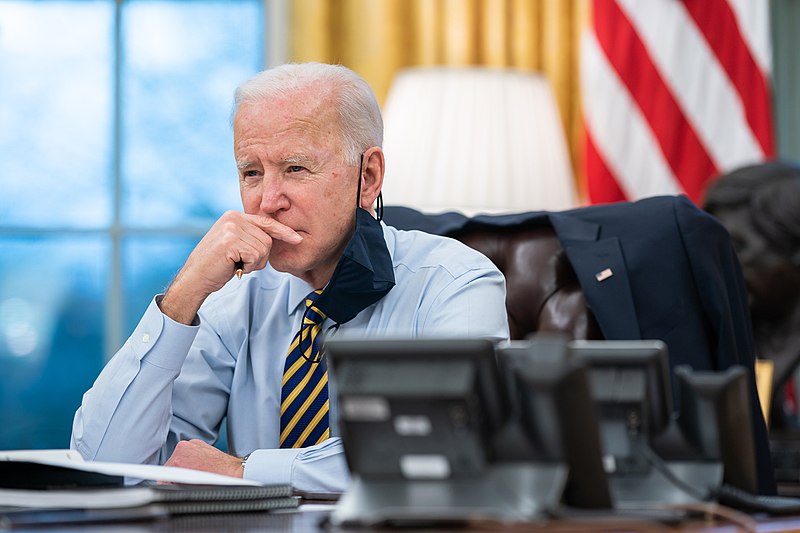
This week marks the 100th anniversary of the horrific Tulsa race massacre, one of the worst incidents of racial violence that has affected the US. In his remarks commemorating the day, Biden announced new measures that his administration plans to put forward in narrowing racial wealth disparities.
Biden visited Tulsa, Oklahoma to honor the 100th anniversary of the horrific event that took place in 1921. White supremacists attacked the Greenwood neighborhood in Tulsa, one of the wealthiest Black communities at the time. Up to 300 Black Americans were killed and 1000 homes and businesses were set on fire and looted. Since the massacre, Black Americans still face inequality and discrimination across the country’s economy, housing, banking, and employment.
During his campaign, Biden pledged to address racial wealth disparities and overall systemic racism in the country. In his speech, Biden detailed the steps his administration plans to take to address the issues. This includes creating an interagency initiative to address inequity in home appraisals, which would be led by HUD Secretary Marcia Fudge.
Biden also reversed two Fair Housing Act rules made during the Trump administration that would weaken protections that could be afforded by the law. Biden also announced the goal of increasing the share of federal contracts to small, disadvantaged businesses by 50 percent in a span of five years.
However, Biden did not mention concrete measures on two core issues on how to advance racial equity in the US economy. This includes student debt forgiveness and reparations for slavery. To note, Biden pledged during his candidacy to use federal powers to cancel thousands of dollars in student debt but his administration has yet to detail a plan or timeline in doing so.
In other news, the Biden administration has suspended oil and gas leases in the Arctic National Wildlife Refuge in Alaska, in another reversal of a Trump administration policy that allowed drilling. The order, imposed by Interior Secretary Deb Haaland, is part of a temporary moratorium on oil and gas lease activities that Biden imposed shortly after taking office in January.
The January 20 executive order suggested a new environmental review to address possible legal flaws in the drilling program approved under the Trump administration in 2017 law passed by Congress.













