


 Trump Backs Nexstar–Tegna Merger Amid Shifting U.S. Media Landscape
  Trump Lifts 25% Tariff on Indian Goods in Strategic U.S.–India Trade and Energy Deal
  Trump Congratulates Japan’s First Female Prime Minister Sanae Takaichi After Historic Election Victory
  New York Legalizes Medical Aid in Dying for Terminally Ill Patients
  Israel Approves West Bank Measures Expanding Settler Land Access
  Trump Allows Commercial Fishing in Protected New England Waters
  Trump Says “Very Good Talks” Underway on Russia-Ukraine War as Peace Efforts Continue
  India–U.S. Interim Trade Pact Cuts Auto Tariffs but Leaves Tesla Out
  Bangladesh Election 2026: A Turning Point After Years of Political Suppression
  Trump Slams Super Bowl Halftime Show Featuring Bad Bunny
  Trump Signs Executive Order Threatening 25% Tariffs on Countries Trading With Iran
  Nicaragua Ends Visa-Free Entry for Cubans, Disrupting Key Migration Route to the U.S.
  Ohio Man Indicted for Alleged Threat Against Vice President JD Vance, Faces Additional Federal Charges
  U.S. Lawmakers to Review Unredacted Jeffrey Epstein DOJ Files Starting Monday
  Anutin’s Bhumjaithai Party Wins Thai Election, Signals Shift Toward Political Stability
  Taiwan Says Moving 40% of Semiconductor Production to the U.S. Is Impossible
  China Warns US Arms Sales to Taiwan Could Disrupt Trump’s Planned Visit


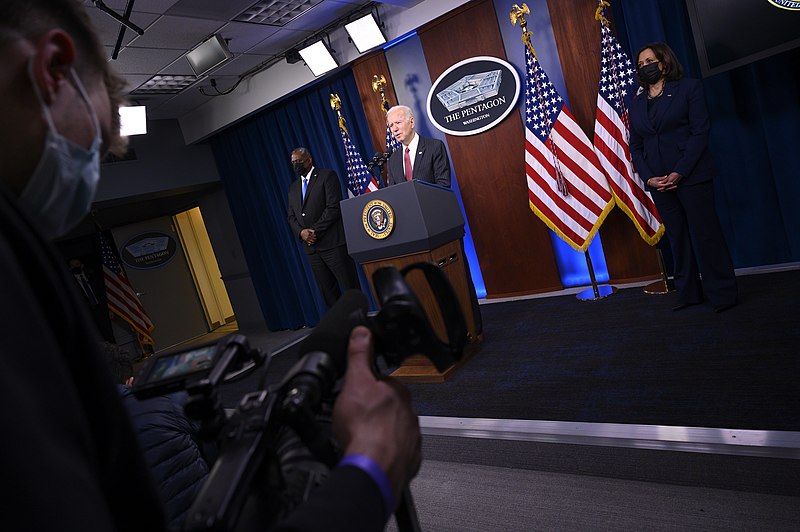
President Joe Biden and his administration have already been at odds with China on certain issues, including human rights violations.
With China hosting the 2022 Winter Olympics, White House Press Secretary Jen Psaki dismisses previous claims of a possible boycott by the US and allies due to their stance on China’s human rights violations.
Psaki clarified a previous comment made by State Department Spokesman Ned Price regarding the talks of a “boycott” happening by the US and its allies from the 2022 Winter Olympics, which China is hosting. Psaki said that the US is not discussing any coordinated boycott among the countries.
“Our position on the 2022 Olympics has not changed,” said Psaki to the press. “We have not discussed and are not discussing any joint boycott with allies and partners.”
Following his comment, Price clarified on Twitter that while 2022 is still a long way off, the US will continue to consult with allies and partners in laying out common concerns and establish a shared approach when it came to China.
A coordinated boycott among countries would have implications on an international scale should it occur, as the cause of the boycott would likely be because of China’s human rights violations with minorities.
At the time of his comments, Price cited the sanctions placed by the US, Canada, the United Kingdom, and the European Union against those responsible for the human rights violations in Xinjiang that resulted in retaliation from China. Comcast CEO Brian Roberts addressed back in March the possibility of the Summer Games getting postponed again or canceled this year due to the pandemic.
In other news, Biden had already reversed many of his predecessor Donald Trump’s policies; however, economist Stephen Roach has now raised questions noting how Biden kept Trump’s policies on China in place.
Speaking on CNBC’s “Squawk Box Asia” Thursday, Roach questioned why Biden retained the “seriously flawed” policy of his predecessor known as the US-China phase one deal as well as the tariffs on China. Roach noted that Biden had reversed many if not most of Trump’s policies on many aspects.
Biden previously said that while he does not agree with Trump’s approach to China, he is not in a hurry to reverse the policies made by his predecessor on China. Biden added that his administration is open to using tariffs as a way to combat China’s unfair trade practices.













