


 Trump to Meet Zelenskiy at NATO Summit in Turkey to Push Ukraine Peace Efforts
  ICC Judges Sue Trump Administration Over Sanctions, Calling Measures Unlawful
  DOJ Orders Crackdown on Birth Tourism After Supreme Court Upholds Birthright Citizenship
  Australian PM Anthony Albanese Apologizes After Kylie Minogue Podcast Remarks Spark Backlash
  Trump Threatens ABC News Lawsuit Over Lincoln Memorial Reflecting Pool Coverage
  Frank Stronach Found Guilty of Sexual Assault and Indecent Assault in Ontario Court
  DOJ Clears Paramount Skydance-Warner Bros. Discovery Merger Without Conditions
  Khamenei Funeral Draws Thousands as Iran Stages Nationwide Week of Mourning
  FIFA Suspends Balogun Ban, Clears U.S. Striker for Belgium World Cup Clash
  France Battles Mediterranean Wildfires as Heatwave Fuels Fire Risk
  Trump Orders DOJ Investigation Into Exxon, Chevron Over High Gas Prices
  Russia Claims Capture of Kostiantynivka as Putin Pushes Donetsk Offensive
  HSBC Australia Faces A$35M Penalty Over Scam Protection Failures
  Texas Man Charged After Fatal Tesla Full Self-Driving Crash in Katy
  Air Force Investigates Officer After Capitol Protest Calling for Trump, Vance Impeachment
  DOJ Seeks Dismissal of Fraud Charges Against Gautam Adani in U.S. Court


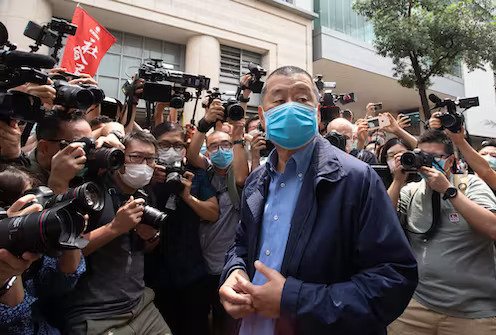
Hong Kong’s High Court has found media tycoon and pro-democracy figure Jimmy Lai guilty of conspiracy to collude with foreign forces, marking the most significant conviction yet under the China-imposed national security law. The verdict in this high-profile Hong Kong national security trial has intensified global debate over judicial independence, press freedom, and human rights in the city.
Lai, 78, is the founder of the now-defunct Apple Daily newspaper and a long-time critic of China’s Communist Party leadership. Prosecutors accused him of conspiring to seek foreign sanctions against Hong Kong and mainland China, charges he denied throughout the proceedings. Judges ruled that Lai harbored long-standing hostility toward Beijing and played a key role in international advocacy related to the 2019 pro-democracy protests, which Chinese authorities viewed as a direct challenge to state authority.
The conviction comes after Lai has already spent nearly five years in jail while facing multiple cases under the sweeping national security law enacted in 2020. He was found guilty on two counts of conspiracy to collude with foreign forces and one count of conspiracy to publish seditious material. Sentencing is expected next year, with a pre-sentencing hearing scheduled for January. Lai’s legal team has indicated an appeal will be considered after sentencing.
International reaction to the Jimmy Lai verdict was swift. The United States, Britain, and other Western governments criticized the ruling, calling it politically motivated and urging Lai’s release on humanitarian grounds. U.S. President Donald Trump said he raised the case directly with Chinese President Xi Jinping, while U.S. Secretary of State Marco Rubio said the conviction demonstrated the use of law to silence dissent. China and Hong Kong officials rejected these claims, insisting the trial was fair and that the judiciary remains independent.
Lai’s family and human rights organizations have expressed deep concern over his deteriorating health, citing diabetes, high blood pressure, and significant weight loss after prolonged solitary confinement. Press freedom groups argue the case symbolizes the broader erosion of media freedom and democratic opposition in Hong Kong, as pro-democracy parties disband and activists flee abroad. Beijing, however, maintains that the national security law is essential for stability and applies equally to all.







