


 Mexico President Claudia Sheinbaum Reconsiders Early School Closure Plan Ahead of 2026 World Cup
  Qatar Condemns Drone Strike as Iran Conflict Threatens Gulf Shipping and Global Markets
  Russian LNG Shadow Fleet Expands Amid Arctic LNG 2 Sanctions
  Germany Rejects Putin’s Proposal for Schroeder to Mediate Ukraine Peace Talks
  Russia Accuses Ukraine of Ceasefire Violations Amid Drone and Artillery Attacks
  Judge Rules DOGE Humanities Grant Cuts Unconstitutional
  Senate Stablecoin Bill Sparks Clash Between Banks and Crypto Industry
  Israeli Strikes in Gaza Kill Three as Ceasefire Tensions Continue
  Qatar LNG Tanker Crosses Strait of Hormuz Amid Iran War Tensions
  Judge Delays SEC Settlement With Elon Musk Over Twitter Stock Disclosure Case
  Pope Leo Calls for Peace as Vatican Seeks Better Ties With U.S.
  TikTok Nears $400 Million Settlement With Trump Administration Over Child Privacy Lawsuit
  Trump-Xi Beijing Summit to Focus on Trade, Taiwan, and Boeing Deal
  Trump Reportedly Approves Plan to Remove FDA Commissioner Marty Makary Amid Growing Controversies
  Rubio Presses Italy Over Iran Support as Tensions Test U.S.-Italy Alliance
  Trump Announces Russia-Ukraine Ceasefire for May 9-11 Amid Ongoing Peace Talks
  Australia’s Wealthy Donors Shift Support to One Nation Amid Conservative Party Decline


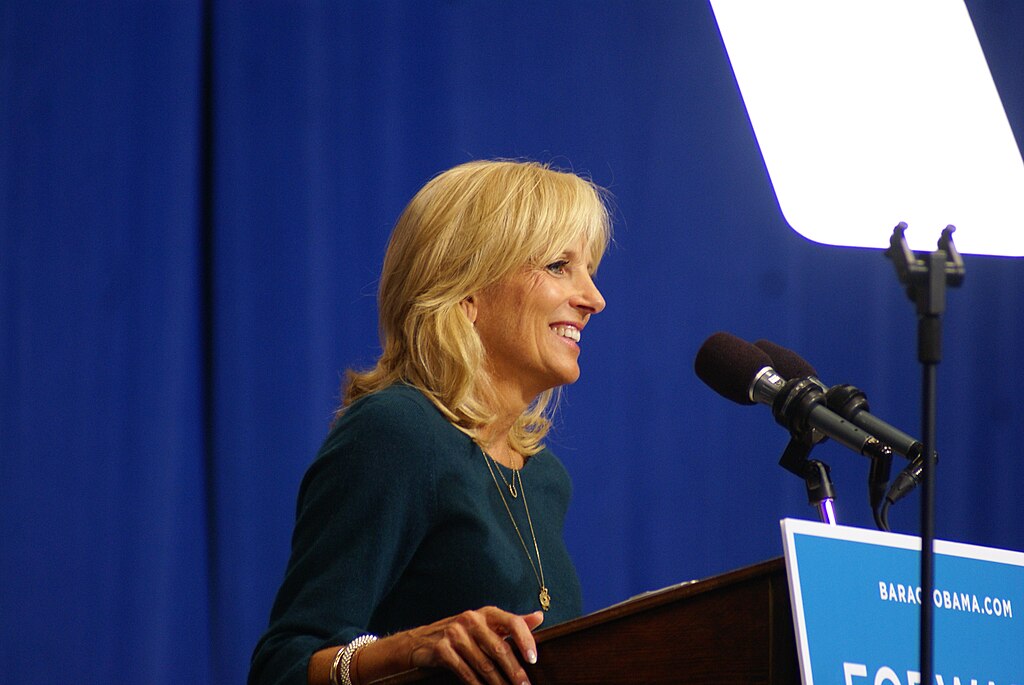
During a recent holiday event, First Lady Jill Biden found herself at the center of a spirited discussion about the appropriateness of inclusive seasonal greetings. The moment unfolded when Biden addressed a crowd of children and families with a cheerful "Happy Holidays."
In response, several children in the audience reportedly replied with a resounding "Merry Christmas." This seemingly innocent exchange has reignited debates over the choice of greetings in public settings, particularly during the holiday season.
Public Reaction Highlights Cultural Divisions
The interaction, which quickly gained traction on social media, has polarized opinions. Some view it as a lighthearted moment reflecting the festive season, while others argue it underscores ongoing cultural divides over the preference for specific holiday greetings. Supporters of "Merry Christmas" emphasize the importance of preserving traditional expressions, while advocates of "Happy Holidays" champion inclusivity in a multicultural society.
Social media platforms erupted with commentary:
- @HolidayTraditionalist: "The kids saying 'Merry Christmas' is proof we’re not letting traditions fade!"
- @InclusiveHolidays: "Jill Biden did the right thing with 'Happy Holidays.' It’s inclusive and respectful to everyone."
- @FestiveDebate: "This whole thing is being blown out of proportion. Let’s enjoy the season, however, we choose!"
- @ChristmasForever: "We need to keep ‘Merry Christmas’ alive. It’s part of our heritage and spirit."
- @ModernFestivities: "This debate happens every year. Can we move past it and focus on kindness instead?"
- @CulturalConvo: "Both greetings are fine, but the backlash Jill Biden is facing feels over the top."
Cultural Significance of Holiday Greetings
Holiday greetings in the United States have long been a reflection of its diverse population. “Happy Holidays” gained popularity as a neutral phrase encompassing all celebrations, from Christmas to Hanukkah and Kwanzaa. However, “Merry Christmas” remains deeply ingrained in American traditions. These differing preferences often spark spirited debates, particularly during high-profile moments like this one.
The First Lady's Role in Setting the Tone
As First Lady, Jill Biden’s use of “Happy Holidays” aligns with her public persona of fostering inclusivity. However, the enthusiastic response of “Merry Christmas” by children underscores how traditional greetings still resonate strongly with many Americans. The incident serves as a microcosm of broader discussions about balancing respect for tradition with embracing cultural diversity.
Conclusion: A Season for Celebration
While holiday greeting preferences may vary, the overarching message of the season remains one of unity, goodwill, and celebration. This moment involving the First Lady highlights the power of simple words to spark meaningful conversations about culture, tradition, and inclusivity.







