


 SpaceX Prioritizes Moon Mission Before Mars as Starship Development Accelerates
  Costco Revenue Beats Estimates as Inflation Drives Bulk Shopping
  Novo Nordisk Weighs Direct NYSE Listing to Boost U.S. Profile
  NASA's Artemis II Crew Arrives in Florida for Historic Moon Mission
  Blue Origin New Glenn Rocket Explodes During Launch Pad Test, Delaying Space Ambitions
  Mexico-US Trade Talks Delayed to October as Tariff Negotiations Continue
  US Stock Futures Rise as Meta Muse Fuels AI Rally
  European Stocks Fall as Bond Yields and Geopolitical Risks Weigh
  Australia Unemployment Hits Five-Year High Despite Strong Jobs Growth
  As the Black Summer megafires neared, people rallied to save wildlife and domestic animals. But it came at a real cost
  Ukraine minerals deal: the idea that natural resource extraction can build peace has been around for decades
  Soybean Futures Slip as Traders Await Trump-Xi Trade Signals
  Trump and Merck KGaA Partner to Slash IVF Drug Costs and Expand Fertility Coverage


 Add as a preferred source on Google
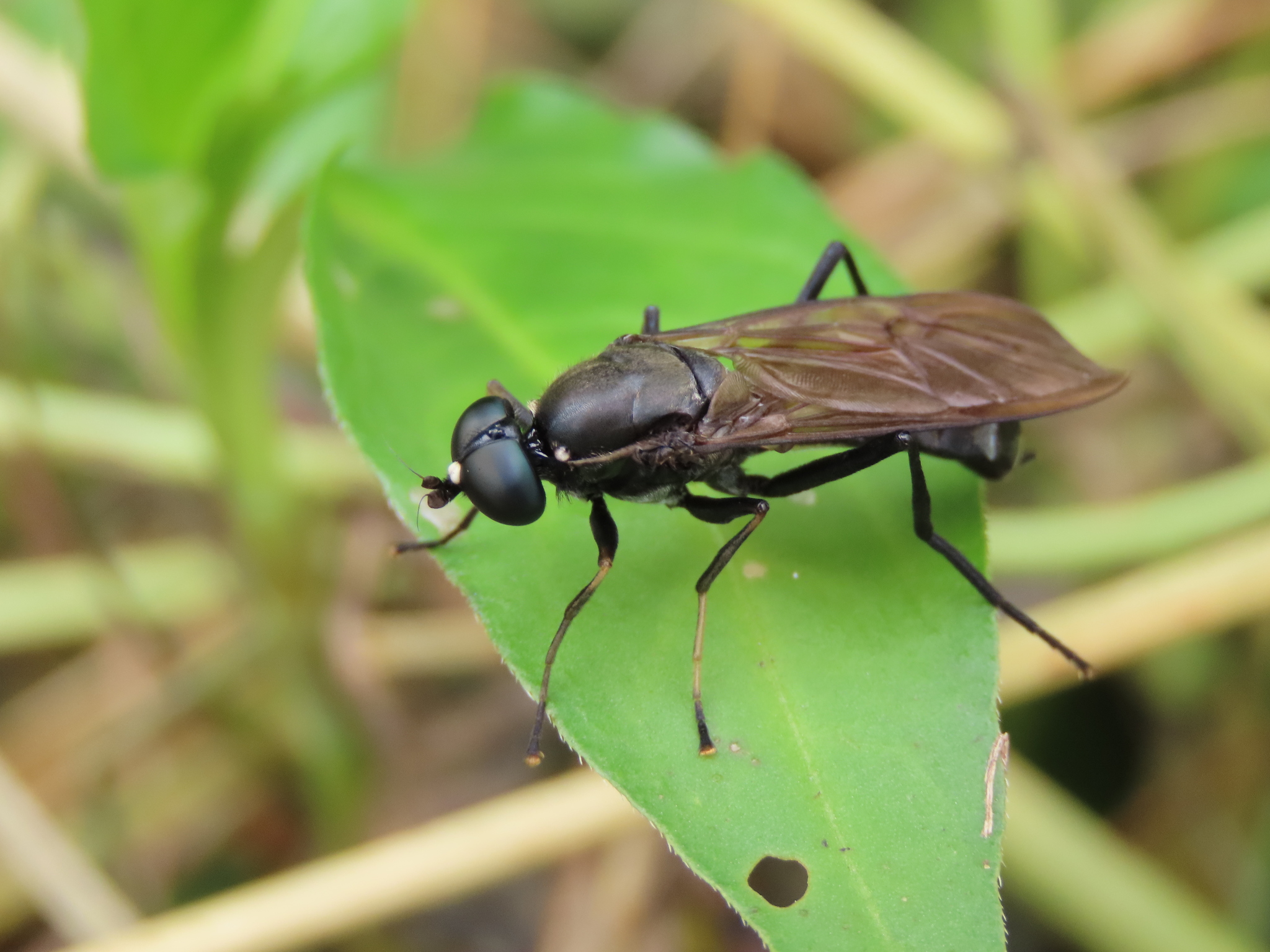
The Jeju Agricultural Technology Center and Insung Industry are carrying out an organic resource processing technology trial project using ptecticus tenebrifers, a type of fly, to deal with rotten tangerines and food waste in Jeju.
Insung Industry's breeding facility is home to tens of thousands of ptecticus tenebrifers. During the tangerine harvest season, they often consume seven to eight tons of rotting tangerines every day.
During the off-season, they consume 1.7 tons of mandarin juice residuals every day.
To allow ptecticus tenebrifers to process 40 kilos of rotting tangerines in five days, the center intends to experiment with the distribution of tiny ptecticus tenebrifer breeding facilities to nearby farmers.
Ptecticus tenebrifers larvae and adults are both approximately 20 millimeters long on average. They have an excellent ecological capacity for swallowing and decomposing organic items such as food waste.







