


 UK Consumer Confidence Weakens Amid Middle East Conflict and Rising Living Costs
  Australia's Inflation Eases in February but Core Pressures Persist
  Iran-Israel Missile Strikes Continue Amid Mixed Signals on U.S.-Iran Diplomacy
  WTO Reform Talks Begin in Cameroon Amid Global Trade Tensions
  Oil Prices Climb as Iran Reviews U.S. Peace Proposal Amid Middle East Tensions
  U.S. Futures Slide as Iran Denies Nuclear Talks with Washington
  Oil Prices Rebound as Iran Denies U.S. Talks, Middle East Tensions Persist
  Trump Tariffs Show Minimal Economic Impact but Boost Federal Revenue, Study Finds
  U.S. Dollar Weakens as Trump Signals Iran Deal Possibility
  Asian Currencies Stay Muted as Dollar Holds Firm Amid Iran Uncertainty
  Wall Street Slides as Iran War Uncertainty, Oil Surge, and AI Fears Rattle Markets
  Gold Prices Surge on U.S.-Iran Ceasefire Reports
  Gold Prices Climb as Middle East Ceasefire Talks Stir Market Optimism
  Oil Prices Rebound as Iran Denies U.S. Talks Amid Gulf War Supply Fears
  Asian Stocks Gain Amid Iran Conflict Uncertainty


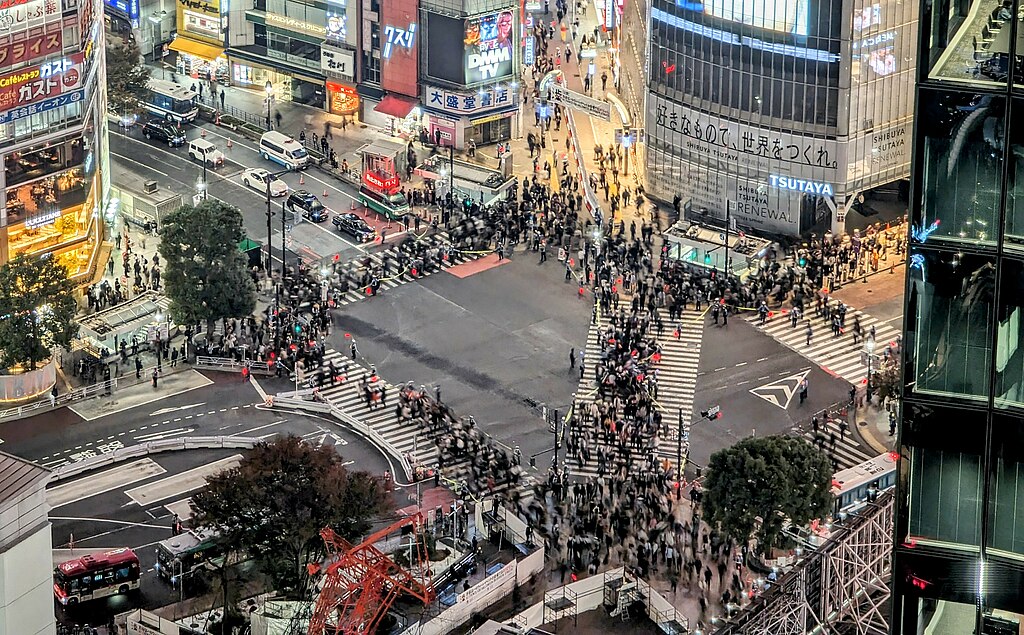
Japan's corporate capital expenditure fell 0.2% year-on-year in Q4, marking its first decline in nearly four years, according to the Ministry of Finance. Despite strong corporate profits and ongoing investment interest, labor shortages have hindered expansion in sectors like construction.
Saisuke Sakai, chief economist at Mizuho Research & Technologies, noted that while the trend remains solid, the drop was unexpected. He warned that escalating U.S. tariffs on steel, aluminum, automobiles, and semiconductors could further dampen investment sentiment.
Japan’s economy expanded at an annualized rate of 2.8% in Q4, accelerating from 1.7% in the prior quarter, supported by business spending and consumer demand. However, capital expenditure weakened compared to the previous quarter’s 8.1% growth. Seasonally adjusted, capex rose 0.5% quarter-on-quarter.
Corporate sales grew 2.5% in Q4, while recurring profits surged 13.5%, bolstered by Japan’s exit from deflation, which has enabled businesses to raise prices and reinvest earnings.
Amid concerns over supply chain disruptions from U.S. trade policies, Japan aims to double annual corporate capex to 200 trillion yen ($1.33 trillion) by 2040. Last year, investment surpassed 100 trillion yen for the first time in over three decades.
Prime Minister Shigeru Ishiba’s advisory panel recently urged bold policies to stimulate domestic investment as global powers prioritize industrial supply chain resilience.
With rising global uncertainties, Japan's economic trajectory will depend on corporate spending resilience and policy responses to maintain growth momentum.













