


 U.S. Disrupts China-Linked Hacking Campaign Targeting Government Agencies
  US Stock Futures Flat as Nvidia Rally Fades, Fed Speech in Focus
  German Industry Pushes Merz for Tougher China Trade Policy
  Iran Weighs Conditions to Reopen Strait of Hormuz
  Iceland Counts Votes in Close EU Membership Talks Referendum
  Norway’s King Harald Dies at 89, Haakon VIII Takes Throne
  Sweden Retail Sales Slip 0.2% in July
  UN Criticizes US Terror Label for Palestine Action
  Luxshare Shares Rise as First-Half Profit Jumps 18%
  New Zealand Labour Backs Social Media Ban for Under-16s
  Google Expands Gemini Enterprise With AI Tools for Legal Sector
  Asian Currencies Mixed as Dollar Holds Firm Ahead of Jackson Hole
  Gold Prices Slip Ahead of Fed Chair Warsh Speech
  Pentagon Eyes 100-Year Lease on Venezuela Oil Fields
  US Military Uses Laser to Shoot Down Cartel Drones at Mexico Border
  Mojtaba Khamenei’s Absence Fuels Iran Leadership Doubts


 Add as a preferred source on Google
Japan has agreed to a $550 billion investment package with the United States aimed at strengthening critical supply chains, particularly in semiconductors, as part of a broader tariff reduction deal. The initiative, announced by Japan’s top trade negotiator Ryosei Akazawa, combines equity, loans, and guarantees to finance projects vital to economic security.
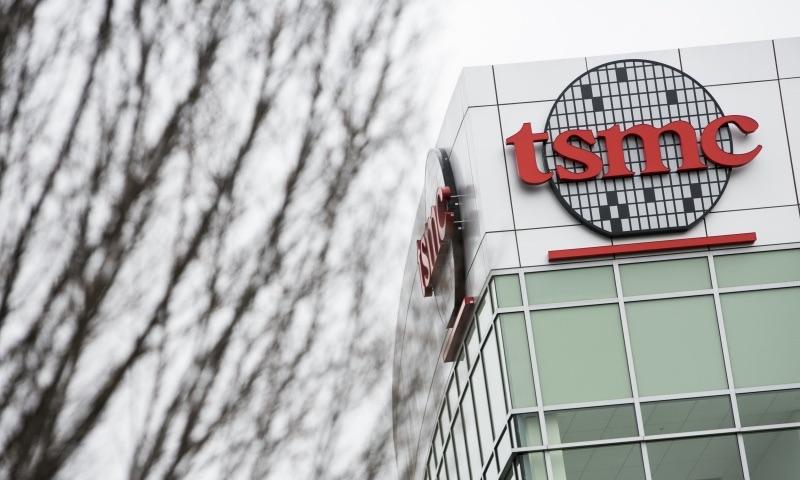
While details remain unclear, Akazawa emphasized that the program is not limited to Japanese or U.S. companies. Taiwanese chipmakers, including industry leader TSMC, could benefit if their U.S.-based plants incorporate Japanese components or serve Japanese market needs. The U.S. currently relies heavily on Taiwan for advanced chip manufacturing, a key vulnerability given regional tensions with China.
TSMC has already pledged over $165 billion for U.S. semiconductor projects, including a $100 billion commitment announced alongside President Donald Trump in March. One plant in Arizona is already operational. Japan’s funding will be managed through the Japan Bank for International Cooperation (JBIC) and Nippon Export and Investment Insurance (NEXI), both empowered by recent legal revisions to support foreign firms critical to Japan’s supply chains.
Only 1–2% of the package will involve equity, with most funds delivered via loans and guarantees. Akazawa clarified that U.S. profit retention of 90% applies only to equity returns, minimizing Japan’s losses compared to the estimated 10 trillion yen ($67.7 billion) in tariff savings secured under the deal.
Japan intends to deploy the full package during Trump’s current term, underscoring the two nations’ coordinated push to fortify semiconductor supply chains and reduce dependence on Chinese-linked manufacturing amid rising geopolitical risks.







