


 WTO Reform Talks Begin in Cameroon Amid Global Trade Tensions
  Trump Says Iran Offered Major Energy Concession Amid Ongoing Negotiations
  Kristi Noem Ends Western Hemisphere Tour in Diminished Role After DHS Firing
  Trump's Overhaul of American History: Museums, Monuments, and Cultural Institutions
  Jay Bhattacharya to Continue Leading CDC as White House Searches for Permanent Director
  Cuba Receives Humanitarian Aid Convoy Amid U.S. Sanctions
  Trump Seeks Quick End to U.S.-Iran Conflict Amid Ongoing Middle East Tensions
  Russia-Iran Military Alliance Deepens With Drone Shipments Amid Middle East Tensions
  US-Iran Ceasefire Talks Underway: What You Need to Know
  Trump Administration Opens Two New Investigations Into Harvard Over Discrimination and Antisemitism
  FEMA Reinstates $1 Billion Disaster Prevention Grant Program After Court Order
  Trump to Visit China in May for High-Stakes Xi Summit Amid Iran War
  Denmark Election 2025: Social Democrats Suffer Historic Losses Amid Migration and Cost-of-Living Tensions
  Iran-Israel Missile Strikes Continue Amid Mixed Signals on U.S.-Iran Diplomacy
  Iran-U.S. Negotiations: Tehran Reviews American Peace Proposal Amid Ongoing Gulf Conflict
  U.S. Deploys Elite 82nd Airborne Troops to Middle East Amid Iran Tensions
  Iran Demands Lebanon Be Part of Any Ceasefire Deal With Israel and the U.S.


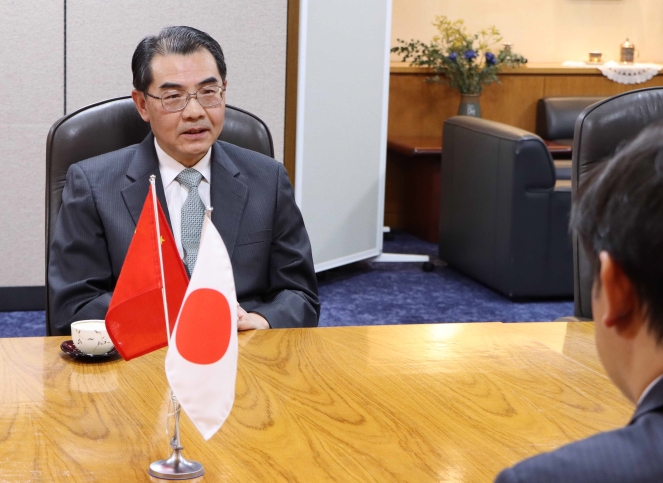
Tensions between Japan and China escalated over the weekend after a Chinese carrier strike group carried out a surge of air operations near Japan’s southwestern island chain. The activity comes at a sensitive diplomatic moment, following Japanese Prime Minister Sanae Takaichi’s warning last month that Tokyo could intervene if a Chinese move against Taiwan also threatened Japan’s national security.
According to Japan’s Self-Defense Forces, China’s Liaoning aircraft carrier conducted roughly 100 fighter jet take-offs and landings as it travelled east into the Pacific Ocean past the Okinawa Islands. Tokyo lodged a formal protest on Sunday, summoning Chinese Ambassador Wu Jianghao after reporting that Chinese fighter jets aimed radar signals at Japanese aircraft that had been deployed to monitor the carrier group. Radar illumination is widely viewed as a hostile act because it can signal the preparation for an attack, prompting defensive maneuvers from targeted aircraft.
China rejected Japan’s accusations, arguing that Japanese aircraft endangered flight safety by approaching the Liaoning during training exercises with its missile destroyers. The Chinese embassy urged Japan to “stop smearing and slandering” and avoid further incidents. In response, Chief Cabinet Secretary Minoru Kihara dismissed China’s claims and emphasized that Japan would continue monitoring Chinese military movements closely while responding “calmly but firmly.”
The diplomatic dispute follows heightened rhetoric surrounding Taiwan, which China claims as its territory. Taiwan, just 110 km from Japan’s westernmost island in Okinawa, remains a critical flashpoint in the region. Beijing has also issued travel advisories for citizens heading to Japan and paused plans to resume seafood imports previously halted over the Fukushima treated-water release.
Japan remains a central strategic hub for U.S. military forces, hosting thousands of Marines in Okinawa. While Washington has not yet commented on the radar incident, U.S. Ambassador to Japan George Glass has expressed support for Tokyo as geopolitical tensions continue to rise.













