


 Trump Orders DOJ Investigation Into Exxon, Chevron Over High Gas Prices
  Russian Attacks Kill Six Across Ukraine as Kyiv Mourns Deadly Strike
  Trump to Meet Zelenskiy at NATO Summit in Turkey to Push Ukraine Peace Efforts
  Air Force Investigates Officer After Capitol Protest Calling for Trump, Vance Impeachment
  Trump Threatens ABC News Lawsuit Over Lincoln Memorial Reflecting Pool Coverage
  Meta Seeks Legal Shield From Child-Harm Lawsuits Amid KOSA Talks
  Bayer Wins Major U.S. Supreme Court Roundup Lawsuit, Shares Surge
  Flavio Bolsonaro Urges Trump to Delay Brazil Tariffs Until After 2026 Election
  Supreme Court Backs Lisa Cook, Defends Federal Reserve Independence Against Trump Firing Attempt
  Israel Cabinet Rejects Supreme Court Ruling, Sparking Constitutional Crisis Fears
  Frank Stronach Found Guilty of Sexual Assault and Indecent Assault in Ontario Court
  Iran Begins Oil Sale Talks With Japan Under U.S. Sanctions Waiver Amid Shipping Risks
  UN Rights Council Launches Sudan Probe Over RSF Violence in al-Obeid
  US Judge Seeks Explanation for DOJ’s Decision to Drop Gautam Adani Bribery Case
  California Court Dismisses Trump Administration Lawsuit Against Los Angeles Sanctuary Policy
  Colombia Opens New Investigation Into Former President Álvaro Uribe Over Paramilitary Allegations
  US Appeals Court Limits ICE Detention Without Bond Hearings After 90 Days


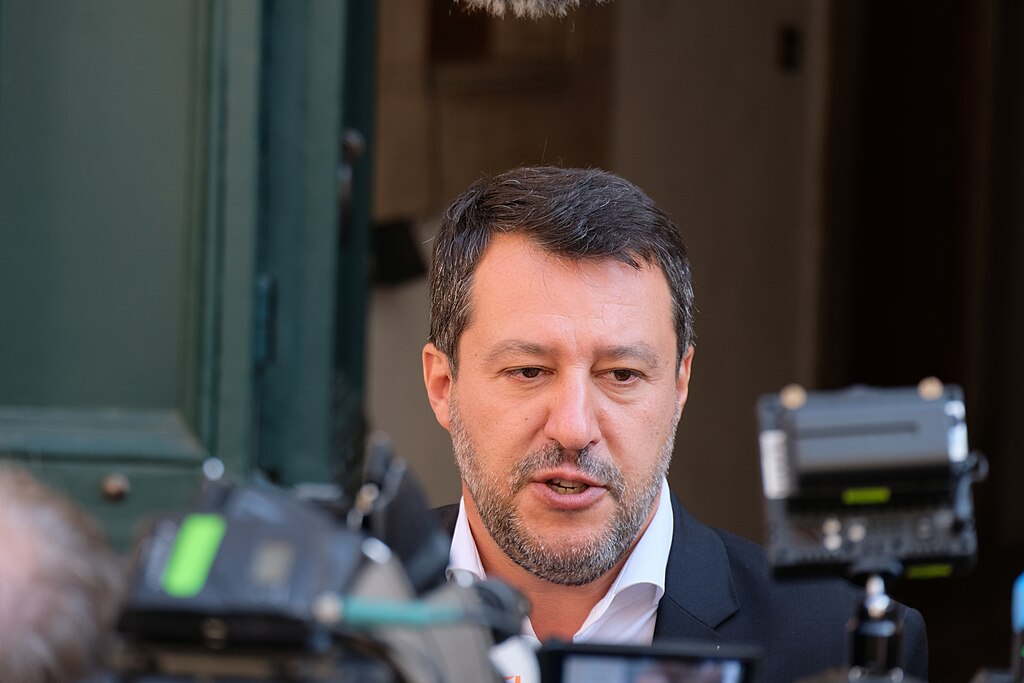
Italy’s Supreme Court has definitively upheld the acquittal of Deputy Prime Minister Matteo Salvini in a high-profile migrant kidnapping case, bringing an end to years of legal proceedings and eliminating the possibility of further appeals. The ruling confirms a previous verdict issued by a Palermo court in Sicily, which last year cleared Salvini of charges linked to his actions as interior minister in 2019.
At the center of the case was Salvini’s decision to block a ship operated by Spanish humanitarian group Open Arms from docking at an Italian port. The vessel was carrying more than 100 migrants and remained at sea for nearly three weeks while Italian authorities refused entry. Prosecutors argued that the decision constituted kidnapping and abuse of power, seeking a prison sentence of up to six years. However, the trial court ruled that Salvini acted within his institutional role, a conclusion now fully endorsed by Italy’s highest court.
Reacting to the Supreme Court decision, Salvini stated on social media that “defending borders is not a crime,” framing the verdict as a validation of his long-standing hardline immigration policies. Prime Minister Giorgia Meloni, whose governing coalition includes Salvini’s far-right League party, echoed that sentiment, describing the ruling as confirmation that safeguarding Italy’s borders is a legitimate duty of government officials.
The case drew international attention as a symbol of Europe’s broader debate over migration control, humanitarian obligations, and national sovereignty. Critics, including Open Arms founder Oscar Camps, condemned the verdict, calling it a political decision that fosters impunity and undermines justice for migrants. Camps argued that the ruling failed to protect vulnerable people stranded at sea.
In a rare procedural move, Palermo prosecutors attempted to overturn the acquittal by appealing directly to the Supreme Court, bypassing the intermediate appeals court. They maintained that Salvini’s conduct was undisputed and requested legal clarification on whether it amounted to a criminal offense. The Supreme Court rejected this argument, concluding that the appeal lacked merit.
Salvini’s lawyer, Giulia Bongiorno, welcomed the outcome, stating that the ruling confirmed both the legality of Salvini’s actions and that the trial itself should never have been initiated. The decision reinforces Salvini’s political standing and closes one of Italy’s most controversial legal battles over migration policy.







