


 Debate over H-1B visas shines spotlight on US tech worker shortages
  Britain has almost 1 million young people not in work or education – here’s what evidence shows can change that
  Stuck in a creativity slump at work? Here are some surprising ways to get your spark back
  Why have so few atrocities ever been recognised as genocide?
  What’s the difference between baking powder and baking soda? It’s subtle, but significant
  Columbia Student Mahmoud Khalil Fights Arrest as Deportation Case Moves to New Jersey
  Locked up then locked out: how NZ’s bank rules make life for ex-prisoners even harder
  Why a ‘rip-off’ degree might be worth the money after all – research study
  Why financial hardship is more likely if you’re disabled or sick
  Heritage, desire and diplomacy: why China still values scotch whisky
  The American mass exodus to Canada amid Trump 2.0 has yet to materialize
  The pandemic is still disrupting young people’s careers
  Every generation thinks they had it the toughest, but for Gen Z, they’re probably right
  How to support someone who is grieving: five research-backed strategies
  Time to buy local: war fuel price shocks reveal the folly of a long food supply chain
  Want to cut your energy bills? Here’s how five experts are doing it


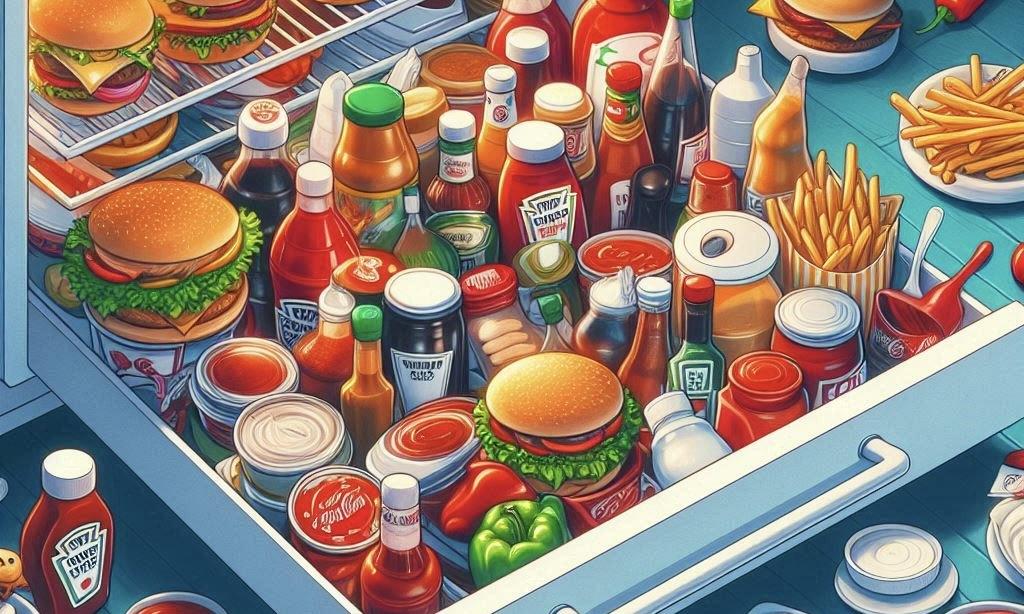
For fans of fast-food sauces, storing extra packets is practically a habit. But does keeping them in the fridge make a difference? From ketchup to rare Szechuan sauce, experts weigh in on where—and how long—these condiments should be kept for freshness.
Proper Storage Extends Sauce Packet Lifespan—Fridge or Drawer, Labeling Ensures Freshness
How many ketchup packets does one need? For many fast-food enthusiasts, the answer is as many as possible—especially if they’re free. Some fans even dedicate entire drawers to storing leftover ranch, mustard, and McDonald's elusive Szechuan sauce. But while collecting condiments may be a common habit, it raises a practical question: should these packets be stored in the fridge?
Commercial condiment packets' sealed packaging and preservatives make them safer to store outside the fridge. However, a cool, dry place is ideal for extending their shelf life. While a drawer works fine, the fridge offers a more consistently calm environment, making it the better choice if space allows.
It’s worth noting that these sauces don’t last forever, so labeling packets with the date can help keep track. Though it’s hard to determine the exact shelf life for each condiment, packets of Heinz ketchup, for instance, can last up to nine months. This, however, is only an estimate, as it’s unclear how long packets may have sat in a restaurant before reaching customers. Using them within three months is wise to ensure the best flavor and texture, as they tend to lose quality over time.
Without Expiration Dates, Condiment Packets Require Careful Storage—Fridge Recommended for Fragile Sauces
Chowhound reports, that most packets lack nutritional labels or expiration dates, determining their lifespan can be tricky. (The expiration information is often found on the larger boxes they’re shipped in.) Damaged packets, visible mold, or any off-putting smells or tastes indicate they should be discarded immediately.
The fridge is generally the safest spot for optimal storage. While some condiments, like salt, pepper, sugar, and honey, are stable enough to last indefinitely, others containing ingredients that spoil—like mayo, butter, or dairy-based sauces—benefit from refrigeration. Additionally, soy sauce and sauces in paper packaging are best kept cool to maintain freshness.
Ultimately, it is worth asking which packets to keep and whether these sauces are worth taking up precious kitchen space.







