


 NY Times Challenges Trump Administration Subpoenas Over Air Force One Report
  Israel-Lebanon Talks Resume in Rome as Ceasefire and Troop Withdrawal Remain Elusive
  US Restricts Commercial Flights From Congo Amid Ebola Outbreak
  Trump Expands U.S. Strikes on Iran, Warns Attacks Will Continue Until Nuclear Deal
  Trump Recommends Darline Graham for Interim South Carolina Senate Seat
  Trump Orders ICE to Resume Traffic Stops After Deadly Immigration Enforcement Incidents
  Trump Says U.S. Strikes on Iran Will Continue Until Nuclear Deal Is Reached
  U.S. Imposes 25% Tariff on Select Brazilian Imports After Section 301 Trade Investigation
  Trump Tells Congress Iran Hostilities Restarted, Citing New 60-Day War Powers Window
  UN Says Hamas Disrupted Gaza Aid Distribution, Group Denies Allegations
  Senate Weighs Permanent Daylight Saving Time Bill as Support Remains Uncertain
  Trump Administration Bars U.S. Travelers From Congo Flights Amid Ebola Outbreak
  Reuters/Ipsos Poll: Most Americans Expect U.S.-Iran War to Be Prolonged
  US Military Launches New Strikes on Iran, Targets Threats to Strait of Hormuz Shipping
  Ukraine, EU Sign Landmark Drone Deal to Boost Defense Production
  Trump Administration Hands Over Key Evidence in Minnesota Immigration Shooting Investigations
  Trump Administration Launches AI Cybersecurity Partnership to Protect Critical Infrastructure


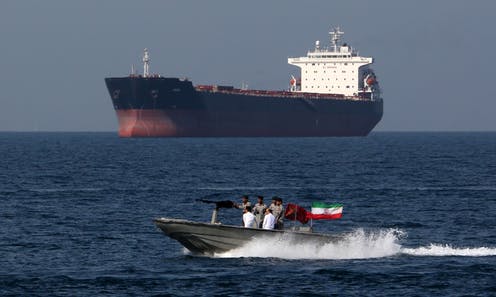
Iran warned on Thursday that the Strait of Hormuz remains an inviolable “red line,” vowing to retaliate against infrastructure across the Gulf region if U.S. President Donald Trump follows through on threats to attack Iranian power plants, bridges, and other key facilities.
The warning comes as the United States carried out a fifth consecutive night of military strikes and reinstated a naval blockade on Iranian ports. Washington says the campaign is intended to reopen the Strait of Hormuz, which Iran closed last Saturday after a fragile ceasefire collapsed. Before the conflict, the strategic waterway handled nearly one-fifth of global oil and gas shipments, making it one of the world’s most critical energy routes.
Iranian army spokesman Brigadier General Mohammad Akraminia said Tehran maintains full control over the Strait of Hormuz and can defend it from any point within its territory. He rejected suggestions that recent U.S. strikes on coastal military sites had weakened Iran’s ability to control the waterway.
The escalation follows remarks by Iranian official Mohammad Baqer Qalibaf, who described the conflict as an “essential and existential war” with the United States. According to Reuters, U.S. officials said the strikes are also targeting Iranian military assets that could interfere with future operations in the region.
President Trump warned earlier this week that the United States could expand attacks on Iran’s infrastructure unless Tehran returns to negotiations. In response, Akraminia said any such action would trigger strikes on “all remaining infrastructure” across the Gulf, with retaliation that would be broader and more destructive than previous attacks.
Iran also claimed responsibility for attacks on U.S. military facilities in Kuwait and Jordan, warning neighboring countries against allowing American forces to launch operations from their territory. Bahrain activated its air defense systems after reporting Iranian aerial threats, while Kuwait said it was responding to hostile drones. Iran further claimed it struck the Al Azraq Air Base in Jordan and damaged military infrastructure at Kuwait’s Ali Al Salem Air Base.
The latest confrontation has heightened fears of a wider regional war. Analysts warn Iran could also rely on its Houthi allies in Yemen to disrupt shipping through the Bab el-Mandeb Strait, potentially threatening another vital global energy corridor. The ongoing conflict has already killed thousands and displaced millions across Iran and Lebanon.







