


 Israel Sets October 27 Election as Netanyahu Faces Tough Political Test
  Republican Senator Lindsey Graham Dies at 71, Leaving South Carolina Senate Seat Vacant
  Ukraine, Europe Launch Freyja Missile Shield to Strengthen Air Defense Against Russia
  Russia Launches Missile and Drone Attacks on Kyiv, Zaporizhzhia, and Kharkiv
  Israeli Strikes Kill Six in Gaza as Ceasefire Talks Continue in Cairo
  HHS Watchdog Reports $5.56 Billion in Healthcare Fraud Recoveries as Enforcement Actions Decline
  Ann Widdecombe Murder: Police Arrest Second Suspect, Rule Out Terrorism Motive
  Zelenskiy Plans Ukraine Government Shake-Up as Prime Minister Svyrydenko Set to Step Down
  Reuters/Ipsos Poll: Most Americans Expect U.S.-Iran War to Be Prolonged
  UK Sanctions 24 Russian-Linked Targets Over Cyberattacks and Election Interference
  US-Iran Strikes Escalate as Strait of Hormuz Crisis Pushes Oil Prices Higher
  EU Weighs New Trade Restrictions on Israeli West Bank Settlements
  Trump to Deliver National Address on Declassified 2020 Election Intelligence
  Brazil Court Bars Flavio Bolsonaro From Visiting Jair Bolsonaro Ahead of Election
  Ukraine Says Drone Strikes Hit 21 Russian Oil Tankers as Russia Launches Fresh Missile Barrage
  Iran Says It Closes Strait of Hormuz After Warning Shot at Vessel
  Western Allies Push for More Air Defenses for Ukraine at Paris Summit


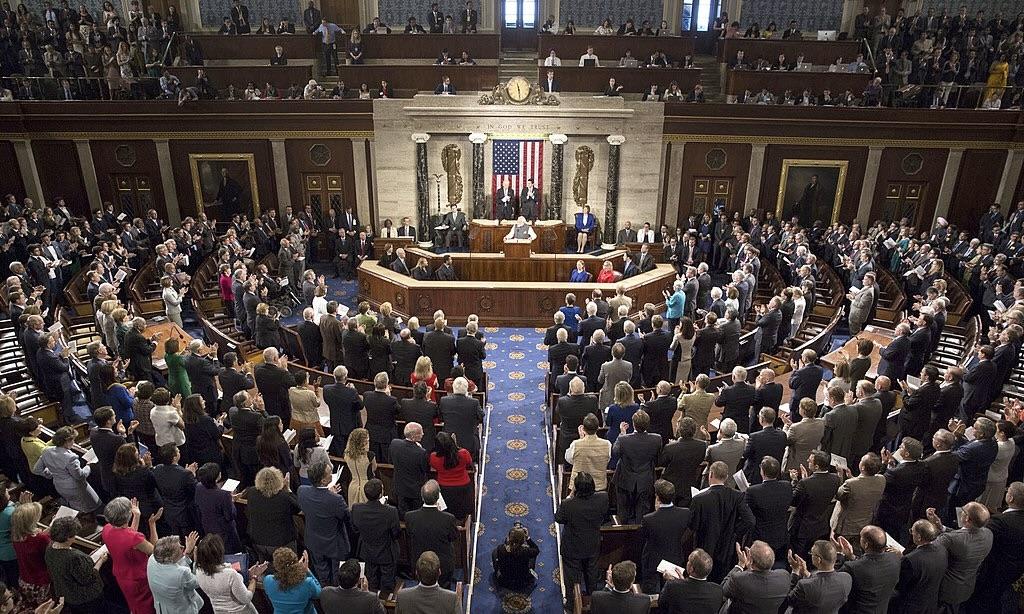
U.S. President Donald Trump has formally notified Congress that U.S. military hostilities against Iran resumed on July 7, arguing that the move triggers a new 60-day period under the War Powers Act during which military operations can continue without congressional authorization.
In a letter dated July 10 and reviewed by Reuters, Trump said he ordered the renewed military action to protect Americans and safeguard U.S. national security and foreign policy interests. The notification details the administration’s handling of the conflict, including a two-week ceasefire announced on April 7 that was later extended as Washington pursued diplomatic efforts.
According to the letter, the United States initially launched military operations against Iran alongside Israel on February 28. Trump said he later signed a memorandum of understanding with Tehran on June 17, but accused Iran of violating the agreement by attacking commercial vessels passing through the Strait of Hormuz. He said those actions prompted the United States to resume strikes against Iran.
Trump also announced that the U.S. had reinstated its blockade of Iranian shipping in the Gulf and would continue efforts to keep the strategically important Strait of Hormuz open for global commerce.
Under the U.S. Constitution, Congress has the authority to declare war. However, presidents have long maintained they can initiate limited military operations without prior congressional approval. The War Powers Act requires presidents to notify Congress within 48 hours of beginning hostilities and generally limits military engagements without congressional authorization to 60 days.
The administration argues the renewed fighting begins a fresh 60-day clock because the earlier conflict had ended with the ceasefire. Critics disagree, saying the administration is improperly interpreting the law.
Lawmakers from both parties have questioned the legal basis for the continued military campaign. Last month, the Senate and House approved a resolution directing Trump to withdraw U.S. forces from hostilities with Iran despite Republican majorities in both chambers. Trump criticized supporters of the measure, saying their actions benefited Iran and complicated U.S. military operations.







