


 Trump Congratulates Japan’s First Female Prime Minister Sanae Takaichi After Historic Election Victory
  Japan Election 2026: Sanae Takaichi Poised for Landslide Win Despite Record Snowfall
  Sydney Braces for Pro-Palestine Protests During Israeli President Isaac Herzog’s Visit
  U.S.-India Trade Framework Signals Major Shift in Tariffs, Energy, and Supply Chains
  Netanyahu to Meet Trump in Washington as Iran Nuclear Talks Intensify
  Jack Lang Resigns as Head of Arab World Institute Amid Epstein Controversy
  Israel Approves West Bank Measures Expanding Settler Land Access
  Bangladesh Election 2026: A Turning Point After Years of Political Suppression
  Trump Signs Executive Order Threatening 25% Tariffs on Countries Trading With Iran
  Antonio José Seguro Poised for Landslide Win in Portugal Presidential Runoff
  Trump’s Inflation Claims Clash With Voters’ Cost-of-Living Reality
  U.S. Lawmakers to Review Unredacted Jeffrey Epstein DOJ Files Starting Monday
  Trump Lifts 25% Tariff on Indian Goods in Strategic U.S.–India Trade and Energy Deal
  New York Legalizes Medical Aid in Dying for Terminally Ill Patients
  Japan’s Prime Minister Sanae Takaichi Secures Historic Election Win, Shaking Markets and Regional Politics
  Trump Administration Appeals Court Order to Release Hudson Tunnel Project Funding
  Federal Judge Restores Funding for Gateway Rail Tunnel Project


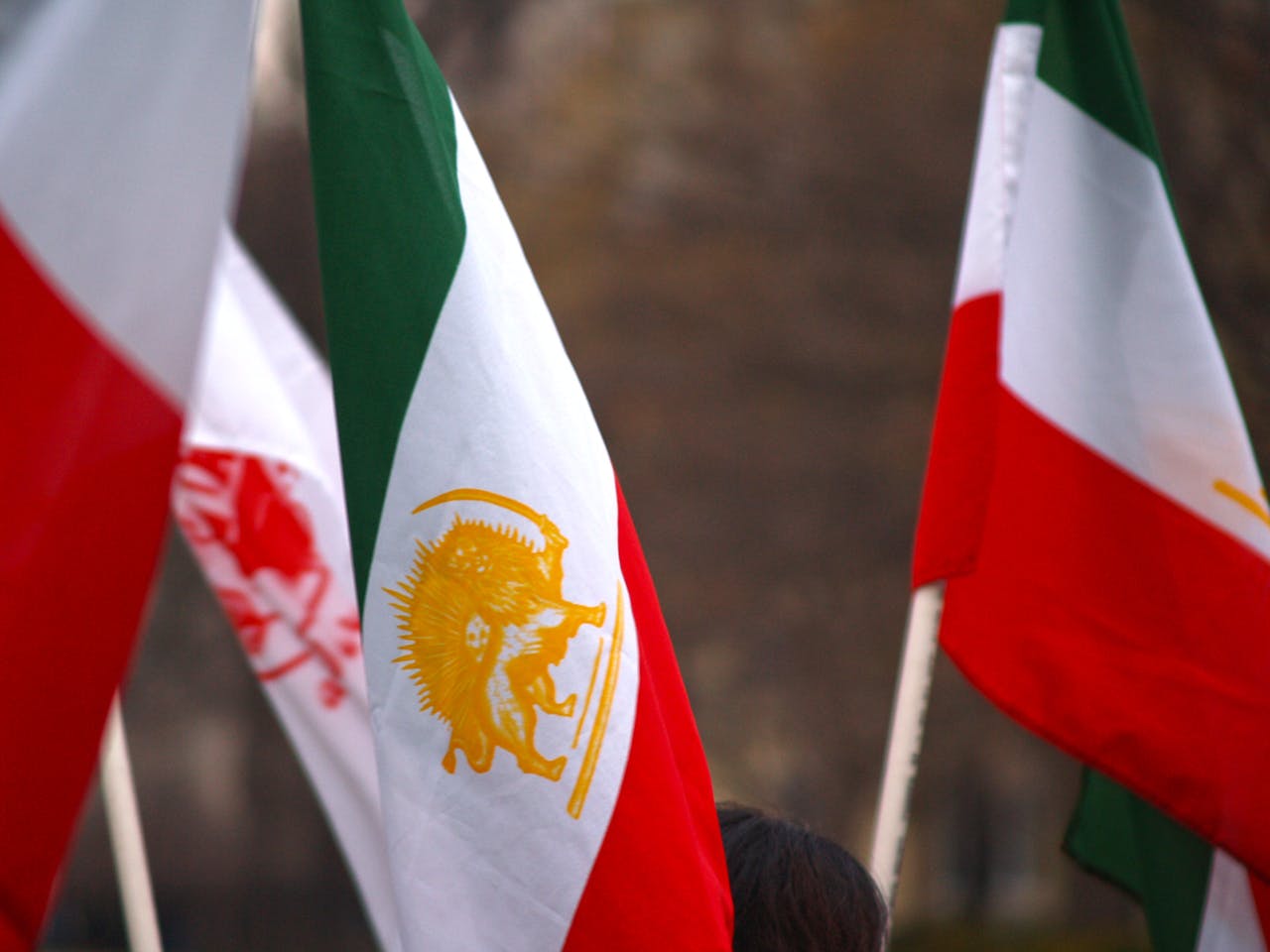
Iran may temporarily halt uranium enrichment if the U.S. releases $6 billion in frozen Iranian funds and acknowledges Tehran’s right to enrich uranium for civilian use, two Iranian sources close to the talks told Reuters. The proposed political agreement aims to ease tensions and build momentum toward a broader nuclear deal, though no formal discussions on the offer have taken place yet.
Under the potential deal, Iran could pause enrichment for one year and either ship part of its highly enriched uranium abroad or convert it into fuel plates for civilian nuclear use. However, Iran insists it will not dismantle its nuclear infrastructure or seal its facilities, as previously demanded by the Trump administration.
The U.S. State Department has not commented, and a U.S. official confirmed the proposal has not been officially presented. Meanwhile, Iran’s Foreign Ministry denied any plan to negotiate over enrichment, calling it a non-negotiable right.
Tehran demands Washington recognize its sovereign right under the Nuclear Non-Proliferation Treaty and lift sanctions—especially those affecting its oil economy. Access to the $6 billion in funds, previously unfrozen during a 2023 prisoner swap but still stuck in a Qatari bank, remains a priority for Iran.
Despite Iranian optimism, Western diplomats remain skeptical, especially without verification by the U.N. nuclear watchdog. They also doubt the U.S. will agree to Iran’s demand for immediate sanctions relief, favoring instead a phased approach.
The backdrop includes domestic unrest in Iran, economic instability, and rising tensions with Israel. Trump’s renewed “maximum pressure” campaign, since his return to office in January, has further escalated stakes by reimposing sanctions and threatening military action if talks fail.













