


 Hua Hong Semiconductor Stock Surges to Multi-Year High Amid AI Boom
  Arm Stock Drops Despite Strong AI Chip Demand and Earnings Beat
  Judge Delays SEC Settlement With Elon Musk Over Twitter Stock Disclosure Case
  Morgan Stanley Bets on Optical Component Stocks in Greater China Tech Sector
  Maersk Q1 Earnings Beat Expectations as Iran Conflict Clouds Shipping Outlook
  Philips Reaffirms 2026 Outlook After Strong Q1 Sales and Margin Beat
  Shell Q1 Profit Surges to Two-Year High as Dividend Rises Despite War-Driven Debt Pressure
  Apple Explores Intel and Samsung Partnerships to Diversify Chip Supply Chain
  BHP Attracts AI-Focused Investors as Copper Demand Surges
  Palantir Reports Record Growth, Raises 2026 Revenue Outlook Above Expectations
  U.S. Cybersecurity Pushes Faster Patch Deadlines Amid Rising AI-Driven Threats
  U.S.-China AI Talks May Take Center Stage at Trump-Xi Summit
  Samsung Surpasses $1 Trillion Market Cap Amid AI Chip Boom and Apple Partnership Talks
  Meta Plans $13B AI Data Center Financing in Texas Amid Surging Big Tech Investment
  Taiwan Activates Backup Communications After Undersea Cable Break on Dongyin Island
  AWS Data Center Overheating Disrupts Cloud Services in Northern Virginia
  Anthropic’s $1.5B AI Venture with Wall Street Firms Targets Private Equity Market


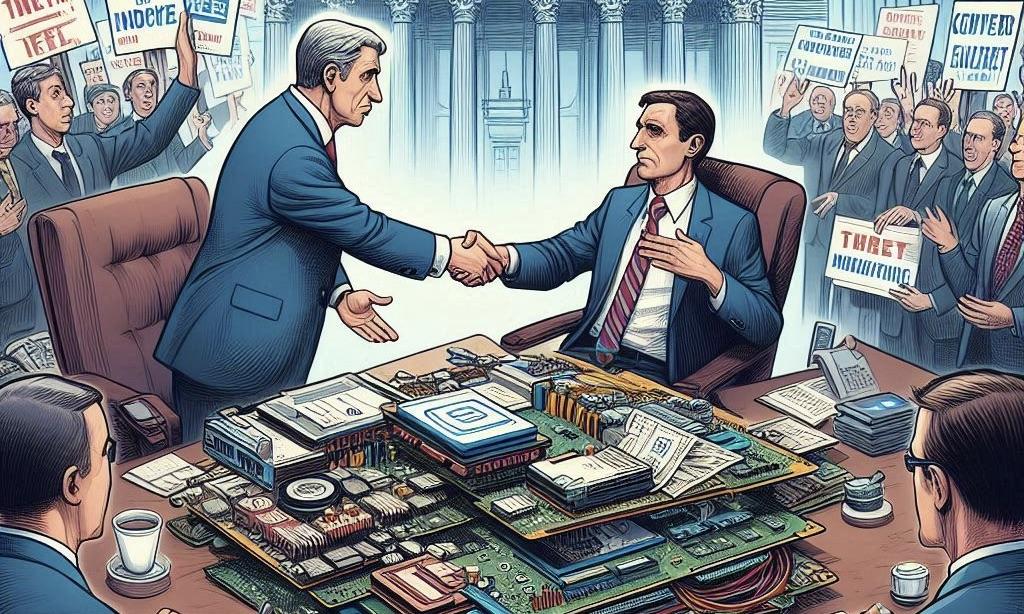
Intel faces more internal turmoil as board member Lip-Bu Tan resigns, citing concerns over the company’s contract manufacturing strategy and layers of bureaucracy. The resignation comes amid broader struggles at Intel, including layoffs, dividend cuts, and disappointing financial results.
Intel Faces Ongoing Turmoil as Board Member Resigns Amid Layoffs, Financial Struggles, and Strategic Challenges
In a recent report by Wccftech, the turmoil at Intel's corporate headquarters shows no signs of abating. The company is grappling with multiple challenges, including the departure of key board members, widespread layoffs, and a stringent cash conservation strategy that has led to dividend cuts and the sale of profitable investments, such as those in ARM Holdings. These issues are compounded by a plummeting stock price and the company's admission that significant advancements are unlikely before 2027.
Intel's recent second-quarter results for 2024 fell short of analysts' expectations across critical financial metrics. The company's performance in the crucial Data Center and Artificial Intelligence (DCAI) segment could have been better. This underperformance highlights the urgent need for Intel to capitalize on the rapidly growing AI-driven market or risk falling further behind its competitors.
Intel's financial struggles are becoming increasingly apparent. The company's gross margin for the quarter was significantly lower than its projections, further contributing to its woes. In response to these challenges, Intel has reduced its dividend and announced a new round of layoffs, cutting 15,000 jobs—13.6% of its workforce at the start of the year. This is a 5% reduction in staff from last year. These measures, while necessary, underscore the severity of Intel's financial situation.
Adding to the company's troubles, high-profile board member Lip-Bu Tan has resigned, citing "multiple obligations" while continuing to express support for Intel's turnaround strategy. However, sources suggest Tan privately voiced concerns about Intel's bureaucracy, which he believes stifles innovation, particularly in the desktop and server divisions. Some Intel teams reportedly operate with five times the staff of similar teams at competing companies.
Intel's Culture Criticized as Complacent, Despite Ambitious Restructuring and Foundry Expansion Plans
Former Intel executives have criticized the company's work culture as complacent and uncompetitive, contrasting to the "only-the-paranoid-survive" ethos championed by Intel co-founder Andy Grove. One former executive argued that Intel's layoffs should have been implemented years ago and that the company should have made even deeper cuts, given its larger workforce compared to rivals like NVIDIA and TSMC.
Intel's restructuring strategy, focusing on its Foundry unit, holds significant potential. With plans to increase margins and achieve substantial cost savings of $8 billion to $10 billion by the end of 2025, the company aims for a non-GAAP gross margin of around 60% and non-GAAP operating margins of approximately 40%by 2030. If executed effectively, this strategy could steer Intel toward a more competitive position in the market.
Last year, Intel's attempt to acquire Tower Semiconductors for $5.4 billion, a critical move to build a competitive contract manufacturing business, was thwarted by China. Historically focused on producing chips for its use, Intel needs to gain the expertise to serve third-party customers without Tower's acquisition. Despite Intel's ambitious plans for its manufacturing business, the company has yet to secure a significant customer, with profitability not expected until 2027.







