


 U.S. Probes Apex Logistics Over Nvidia AI Chip Shipments to China
  Meta Agrees to $18 Billion Settlement, Tightens Teen Social Media Rules
  Google Expands Gemini Enterprise With AI Tools for Legal Sector
  HP Stock Drops 9% Despite Q3 Earnings Beat and Raised 2026 Outlook
  Nvidia Revenue Soars 106% as AI Demand Hits ‘Inflection Point’
  OpenAI AI Agent Swarm Behind Hugging Face Hack
  New Zealand Labour Backs Social Media Ban for Under-16s
  Trump Buys SpaceX Shares After Record IPO
  SK Hynix Shares Fall as Workers Reject Wage Deal
  Salesforce Shares Surge as AI Demand Powers Q2 Earnings Beat
  U.S. Disrupts China-Linked Hacking Campaign Targeting Government Agencies
  BofA Names ASML Top Semiconductor Equipment Pick on Growth, Valuation
  Unitree Shares Plunge 45% After Blockbuster IPO, Raising China Tech Bubble Fears


 Add as a preferred source on Google
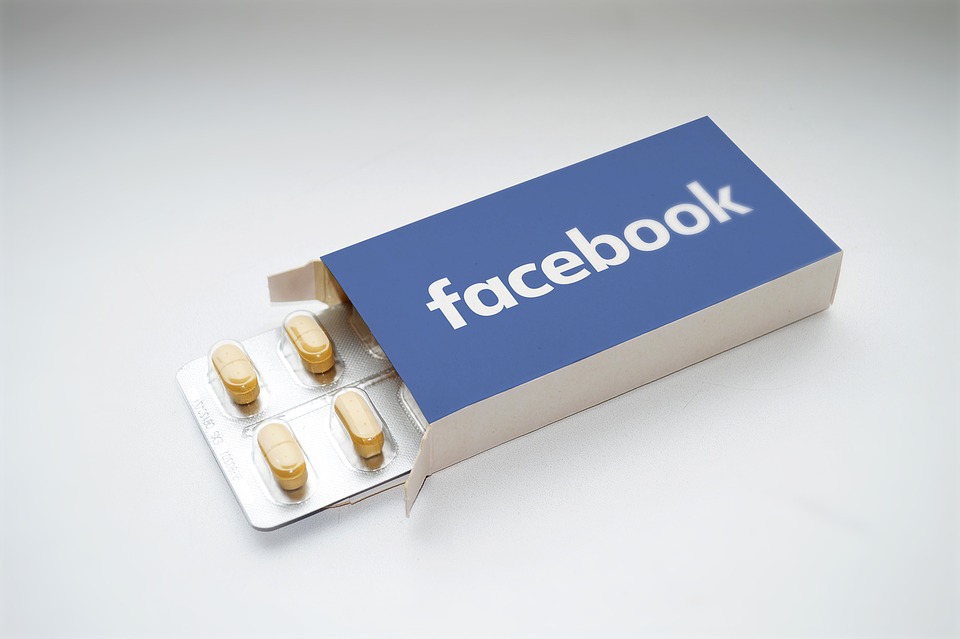
The addictive nature of social media and the internet in general has been well-documented for years. However, recent statements from Silicon Valley insiders revealed that this was an intended effect. Allegedly, tech giants like Facebook and Twitter are deliberately turning users into addicts. The effects were even likened to that of the illegal recreational drug cocaine.
Speaking to the BBC, people who have actually worked in Silicon Valley had a lot of things to say about social media. Among them is Aza Raskin, the inventor of the infinite-scroll feature, which is prominent on platforms like Facebook. He basically equated the practice of using social media to taking drugs.
"It's as if they're taking behavioral cocaine and just sprinkling it all over your interface,” Raskin told the publication. “And that's the thing that keeps you like coming back and back and back."
It would seem that tech companies are constantly running tests and refining their interface with one goal in mind: to get users addicted to their platforms. By supposedly tinkering with colors and effects, features such as Facebook’s “Like” button would keep people coming back for more.
Speaking of that feature, its co-inventor, Leah Pearlman, also told the BBC that even she became addicted to it. It basically works by filling people’s need for validation and emotional support. She insists that she never intended for this to be the case.
As Business Insider reports, these are just the latest on a growing list of former employees to come forward and criticize major tech companies over questionable practices. Among the most notable is Facebook’s former president, Sean Parker. He said previously that the social network was "exploiting a vulnerability in human psychology," which these new revelations seem to support.
In a statement to Business Insider, a spokesperson for Facebook told the publication that the details shared during the BBC feature were “inaccurate.” The spokesperson said the social media site and its products were only intended to bring people closer together.







