


 TrumpRx Website Launches to Offer Discounted Prescription Drugs for Cash-Paying Americans
  Nvidia, ByteDance, and the U.S.-China AI Chip Standoff Over H200 Exports
  Trump Backs Nexstar–Tegna Merger Amid Shifting U.S. Media Landscape
  Weight-Loss Drug Ads Take Over the Super Bowl as Pharma Embraces Direct-to-Consumer Marketing
  Missouri Judge Dismisses Lawsuit Challenging Starbucks’ Diversity and Inclusion Policies
  OpenAI Expands Enterprise AI Strategy With Major Hiring Push Ahead of New Business Offering
  Anta Sports Expands Global Footprint With Strategic Puma Stake
  Samsung Electronics Shares Jump on HBM4 Mass Production Report
  SpaceX Pushes for Early Stock Index Inclusion Ahead of Potential Record-Breaking IPO
  FDA Targets Hims & Hers Over $49 Weight-Loss Pill, Raising Legal and Safety Concerns
  Toyota’s Surprise CEO Change Signals Strategic Shift Amid Global Auto Turmoil
  SpaceX Pivots Toward Moon City as Musk Reframes Long-Term Space Vision
  Sony Q3 Profit Jumps on Gaming and Image Sensors, Full-Year Outlook Raised
  Indian Refiners Scale Back Russian Oil Imports as U.S.-India Trade Deal Advances
  Amazon Stock Rebounds After Earnings as $200B Capex Plan Sparks AI Spending Debate
  SoftBank Shares Slide After Arm Earnings Miss Fuels Tech Stock Sell-Off
  DBS Expects Slight Dip in 2026 Net Profit After Q4 Earnings Miss on Lower Interest Margins


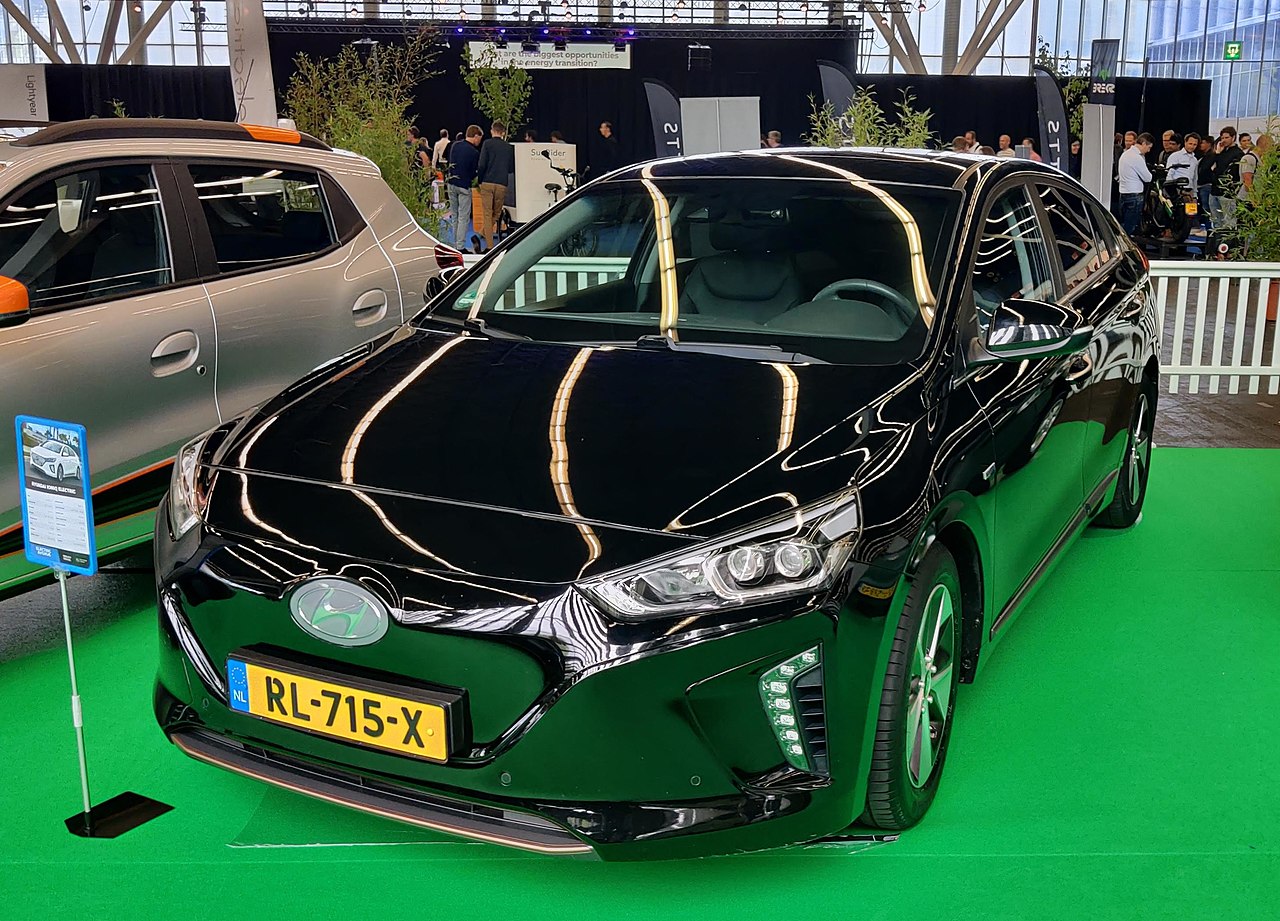
The Indonesian government has unveiled plans to provide tax breaks on fully assembled electric vehicles (EVs) until 2025. These incentives are intended to attract auto manufacturers interested in establishing electric vehicle plants in Indonesia.
Reuters noted that Indonesia holds the title of Southeast Asia's largest auto market.
Enhanced Incentives for EV Investments
Under the new regulations, companies that have invested in EV facilities, intend to expand their EV investments, or are considering investing will be eligible for these benefits. Previously, incentives were only granted for imports of knocked-down vehicles delivered in parts and assembled in the country of sale.
However, with the new decree, built-up automobiles entering the nation will no longer be subject to import customs or the luxury goods sales tax. Additionally, provincial governments will receive incentives on the taxes they collect.
Furthermore, the Indonesian government has extended the deadline for companies to produce at least 40% of the content of EVs in Indonesia from 2023 to 2026. The original target of increasing the local content level to 60% by 2024 has also been pushed to 2027.
Import quotas for EVs will depend on the investment size and development progress of the plant, and approval by the investment ministry is required, as per Car Spirit PK.
According to Rachmat Kaimuddin, a deputy at the Coordinating Ministry of Investment and Maritime Affairs, establishing an EV industry in Indonesia would pave the way for the growth of the battery industry, utilizing the country's rich raw material resources and creating a robust supply chain.
Indonesia aims to produce approximately 600,000 EVs by 2030, a target of more than 100 times the number of EVs sold in the country during the first half of 2023. Some international companies have invested in Indonesia, including Hyundai, China's Neta EV brand, and Mitsubishi Motors.
Furthermore, Indonesia is actively attracting the attention of major players such as Tesla and China's BYD, encouraging them to consider investing in the country.
Creating a Sustainable EV Ecosystem
By incentivizing investment and providing tax breaks, the Indonesian government hopes to establish a thriving industry that will benefit the economy and support the development of a comprehensive supply chain for EVs.
While the Indonesian government's ambitious targets and incentives are promising, challenges lie ahead in achieving them. The development and nurturing of skilled labor, infrastructure, and technology advancements will be crucial in realizing the country's EV production goals.














